Choosing a China best Toilet Paper Reels supplier requires more than comparing factory prices. The supplier must match your converting line, product grade, delivery schedule, and quality expectations. Smithers’ 2024 tissue industry analysis identifies urbanization, hygiene awareness, and premium product demand as major market drivers. These trends raise pressure on reel consistency, softness, absorbency, and packaging performance.
Euromonitor International’s tissue and hygiene research also highlights China’s expanding quality differentiation and e-commerce influence. A supplier’s online presentation is useful, but it is not proof. Ask for recent test reports covering basis weight, moisture, tensile strength, ply bonding, core diameter, and reel width. Request a sample reel, then run it through your actual rewinder. Watch the splice, edge alignment, dust level, and roll stability. Small details matter.
Certification deserves careful checking. Verify ISO 9001 records, FSC or PEFC claims, laboratory results, and batch traceability with the issuing organizations. China Customs trade data, supplier references, and factory audit findings can add practical evidence. A reliable manufacturer should explain pulp origin, production capacity, lead times, rejected-batch procedures, and corrective actions without vague promises.
A low price can look persuasive. It can also hide unstable fiber quality or weak after-sales support. No checklist is perfect. Buyers should compare total operating cost, not only the quotation. The strongest Toilet Paper Reels supplier combines measurable quality, transparent communication, flexible customization, and experience with your target market. A short video call cannot replace a production trial. That is where assumptions become visible.
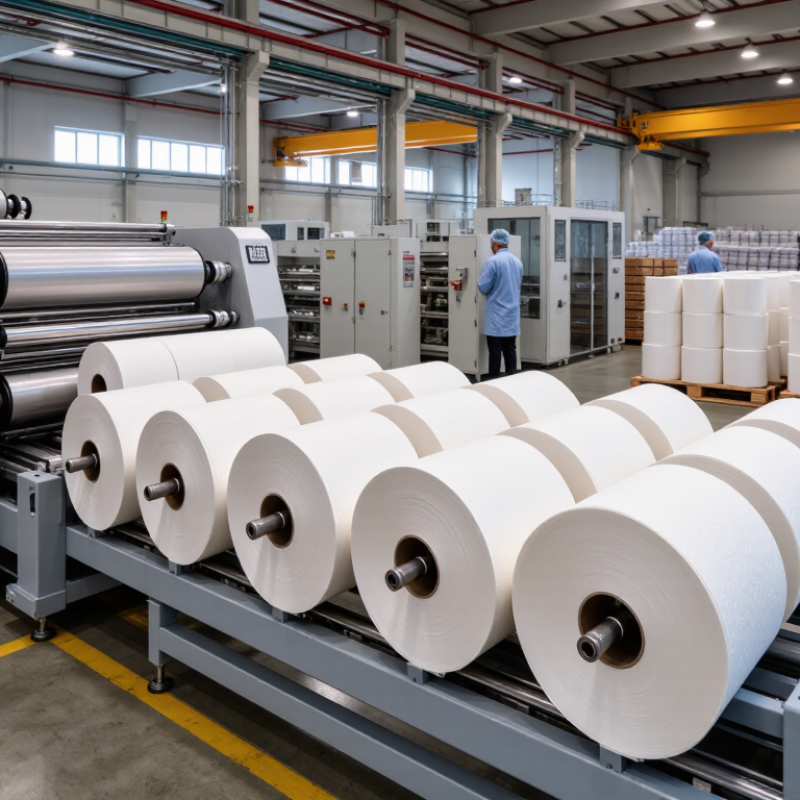
A toilet paper reels supplier produces or sources large parent rolls for tissue converters.
These reels are later processed into toilet rolls, kitchen towels, or commercial tissue products. A reliable supplier understands paper grades, reel dimensions, moisture levels, and winding quality. The supplier should provide clear technical data before discussing price.
In practical purchasing, buyers usually check basis weight, ply structure, width, diameter, and core size. These details affect machine performance and finished tissue softness. A professional supplier should explain how each specification matches your converting equipment. Samples are useful, but one successful sample cannot prove consistent production. Ask for batch records, inspection procedures, and realistic delivery schedules.
Experience also matters during loading and transport. Poor wrapping can expose reels to moisture, dust, or edge damage. The supplier should use stable packaging and confirm storage conditions. Communication is another important test. Replies should be specific, not simply optimistic. Some suppliers may offer a low quotation while excluding packing, testing, or inland delivery costs. That mistake can become expensive. I would compare several quotations using the same specifications, then inspect a trial order carefully. Even experienced buyers can overlook small differences in reel tension. Those differences may later cause wrinkles, breaks, or machine stoppages.
When choosing a toilet paper reels supplier, compare product specifications before discussing price. Reel width and maximum diameter must match your converting machine. A difference of only a few millimeters can cause feeding problems. Check the core diameter carefully, especially if your equipment uses fixed mandrels.
Ply count is important, but it does not show the whole product quality. Compare GSM, sheet length, tensile strength, softness, and absorbency together.
Recycled and virgin fibers may perform differently during unwinding. Ask for production samples from actual batches, not only showroom samples. Test the reels at normal machine speed.
Watch for dust, edge damage, uneven winding, and frequent web breaks. Small details matter.
Perforation spacing should suit your target roll size and packaging format. Embossing depth also affects appearance, softness, and paper consumption.
Request clear tolerances for width, diameter, moisture, and core strength. Reliable suppliers should provide inspection records, material details, and shipment protection methods.
Confirm the minimum order quantity and lead time in writing. Samples are useful, but they can hide seasonal variation. That is a real risk.
A supplier may meet the specification once and still deliver inconsistent reels later. Include batch testing and a replacement process in the purchase agreement.
Check the packaging corners, too. Damaged reels create waste before production even begins.
A supplier’s factory tells more than its catalogue. During an evaluation, inspect pulping, papermaking, rewinding, embossing, and packing areas. China Paper Association’s 2023 Annual Report recorded 129.65 million tonnes of national paper and paperboard output. This figure shows strong industrial depth, but it does not prove every tissue supplier is capable. Ask for machine specifications, monthly output, line utilization, and recent production records. A clean showroom can still hide weak controls.
Check whether the factory tests basis weight, tensile strength, softness, absorbency, moisture, and dust. ISO 12625 tissue standards provide useful testing references. Request laboratory reports linked to batch numbers, not general certificates. Review raw-material receiving records and finished-roll inspection sheets. Reliable suppliers should explain how they prevent core damage, uneven winding, and loose edges. They should also show maintenance logs and calibration dates. These details are boring, but important. I would still verify them through an independent factory audit.
Tips: Compare three months of actual output with promised capacity. Confirm whether production is owned or outsourced. Watch one complete reel changeover. Ask operators how rejected rolls are recorded. A supplier that answers vaguely may still produce acceptable goods, but consistency becomes uncertain. ISO 9001 certification can support confidence, yet certification alone cannot replace process observation. Request retained samples from different production dates and test them independently before approving regular orders.
When choosing a China toilet paper reels supplier, inspect measurable quality, not polished samples. Request test records for basis weight, moisture, tensile strength, softness, absorbency, and reel diameter. ISO 12625 provides recognized test methods for tissue products. Ask whether the laboratory follows these methods.
Check production controls before negotiating price. ISO 9001 certification can support traceability, but it does not prove every reel is consistent. Review batch codes, inspection frequency, core size, winding tension, and packaging protection. A reel arriving with crushed edges is already a costly warning. Small details matter.
Sourcing claims also need evidence. The Forest Stewardship Council reported over 160 million hectares of certified forest worldwide in its 2023 facts and figures. Request a valid chain-of-custody certificate, not only a printed logo. For recycled fiber, ask for recovered-material percentages and contaminant controls. Export documents should match the destination market’s chemical, packaging, labeling, and waste requirements. Standards such as ISO 12625, ISO 9001, and applicable regional chemical rules create a useful baseline, but they are not a complete compliance review. I would also compare three production batches, because one excellent sample can hide unstable performance. No supplier is perfect.
Suggested procurement review weighting for quality, certification, and compliance checks. Confirm applicable legal requirements and verify all certificates with the issuing organization before approval.
Key checks: Request test evidence aligned with applicable tissue-product methods, such as ISO 12625; verify an active ISO 9001 quality management certificate; review FSC or PEFC chain-of-custody documentation when certified fibre sourcing is required; assess ISO 14001 environmental controls; obtain material and chemical compliance declarations; and confirm factory audit, batch identification, and traceability procedures.
China Best Toilet Paper Reels Supplier How to Choose?
Comparing prices requires more than checking the quoted amount. Ask whether the price covers paper grade, reel weight, packaging, and loading costs. Compare equal specifications, not different products. A supplier should explain minimum order quantities, payment terms, and possible material changes. Request samples and recent test reports. These details show technical knowledge and improve purchasing confidence.
Tips: Build a simple comparison sheet. Record price per ton, production capacity, quality controls, response time, and complaint handling. Check whether the supplier can provide traceable batch information. Also confirm factory audit records or independent inspection options. A low price can hide weak packaging or inconsistent moisture levels. That mistake becomes expensive.
Delivery terms need careful attention. Confirm the production schedule, port, shipping method, and estimated transit time. Clarify whether the quotation is EXW, FOB, CIF, or another agreed term. Ask what happens when production is delayed. Reliable suppliers provide written timelines and update buyers before problems grow. Service quality matters after payment, too. Fast replies are helpful, but clear records matter more. One overlooked detail can disrupt an entire shipment. Even experienced buyers sometimes compare prices too quickly. Rechecking the assumptions is worthwhile.
| Supplier Profile | Product Grade | Basis Weight | Reel Width | Indicative Price USD/Metric Ton |
Minimum Order | Sample Policy | Standard Production Time | Typical Export Lead Time | Payment Terms | Common Trade Terms | Packaging Configuration | Quality Documentation | After-Sales Response | Evaluation Score |
|---|---|---|---|---|---|---|---|---|---|---|---|---|---|---|
| Profile A | Virgin pulp, 2-ply converting grade | 15–18 g/m² | 2,750–2,850 mm | $760–$835 | 1 × 40-foot container | Paid sample; freight collected | 18–25 days | 25–40 days by sea | 30% deposit, 70% before shipment | FOB, CFR, CIF | Moisture-resistant paper wrapping; palletized | Basis-weight report, moisture report, visual inspection record | Reply within 1 business day | 4.5/5 |
| Profile B | Recycled pulp, standard converting grade | 16–20 g/m² | 2,700–2,850 mm | $610–$700 | 1 × 20-foot container | Sample available; freight paid by buyer | 20–30 days | 28–45 days by sea | 30% deposit, balance against shipping documents | FOB, CFR | Polyethylene inner protection with kraft-paper outer wrap | Recycled-fiber declaration, moisture report, loading photos | Reply within 1–2 business days | 4.1/5 |
| Profile C | Virgin pulp, premium softness grade | 14–17 g/m² | 2,800–2,900 mm | $820–$930 | 2 × 40-foot containers | One standard sample free; freight paid by buyer | 25–35 days | 30–45 days by sea | 20% deposit, 80% before shipment | FOB, CIF | Individual reel wrapping; reinforced export pallets | Technical data sheet, third-party inspection option, batch traceability | Reply within 1 business day | 4.6/5 |
| Profile D | Mixed pulp, economy converting grade | 17–22 g/m² | 2,600–2,800 mm | $560–$650 | 1 × 20-foot container | Sample charged and refundable after order | 15–22 days | 25–40 days by sea | 30% deposit, 70% before loading | FOB, CFR | Standard kraft-paper wrap; non-palletized option available | Internal quality report and packing list | Reply within 2 business days | 3.9/5 |
| Profile E | Virgin pulp, high-bulk converting grade | 16–19 g/m² | 2,750–2,900 mm | $780–$875 | 1 × 40-foot container | Sample available; freight paid by buyer | 20–28 days | 27–42 days by sea | 30% deposit, 70% against copy of bill of lading | FOB, CFR, CIF | Water-resistant wrapping; edge protection and pallets | Basis-weight report, brightness report, carton or reel count record | Reply within 1 business day | 4.4/5 |
| Profile F | Recycled pulp, eco-focused converting grade | 15–19 g/m² | 2,700–2,850 mm | $650–$745 | 1 × 40-foot container | Sample available; freight paid by buyer | 22–30 days | 30–45 days by sea | 30% deposit, 70% before shipment | FOB, CIF | Recyclable paper wrapping; palletized export packing | Recycled-content declaration, moisture report, inspection checklist | Reply within 1–2 business days | 4.2/5 |
| Price ranges are indicative bulk-export benchmarks for unprinted toilet paper parent reels and may vary according to pulp prices, basis weight, reel diameter, order volume, packaging requirements, port charges, inspection costs, exchange rates, and destination. Confirm the final quotation, production schedule, Incoterm, and shipping costs in a written pro forma invoice before placing an order. | ||||||||||||||
Check pulping, papermaking, rewinding, embossing, and packing areas. A clean showroom proves little. Watch one complete reel changeover.
Request machine specifications, monthly output, line utilization, and recent production records. Compare three months of actual output with promised capacity. Numbers can still be incomplete.
Ask for basis weight, moisture, tensile strength, softness, absorbency, dust, and reel diameter results. Reports should connect to specific batch numbers.
Batch codes link raw materials, inspections, and finished reels. They help identify uneven winding, loose edges, or crushed cores. General certificates are not enough.
Review winding tension, core size, inspection frequency, maintenance logs, and calibration dates. Ask operators how rejected rolls are recorded. Small details matter.
No. A quality management certificate can support traceability, but it cannot prove every reel is consistent. Process observation remains necessary.
Request valid sourcing documents and recovered-material percentages. Check contaminant controls and material records. A printed logo is weak evidence.
Inspect equipment, records, laboratory practices, packaging protection, and production ownership. Confirm whether manufacturing is outsourced. No checklist catches everything.
Choosing the right China Best Toilet Paper Reels Supplier requires more than comparing quotations. A reliable supplier should offer suitable reel products for your converting equipment, including the correct paper grade, basis weight, roll width, diameter, core size, moisture level, and packaging method. Buyers should also evaluate production capacity, raw material stability, equipment condition, lead times, customization ability, and quality control procedures to ensure consistent supply.
Before placing an order, request product samples, technical documents, inspection records, and relevant certifications. Confirm that the supplier follows applicable quality, environmental, packaging, and trade compliance requirements. Price should be assessed together with payment terms, minimum order quantity, shipping arrangements, after-sales support, and delivery reliability. A capable Toilet Paper Reels supplier should communicate clearly, provide transparent specifications, support pre-shipment inspection, and offer practical solutions for long-term cooperation.

BAODA PAPER