When it comes to selecting the right toilet tissue for your business, understanding industry standards is crucial. According to a report by the American Cleaning Institute, businesses spend an average of $15,000 annually on toilet tissue products alone. This highlights the significant impact of such a choice on operational costs.
Industry expert Dr. Emily Roth, known for her extensive research on sanitary products, emphasizes, "Quality toilet tissue is not just a comfort, it’s essential for customer satisfaction and health." Choosing the proper toilet tissue affects not only employee happiness but also client perceptions.
In this competitive landscape, many companies still underestimate the importance of toilet tissue quality. Factors such as softness, durability, and eco-friendliness matter. Evaluating these elements can seem overwhelming, yet it is necessary. Poor quality tissue can lead to increased complaints and reduced satisfaction. The balance of cost versus quality often leads to reflection and deeper analysis.
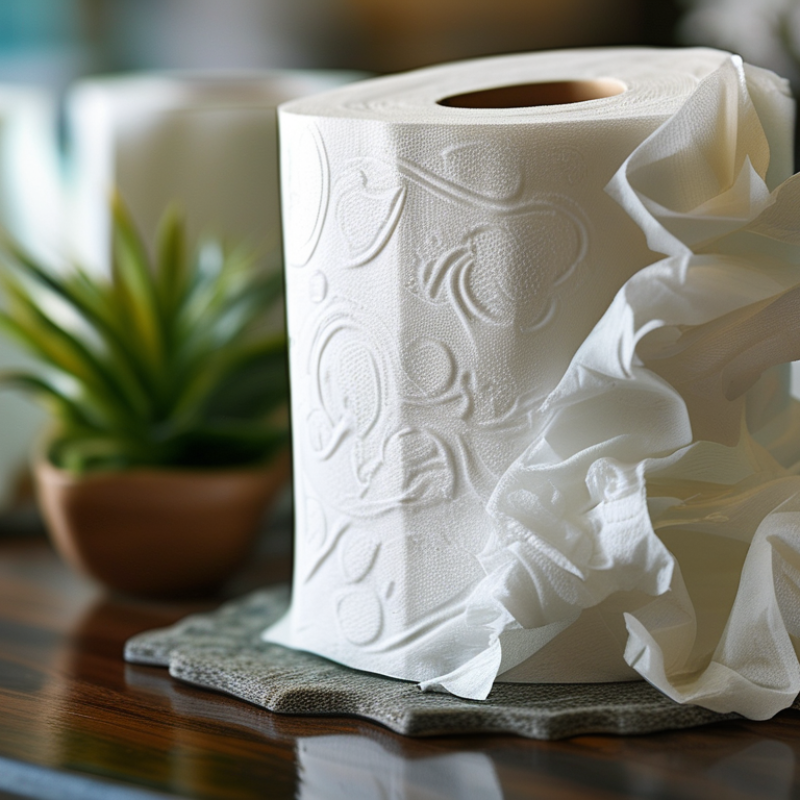
Understanding the Different Types of Toilet Tissue Available
Choosing the right toilet tissue for your business involves understanding the variety available. The main types include standard, soft, and recycled paper. Each type offers different benefits and drawbacks. Standard rolls are often the most cost-effective option. However, they may not provide the comfort some customers expect. Soft tissue generally feels better and offers a luxury experience, but it can be pricier.
Recycled tissue is an eco-friendly choice. It appeals to businesses focusing on sustainability. Yet, it might lack the softness found in other options. Your choice will depend on the needs of your facility. Consider factors such as customer preferences, maintenance costs, and environmental impact.
Reflect on the experiences of your visitors. Are they satisfied with the toilet tissue provided? Gathering feedback can guide your decision-making. It’s crucial to balance quality and cost to ensure a pleasant experience. Ultimately, the right toilet tissue enhances customer satisfaction and reflects your brand’s values.
Evaluating the Quality and Durability of Toilet Tissue
When selecting toilet tissue for your business, quality and durability are key factors. The Tissue Association reports that high-quality tissue can reduce waste by up to 25%. This is significant for businesses aiming to manage costs effectively. Durable toilet tissue minimizes the frequency of restocking, which can enhance operational efficiency.
Evaluating the softness is also important; softer tissue is likely to improve user satisfaction. According to a study by the American Cleaning Institute, over 70% of customers prefer soft tissues. Touch and texture matter in restroom facilities, influencing customer perceptions of cleanliness and care. Yet, companies may overlook these factors, risking negative feedback.
Another aspect is the tissue's environmental impact. Eco-friendly options are gaining traction, with 45% of consumers indicating they would choose sustainable products. However, some businesses hesitate, fearing that eco-friendly options compromise quality. Addressing this concern is critical for modern enterprises.
Balancing quality, user experience, and sustainability often requires thoughtful consideration and sometimes leads to difficult choices.
Assessing Cost-Effectiveness and Budget Considerations
When it comes to selecting toilet tissue for your business, cost-effectiveness is crucial. Many companies prioritize price per roll without considering overall value. Cheaper options may seem appealing but could lead to higher costs down the line. Frequent replacements can burden staff and disrupt operations.
Evaluate the total cost of ownership. This includes not just the purchase price but also maintenance and replacement costs. A higher-quality product might have a steeper price tag initially but can reduce the frequency of purchases. Think about the impact on customer satisfaction, too. Quality tissue enhances their experience and can even reflect positively on your brand.
Be mindful of budget constraints. However, cutting costs in one area can lead to unexpected expenses in another. Regular assessments of your usage and needs can guide better decisions. Don't just settle for a “good enough” option. Prioritize quality and reliability over a low price. This can save money in the long run and help your business thrive.
Considering Environmental Impact and Sustainability Factors
When selecting toilet tissue for your business, the environmental impact cannot be overlooked. In recent years, sustainable practices have become a necessity rather than a trend. According to a 2022 report by the Environmental Paper Network, approximately 27,000 trees are cut down each day to produce toilet paper. Choosing a product that utilizes recycled materials can significantly reduce deforestation and waste. Products with high recycled content can promote a sustainable future while maintaining quality standards.
The lifecycle assessment of toilet paper reveals a striking statistic: 70% of the environmental impact comes from the raw materials used. Businesses must evaluate their toilet tissue options carefully. Products that are certified by reputable organizations, like the Forest Stewardship Council (FSC), ensure responsible forestry practices. However, companies often opt for the lowest-cost options without considering these factors. This short-sightedness can lead to environmental degradation and a tarnished brand image.
Sustainability also includes the manufacturing process. Most conventional toilet papers use bleach and harmful chemicals. On the other hand, eco-friendly alternatives employ safer methods. While these options may have a higher upfront cost, the long-term benefits justify the investment. Cost savings from reduced waste management and better public perception can offset initial expenses. The shift towards environmentally responsible products is not just advantageous; it is imperative for a future-oriented business model.
Best Tips for Choosing Toilet Tissue for Your Business
Choosing the Right Toilet Tissue for Your Target Audience
Choosing the right toilet tissue for your business requires a deep understanding of your target audience. Consider who will be using it. Is your restroom frequented by employees, clients, or customers? Each group has different expectations regarding comfort and quality. A plush, soft tissue might be ideal for an upscale office, while a more economical option might suit a high-traffic public restroom.
Think about the demographics of your audience. Younger users may prefer environmentally friendly options. Older demographics often appreciate thicker, softer paper for comfort. Conducting surveys could provide valuable insights. Reflect on the balance between cost and quality; cutting costs too much may result in dissatisfied users.
Not every choice will be perfect. Some may find the tissue too rough, while others might desire increased absorbency. It's important to evaluate feedback and be ready for adjustments. Regularly review your choice to see if it meets the expectations of your users. This can foster a positive environment, ultimately enhancing your business's reputation.
Best Tips for Choosing Toilet Tissue for Your Business
| Type |
Ply |
Softness |
Absorbency |
Eco-Friendly Options |
Cost per Roll |
| Standard |
2-Ply |
Moderate |
Average |
No |
$0.20 |
| Premium |
3-Ply |
Very Soft |
High |
Yes |
$0.35 |
| Budget |
1-Ply |
Rough |
Low |
No |
$0.10 |
| Luxury |
4-Ply |
Silky Soft |
Excellent |
Yes |
$0.50 |
| Recycled |
2-Ply |
Soft |
Above Average |
Yes |
$0.25 |
FAQS
: The production of toilet paper leads to deforestation. Around 27,000 trees are cut down daily for this purpose.
Approximately 70% of the environmental impact comes from the raw materials used in production.
Using recycled materials helps reduce waste and deforestation. This supports sustainable practices while maintaining quality.
Yes, they may have a higher upfront cost, but benefits like reduced waste and improved public perception can offset this.
Consider conducting surveys to gather feedback on preferences. This helps tailor the product to user expectations.
Businesses must balance cost and quality. Cutting costs excessively can lead to dissatisfaction among users.
Regularly review choices and be willing to adjust based on feedback. This fosters a positive user experience.
Younger demographics often lean towards eco-friendly products. Their preferences can shape purchasing decisions.
Older users often favor thicker and softer paper for comfort, making it essential to address diverse needs.
Yes, focusing only on cost can lead to poor choices. It's crucial to consider quality to enhance overall satisfaction.
Conclusion
When choosing toilet tissue for your business, it is essential to understand the various types available, including single-ply, two-ply, and eco-friendly options. Evaluating the quality and durability of toilet tissue ensures that it meets the needs of your facility while providing a satisfactory experience for users. Cost-effectiveness and budget considerations are also crucial, as businesses must balance quality with affordability.
Moreover, the environmental impact and sustainability of the toilet tissue you select can influence your brand's image and appeal to eco-conscious consumers. Finally, tailoring your choice of toilet tissue to the preferences and expectations of your target audience will enhance overall satisfaction and align with your business values. By considering these factors, you can make an informed decision that not only meets functional needs but also supports your business goals.

 BAODA PAPER