What Is Kitchen Tissue Paper Used For?

Time:2026-11-09 Author:Henry
0%

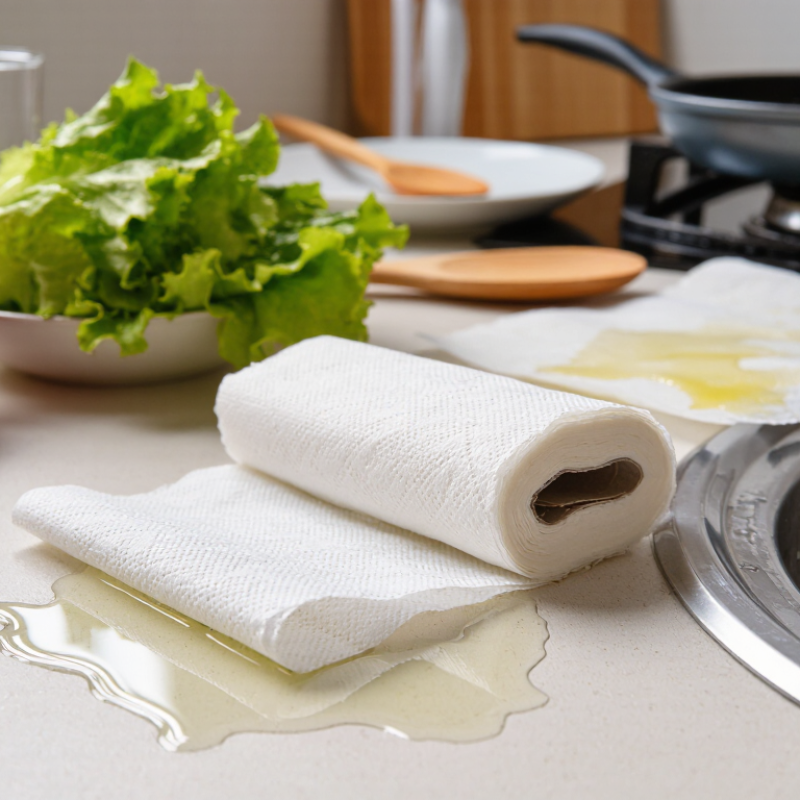
Kitchen Tissue Paper is a familiar part of everyday cooking, but its usefulness goes beyond wiping a wet counter. A sheet can absorb splashes beside the sink, blot moisture from washed produce, or help lift grease from a pan once it has cooled. It is quick to reach for. It is not a substitute for a washable cloth in every task, and using it carelessly can create unnecessary waste.

The right use depends on the sheet’s strength, absorbency, and the mess at hand. A sturdy, textured sheet may handle a small spill without tearing, while a lighter one may suit drying clean hands or lining a plate to catch crumbs. Keep separate sheets for food-contact tasks and cleaning tasks. Replace a sheet when it becomes soaked, dirty, or starts leaving fibers behind. Small details matter.

A practical guide should also explain what Kitchen Tissue Paper cannot do. It does not make unsafe food safe, and it should not be assumed to disinfect a surface. For cleaning, follow the product label and use an appropriate cleaner when needed. I can’t verify a named expert quotation without a source, so I won’t invent one. That caution matters: a confident quote can sound useful, but unsupported claims weaken trust. This overview focuses on clear, everyday uses and sensible limits.
What Is Kitchen Tissue Paper Used For?

What Kitchen Tissue Paper Is and How It Absorbs Liquids

Kitchen tissue paper is a lightweight, disposable paper product made mainly from cellulose fibers. These fibers form a loose, porous web, leaving tiny spaces between them. When a drop lands on the sheet, it spreads through these spaces by capillary action. The fibers also hold moisture on their surfaces. This is why a dry sheet can wick up a splash from a counter or soak oil from cooked food. It feels simple. Embossing and multiple plies can create more small gaps, though thickness alone does not guarantee better absorption.

In the kitchen, people use tissue to blot a wet chopping board, catch drips beneath washed produce, or dab excess grease from fried food. A sheet often absorbs best when pressed gently against liquid instead of rubbed across it. Once saturated, the paper may weaken, leave fibers behind, or spread liquid if dragged. It is not a substitute for washing and sanitizing surfaces, especially after contact with raw meat juices. Performance varies with fiber quality, sheet construction, and the amount of liquid. I would not assume every sheet behaves the same; a quick water test can help show whether it suits a particular task.

Everyday Uses for Cleaning and Wiping in the Kitchen

What Is Kitchen Tissue Paper Used For?

Kitchen tissue paper is useful for small, everyday cleaning jobs. It can catch a splash of coffee, dry freshly washed hands, or wipe crumbs from a counter. For a spill, press the paper onto the liquid rather than rubbing it outward. That usually keeps the mess in a smaller area. It also works for blotting washed vegetables before chopping, though a clean kitchen towel may be less wasteful for larger batches. Small messes happen.

Use a fresh sheet to wipe food-preparation surfaces, and follow with an appropriate cleaner when the surface needs sanitizing. If paper picks up raw meat juices, discard it and clean the area carefully; do not reuse that sheet on dishes or ready-to-eat food. Kitchen tissue can also absorb excess oil from fried food or help lift grease before washing a pan. It is quick. But it is not magic: it may tear when wet, and it should stay away from hot burners and open flames. I sometimes use more sheets than a task really needs, so choosing a cloth for routine wiping can reduce waste.

Food Preparation and Serving Uses

Kitchen tissue paper helps keep food preparation controlled and serving surfaces dry. Use a fresh sheet to blot washed vegetables, absorb excess oil from cooked food, or catch drips beneath a cutting board. It can also cover food briefly in a microwave, but only when the product is labeled microwave-safe. Small details matter. Replace the sheet when it becomes wet, greasy, or contaminated; reusing it can spread residue rather than remove it.

For hand hygiene, disposable towels offer a practical drying option near preparation areas. The FDA Food Code 2022 requires handwashing sinks to provide an approved hand-drying method, including individual disposable towels. The CDC estimates that about 48 million people in the United States get foodborne illnesses each year, underscoring why clean hands and surfaces matter. Paper alone cannot make food safe. Keep it away from raw-meat juices, and never use a towel that has touched a raw-food surface to wipe serving plates. I still find this easy to overlook during a busy meal.

At the table, tissue paper can line baskets, absorb condensation under chilled dishes, or help diners handle greasy snacks. Choose food-contact paper for direct contact with food, and follow its packaging directions. A decorative napkin is not automatically suitable for cooking or reheating. Use only what the task needs. Sources: FDA Food Code 2022, section 6-301.12; CDC, “Estimates of Foodborne Illness in the United States.”

Choosing the Right Type for Different Kitchen Tasks

What Is Kitchen Tissue Paper Used For?

Choosing the Right Type for Different Kitchen Tasks

For a puddle beside the sink, choose thick, embossed kitchen tissue with enough strength to lift water without breaking apart. A lighter sheet suits drying clean hands or catching crumbs. For draining fried food, use tissue specifically labeled for food contact; ordinary cleaning rolls are not automatically intended for direct contact with meals. Small detail, big difference.

Match the sheet to the surface, too. A low-lint option is useful on glass or stainless steel, where fibers can show under bright light. For greasy pans, a more absorbent, durable sheet may need fewer passes. I still sometimes grab the wrong type. It is easy to confuse softness with strength, though they are not the same.

Waste is another reason to choose carefully. The U.S. EPA’s Facts and Figures about Materials, Waste and Recycling reported that paper and paperboard made up 23.1% of U.S. municipal solid waste generation in 2018. That figure covers many paper products, not kitchen tissue alone, but it puts everyday use in perspective. Use one sheet for a small drip; reserve a thicker sheet for larger spills. Keep food-preparation tissue separate from sheets used on counters or appliances. A simple habit helps.

What Is Kitchen Tissue Paper Used For? — Choosing the Right Type for Different Kitchen Tasks

Kitchen Task Recommended Paper Type How to Use It Important Considerations
Wiping countertops and everyday spills Absorbent kitchen paper towel Use a clean sheet to blot or wipe small spills, then discard it. For raw meat or poultry juices, use disposable towels and clean and sanitize the surface afterward.
Blotting excess oil from fried food Plain, absorbent paper towel Place food briefly on a towel-lined plate or rack to absorb surface oil. Keep paper away from open flames, hot burners, and direct contact with heating elements.
Drying washed produce and herbs Soft, absorbent paper towel Gently pat produce dry or wrap leafy herbs loosely before refrigeration. Use a fresh towel and avoid rubbing delicate leaves or berries.
Covering food in a microwave Plain paper towel labeled microwave-safe Loosely cover food to help limit splatters while allowing steam to escape. Follow the product instructions; do not use recycled or printed paper unless it is specifically labeled for microwave use.
Line baking trays or cake pans Baking parchment paper Cut parchment to fit the pan to help prevent sticking and ease cleanup. Use only within the temperature limit printed on the package; keep it away from heating elements and flames.
Wrapping sandwiches or lining a serving basket Food-grade greaseproof paper Use it as a food-contact wrap or liner for dry, ready-to-eat foods. Greaseproof paper is not automatically oven-safe; check the package before heating.
Draining or straining food Paper towel for blotting; a food-safe filter for fine straining Blot cooked food with paper towel, or choose a suitable filter when a finer separation is needed. Paper towels can tear when wet and are not a substitute for a reusable strainer or a filter designed for the task.
Cleaning glass, stainless steel, or small kitchen appliances Low-lint paper towel Dampen lightly with an appropriate cleaner and wipe the surface. Unplug appliances before cleaning, and avoid excess moisture around electrical parts.

Quick guide: Choose absorbent paper towels for wiping and blotting, parchment for baking, and food-grade greaseproof paper for suitable food wrapping. Always check the package directions for food-contact, microwave, and oven use.

Safe Disposal and Environmental Considerations

What Is Kitchen Tissue Paper Used For?

Safe Disposal and Environmental Considerations

Used kitchen tissue belongs in the trash when it carries grease, food residue, or cleaning products. These contaminants can interfere with paper recycling. Even a small oily spot may make a sheet unsuitable for the recycling bin. Keep it out of toilets and sinks; it can contribute to clogs.

Some plain, uncoated tissue may be compostable, but acceptance depends on your local collection program. Check its guidance before adding used sheets. Tissue with food scraps may suit a managed compost system, while paper exposed to strong cleaners should go in the trash. Not every backyard pile gets hot enough to break down materials reliably. It is easy to assume “paper” means “recyclable,” but that shortcut can create sorting problems.

A practical habit is to separate clean packaging from used sheets near the counter. Let wet tissue drain briefly, then place it in a lined kitchen bin. Small steps help. Choosing only the amount needed also reduces waste, though busy cooking makes that harder than it sounds. When disposal rules are unclear, the local waste service is a more reliable guide than a general symbol on packaging.

What this means for kitchen tissue: The figures are U.S. 2018 EPA benchmarks for broader waste categories, not kitchen tissue specifically. Used kitchen tissue with food, grease, or cleaning chemicals is generally unsuitable for paper recycling. Put it in the trash unless your local composting program explicitly accepts it; check local disposal guidance.

Source: U.S. Environmental Protection Agency, 2018 recycling and composting data.

FAQS

What is kitchen tissue paper?

It is lightweight paper made mainly from cellulose fibers. Tiny spaces help it absorb liquid.

How does it soak up a spill?

Liquid travels through small gaps by capillary action. The fibers also hold moisture on their surfaces.

What kitchen tasks can it handle?

Use a fresh sheet to blot vegetables, catch drips beneath a cutting board, or dab grease from cooked food.

Should I press or rub it on a spill?

Press gently. Rubbing may spread liquid or weaken the sheet.

Can I reuse a wet or greasy sheet?

Better not. It may spread residue or leave fibers behind.

Does tissue paper replace cleaning a surface?

No. It does not replace washing and sanitizing, especially after contact with raw-meat juices.

Can I cover food with it in a microwave?

Only if the packaging says it is microwave-safe. A decorative napkin may not be suitable.

How can I tell whether a sheet suits a task?

Try a small water test; fiber quality and construction affect absorption. I sometimes assume thicker means better, but that is not always true.

Conclusion

Kitchen Tissue Paper is a lightweight, absorbent paper designed to soak up spills and moisture around the kitchen. Its layered, porous structure helps it take in liquids quickly, making it useful for everyday cleaning tasks such as wiping counters, drying hands, cleaning small spills, and removing grease from cookware or surfaces. It can also help keep the kitchen tidy during meal preparation.

Kitchen Tissue Paper has practical uses with food, including blotting washed produce, absorbing excess oil from cooked foods, and serving as a convenient liner for trays or plates. Different tasks may call for different levels of thickness, absorbency, and strength, so choosing a suitable type can make kitchen work easier. After use, dispose of the paper responsibly according to local waste-sorting guidance. Using only what is needed and choosing products made with recycled or responsibly sourced materials can help reduce waste.

Henry

Henry

Henry is a dedicated marketing professional with a profound expertise in the company's offerings. With years of experience in the industry, he possesses an impressive understanding of the market dynamics and consumer behaviors that drive success. Henry is committed to sharing his insights through......