10 Kitchen Paper Roll Buying Tips for Global Buyers?

Time:2026-09-09 Author:Sophia
0%

Global buyers rarely purchase a simple household item. A Kitchen Paper Roll must balance absorbency, strength, softness, roll length, packaging, and landed cost. A roll that feels thick may contain less usable paper. A bright white sheet may also reflect different fiber choices and production methods. These details matter when products cross borders.

This guide presents ten practical buying tips based on common sourcing and quality-control practices. It explains how to compare basis weight, ply structure, sheet size, core diameter, perforation, moisture performance, and carton protection. Buyers should request samples, technical data, factory images, and recent inspection records before approving an order. Independent testing can help verify absorbency, tensile strength, odor, and packaging durability. Requirements vary by market, retailer, and intended use, so one specification cannot serve every country.

Small checks prevent expensive surprises. Ask how measurements are taken. Confirm whether quoted prices include export packaging, documentation, and delivery terms. A supplier may offer an attractive unit price but use weak cartons that arrive crushed. That risk is easy to overlook. Even experienced buyers can miss seasonal pulp-price changes, port delays, or unclear private-label artwork. This guide does not promise a perfect purchase. It offers a clearer process, while leaving room for questions, testing, and honest review.
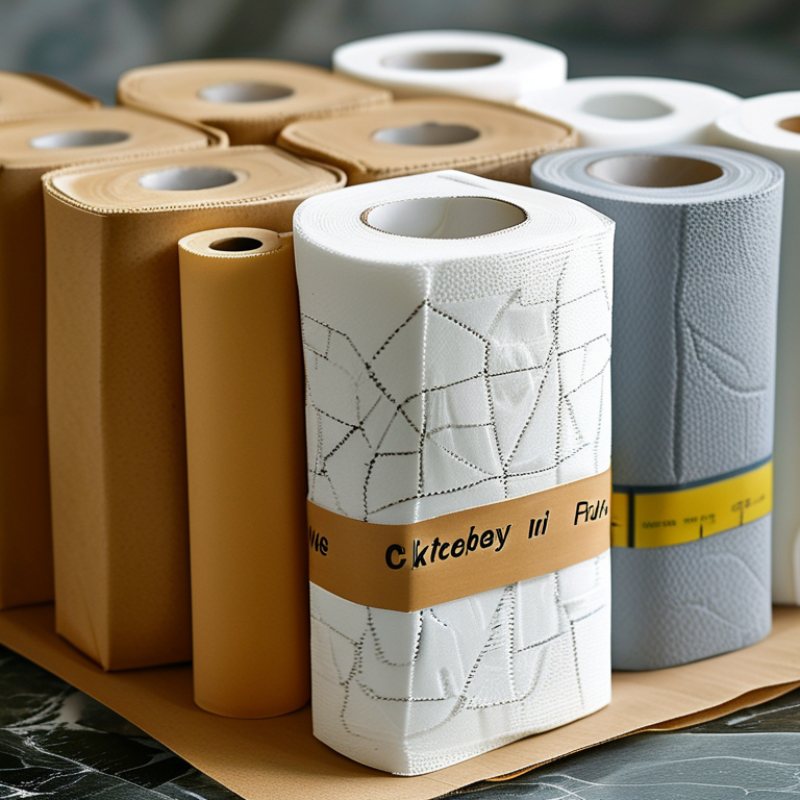
10 Kitchen Paper Roll Buying Tips for Global Buyers?

Define Your Kitchen Paper Roll Requirements and Target Market

Before buying kitchen paper rolls, define the exact use case and target market. A household buyer may prefer soft, absorbent sheets, while restaurants often need stronger rolls for fast cleaning. Record the required sheet size, roll length, ply, GSM, embossing, core diameter, and packaging format. Small details matter. A dispenser may reject a roll with an oversized core.

Tip: Test the roll with water, oil, and light pressure. Check whether it tears cleanly, leaves lint, or becomes weak when wet. Practical testing reveals more than a product photo.

Your target market also influences packaging, language, carton quantity, and delivery expectations. Retail packs may need attractive designs and clear usage information. Commercial buyers may prioritize bulk cartons, stable specifications, and easy pallet handling. Confirm local product, labeling, recycling, and import requirements before placing a large order. Rules vary between markets, so written verification is safer than assumptions.

Tip: Request samples from each proposed specification. Compare absorption speed, softness, sheet consistency, odor, and packaging strength. Keep test notes for later purchasing decisions. I once focused too heavily on price and overlooked uneven perforation, which slowed daily work. That mistake changed how I evaluate paper rolls. A lower unit cost can become expensive when sheets waste easily or dispensers jam. Ask suppliers for production tolerances and quality-control records, not only sample photographs. Reliable documentation supports better decisions.

Kitchen Paper Roll Requirement Planning: Length Options for Global Buyers

This chart converts common metric roll-length checkpoints into feet using the exact conversion of 1 metre = 3.28084 feet. Use the preferred length as a starting requirement, then confirm sheet size, ply, absorbency, packaging format, shipping limits, and the measurement system used in the target market.

Compare Paper Quality, Absorbency, Ply, Size, and Packaging

When buying kitchen paper rolls internationally, paper quality should be checked beyond softness. A clean, even surface usually indicates controlled production. Look for strong fibers, limited lint, and consistent thickness across the roll. I recommend requesting batch samples before approving a large shipment. Pictures can hide weak sheets.

Absorbency matters more than impressive softness. Place a measured amount of water on several sheets, then compare spreading and holding time. Two-ply paper often balances strength and comfort, while one-ply may suit lighter household tasks. Three-ply can feel better, but it may increase cost and shipping volume. Check sheet length, width, roll diameter, and core size carefully. Small differences can cause dispenser problems. I once focused too heavily on ply and overlooked the oversized core. That mistake reduced usable stock.

Packaging also needs practical inspection. Cartons should resist crushing, especially during humid sea transport. Individual wrapping can protect rolls from dust and moisture, but excessive packaging creates waste. Ask for carton dimensions, roll counts, pallet details, and clear production dates. Verify the printed information against shipping documents. Supplier certificates help, but independent testing offers stronger confidence. Still, testing one sample cannot represent every batch. Keep that limitation visible when setting quality requirements. A reliable purchasing decision combines test results, supplier records, packaging checks, and repeated sample reviews.

Evaluate Suppliers, Manufacturing Capacity, and Product Consistency

Tip 1: Check the supplier’s real manufacturing capacity. Ask for monthly output, machine numbers, shift patterns, and recent production records. A polished factory tour proves little without evidence. Review warehouse space, raw material storage, and loading procedures. These details reveal whether the supplier can handle your peak season orders.

Tip 2: Test product consistency, not just the first sample. Request samples from different production dates and compare sheet count, roll diameter, embossing, softness, absorbency, and core size. Measure them with simple tools. A kitchen roll may look identical but perform differently in use. Keep written test results for future shipments. Small variations can become expensive complaints.

Tip 3: Evaluate process control and communication. Reliable suppliers should explain inspection points, moisture control, packaging checks, and corrective actions. Ask how they handle rejected rolls. Their answer matters. Also confirm whether production can follow your packing specifications and export schedule. Vague promises deserve caution.

One practical lesson is easy to miss: supplier capacity changes. Machines may be added, workers replaced, or pulp quality adjusted. Request updated data before each major contract. I would also include a pre-shipment inspection, although inspections cannot catch every weakness. Keep a retained sample from each shipment. It supports fair comparisons when quality disputes appear later.

Verify Certifications, Safety Standards, and Export Compliance

When buying kitchen paper rolls internationally, certification checks should come before price comparisons. Confirm the manufacturer’s legal name, certificate number, scope, and validity date. The certificate must cover the actual product, not only the factory’s general operations. A food-contact declaration is important when the paper may touch bread, fruit, or cooked food. Check whether testing covers inks, adhesives, dyes, recycled fibers, and chemical residues.

Tips: Request recent laboratory reports and export documents before approving samples. Compare the product description, roll dimensions, batch number, and factory address across every document. Ask whether the paper meets the destination market’s packaging and food-safety rules. Requirements can differ between regions, even for similar products. Do not rely on a logo alone. Contact the issuing body when authenticity seems unclear.

Inspect the physical sample as well. Look for a clean surface, stable embossing, weak odor, and controlled lint during wiping. Measure sheet size and roll length with simple tools, then record the results. Packaging should show readable material information, origin details, and safe handling instructions where required. I once treated a valid certificate as complete proof, but it did not cover the final printed packaging. That mistake was avoidable. Documents can be correct and still incomplete. Recheck them before shipment, especially after any change in fibers, suppliers, printing, or production location.

Review Pricing, Shipping Terms, Lead Times, and Quality Inspection

10 Kitchen Paper Roll Buying Tips for Global Buyers

Price comparisons should include basis weight, roll length, sheet count, core size, packaging, and delivered cost. I once compared only the carton price. That shortcut was wrong. CEPI’s 2023 preliminary statistics reported European paper and board production at about 79.5 million tonnes, down 13.5%. Such changes can affect pulp-linked quotations. Ask whether prices remain fixed, or adjust with pulp, energy, and exchange rates.

Shipping terms can change the real purchase price. Under FOB, the buyer usually manages the main ocean freight. Under CIF, confirm destination charges and insurance details. UNCTAD’s Review of Maritime Transport 2023 states that ships carry over 80% of global merchandise trade by volume. Delays remain possible. Request the sailing schedule, port pair, booking deadline, and demurrage responsibility in writing. Do not guess.

Lead time should separate production, inspection, packing, and transit. A supplier promising ten days may exclude vessel waiting time. Request a milestone sheet with dates and responsible parties. Quality inspection should cover basis weight, moisture, tensile strength, absorbency, perforation, roll diameter, and carton condition. ISO 12625 provides recognized test methods for tissue products, including tensile and absorbency measurements. Use pre-shipment sampling and an agreed AQL plan. Photos help, but they cannot replace physical tests. My own review process still misses small packaging defects sometimes, so independent inspection is worth considering.

FAQS

: What details should I define before buying kitchen paper rolls?

: Record sheet size, roll length, ply, GSM, embossing, core diameter, and packaging format. Small details matter. An oversized core may not fit a dispenser.

How can I test kitchen paper roll performance?

Use water, oil, and light pressure on several sheets. Check absorption speed, clean tearing, lint, and wet strength. Photographs are not enough. Keep simple test notes.

Which paper features matter most for household and commercial use?

Households may prefer soft, absorbent sheets. Commercial kitchens often need stronger rolls for rapid cleaning. Two-ply can balance comfort and strength. One-ply may suit lighter tasks.

How should I compare absorbency between samples?

Place the same amount of water on each sample. Compare spreading, holding time, and sheet strength afterward. Repeat the test across several rolls. One sheet proves little.

What measurements can cause dispenser problems?

Check sheet width, sheet length, roll diameter, and core size. Even small differences can cause jams or wasted stock. Measure samples directly. Do not rely only on listed dimensions.

How can I inspect packaging before placing an order?

Check whether cartons resist crushing and humidity during transport. Confirm roll counts, carton dimensions, pallet details, and production dates. Individual wrapping protects against dust and moisture. Too much packaging creates avoidable waste.

How do I evaluate a supplier’s production capacity?

Ask about monthly output, machine numbers, shifts, warehouse space, and recent production records. Review raw material storage and loading procedures. A polished factory tour proves little. Capacity can change.

How can I check product consistency between shipments?

Request samples from different production dates. Compare sheet count, diameter, embossing, softness, absorbency, and core size. Ask for quality-control records and production tolerances. Keep a retained sample from each shipment.

Should I use pre-shipment inspection and written requirements?

Written specifications reduce confusion about packaging, quality, and delivery expectations. A pre-shipment inspection can identify visible problems before dispatch. It cannot catch every weakness. That limitation matters.

Conclusion

Buying the right Kitchen Paper Roll for international distribution requires a clear understanding of your target market and product requirements. Start by defining the intended use, preferred sheet size, roll dimensions, packaging format, and expected order volume. Then compare paper quality, softness, strength, absorbency, ply, and overall durability to ensure the product meets customer expectations. Packaging should also be practical for storage, transportation, retail presentation, and protection against moisture or damage.

A reliable sourcing process should include careful evaluation of suppliers, production capacity, delivery consistency, and quality control procedures. Buyers should verify relevant certifications, hygiene requirements, product safety standards, labeling rules, and export documentation for each destination market. Before placing an order, review pricing, shipping terms, lead times, payment conditions, and inspection arrangements. Request samples and establish clear specifications so that every shipment maintains consistent performance and appearance. A structured comparison will help global buyers reduce risks, control costs, and build a dependable supply plan.

Sophia

Sophia

Sophia is a dedicated marketing professional with an exceptional depth of knowledge about her company's products and services. With a keen understanding of market trends and customer needs, she crafts insightful blog posts that not only inform but also engage readers, enriching the company’s online......
