Why Choose Paper Kitchen Products for Your Business?

Time:2026-11-02 Author:Charlotte
0%

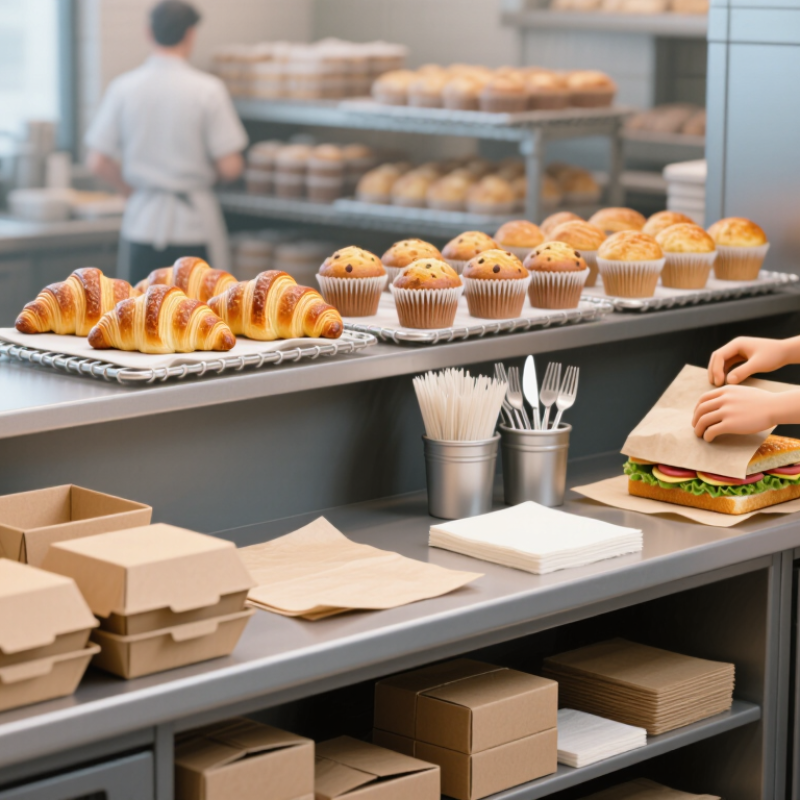
For cafés, caterers, and food retailers, everyday kitchen supplies affect service, storage, and presentation. Paper Kitchen products can offer practical options for wrapping, serving, and preparing food. Think of takeaway cups stacked beside a busy counter or paper sheets protecting a freshly baked pastry. Small details can influence how smoothly a shift runs.

The right products may simplify purchasing and help teams maintain a consistent look. Many paper items are lightweight, easy to store, and available in different sizes and styles. That flexibility can support changing menus, seasonal promotions, or a growing takeaway service. Still, paper is not automatically the best fit for every task. Heat, moisture, strength, and intended use all matter. Test samples under real working conditions.

Cost deserves a closer look. A lower unit price may not mean better value if products tear, leak, or slow staff down. Ask suppliers about specifications, packaging quantities, and product consistency. Consider how items perform during a lunch rush, not just how they look in a catalogue. Sustainability claims also need careful review; materials and disposal options vary by product and location. Check the details.

Choosing well takes more than following a trend. Compare performance, storage needs, customer experience, and total cost before committing to a large order. A small trial can reveal useful things—and sometimes expose assumptions that were wrong.
Why Choose Paper Kitchen Products for Your Business?

What Are Paper Kitchen Products?

Paper kitchen products are disposable or compostable items made mainly from paper or paper fiber for food preparation, serving, and cleanup. The category includes napkins, paper towels, disposable plates, cups, food trays, and paper liners. Some products use molded fiber rather than flat sheets. Others combine paper with a thin coating to resist grease or moisture. Materials and performance vary, so “paper” does not automatically mean recyclable or suitable for every food.

For a business, the useful question is how each item performs during a real shift. A paper towel should absorb spills without falling apart when damp. A tray needs enough stiffness to carry a warm meal across a counter. Napkins should feel comfortable, not merely look tidy. Small details matter. Check product specifications, intended use, storage needs, and disposal guidance before ordering in volume. Paper products can simplify serving and cleanup, but they may soften with moisture or fail under heavy loads. That can be frustrating. Testing a few samples with your menu and workflow is sensible, even if the first choice seems obvious.

How Are Paper Kitchen Products Made and Used?

Paper kitchen products usually begin as wood-based or recycled fibers mixed with water into pulp. Mills screen the pulp, spread it across moving mesh, and press out excess water. Heated rollers then dry the thin sheet. Some products receive a food-contact coating or added strength, depending on their intended use.

The finished paper may become napkins, towels, baking liners, or food wraps. A café might use absorbent sheets to handle light spills, while a bakery may choose grease-resistant liners for trays. Check the product’s stated purpose: ordinary paper is not automatically suitable for direct food contact, high heat, or repeated wet use.

It sounds simple. It isn’t.

For a business, matching the paper to the task helps avoid waste and poor performance. Test a small batch during normal service. Notice whether a towel tears when damp, or whether a liner curls on a warm tray. Specifications matter, but actual kitchen conditions can be messier than a product sheet suggests. That distinction is easy to miss.

Which Types Suit Different Business Needs?

Small cafés often need paper cups for takeaway drinks, sleeves for hot beverages, and napkins near the counter. Bakeries may benefit more from flat bags, pastry boxes, and grease-resistant sheets that keep crumbs contained. Food trucks usually need sturdy trays or bowls that customers can hold while standing. Match each item to the food, serving style, and expected time before eating.

For soups, grain bowls, or saucy meals, choose containers with secure lids and enough structure to resist bending. Sandwich shops may prefer paper wraps or hinged cartons that allow quick packing. Caterers often need plates, cups, and portion-sized containers that stack neatly during transport. Fit matters. A container that is too large can let food slide, while one that is too small may crush a fresh pastry. Paper products also vary in heat tolerance and moisture resistance, so check supplier specifications and test them with your actual menu.

Tips: Run a small trial during a busy service period. Check for leaks, softened bottoms, awkward lids, and storage space. Ask staff what slows packing down. One detail is easy to miss: a product that works well at the counter may be inconvenient for delivery.

What Benefits Do Paper Kitchen Products Offer Businesses?

Paper kitchen products can simplify busy service routines. Paper cups, trays, wraps, and napkins are lightweight and easy to store near a counter or packing station. They can reduce dishwashing needs and help staff serve takeaway orders quickly. Less equipment to wash can also free up sink space during a rush. Small gains matter.

These products offer flexibility for cafés, caterers, and food stalls. Choose sizes that fit actual portions, so meals feel secure and packaging costs stay manageable. Paper is not suitable for every dish: hot, oily, or wet foods may soften it. A sturdy tray or suitable food-safe lining can help, but test it with your menu before ordering in bulk. Check supplier specifications for heat and grease resistance. Disposal options vary by location, so avoid assuming that every paper item is recyclable or compostable.

Tips: Pack one sample meal and leave it for the usual delivery time. Check for leaks, soggy corners, and a comfortable grip. Ask staff what slows them down. Their feedback may reveal a flaw the product sheet misses.

Why Choose Paper Kitchen Products for Your Business? - What Benefits Do Paper Kitchen Products Offer Businesses?

Business consideration Potential benefit of paper products Common applications Practical points to check
Customer takeaway and delivery Paper bags, wraps, and cartons can provide lightweight packaging for many takeaway orders. Bakeries, cafés, quick-service restaurants, and food stalls Match the size and strength to the food and order weight; test packaging for heat, grease, and moisture.
Storage and handling Many paper items are lightweight and can be supplied flat or nested, helping simplify storage and dispensing. Napkins, paper bags, baking liners, and disposable food containers Compare packed dimensions, case quantities, and storage requirements before ordering.
Food presentation Paper sleeves, trays, and cartons can keep foods grouped and make orders easier to carry or serve. Sandwiches, pastries, fries, and other ready-to-eat foods Check whether the design allows ventilation where needed to limit trapped steam and loss of crispness.
Branding and communication Some paper packaging can be printed with menus, handling instructions, or business messaging. Bags, cups, sleeves, and takeaway boxes Confirm print suitability, minimum order quantities, food-contact requirements, and whether inks are appropriate for the intended use.
Material sourcing Paper products can be made from virgin or recycled fibre; sourcing information can support purchasing policies. Food packaging, napkins, and kitchen disposables Review product specifications and credible sourcing documentation. Recycled content may not be suitable for every food-contact application.
End-of-use handling Uncoated, clean paper may be accepted in some local paper-recycling programs. Clean bags, cartons, and paper wraps, where local rules allow Food residue, grease, plastic linings, and coatings can affect recyclability. Check local collection rules rather than relying on material type alone.
Cost and product performance A suitable paper option can meet day-to-day serving needs, but value depends on the product and operating conditions. High-volume food service and catering operations Compare total cost per use, durability, leakage resistance, delivery terms, and waste handling—not unit price alone.

How Can Businesses Choose and Dispose of Them Responsibly?

Choosing paper plates, wraps, or takeaway boxes responsibly begins with the job they must do. A dry pastry needs little barrier; a saucy meal may need a coating that complicates recycling. Ask suppliers about recycled content, fiber sourcing, and coatings, then test products with real food and service times. A paper label alone proves little.

The U.S. Environmental Protection Agency reported that 68.2% of paper and paperboard was recycled in 2018. The American Forest & Paper Association estimated a 65–69% U.S. paper recycling rate in 2023, depending on calculation method. These figures describe broad paper streams, not every food-service item. Grease, liquids, and attached plastic can change what local facilities accept. Small details matter.

Set out clearly marked bins near collection points, and train staff to scrape food into organics where that service exists. Keep clean, accepted paper separate from wet waste. Check local facility guidance before claiming an item is recyclable; acceptance varies by material and location. I would not assume a compostable coating belongs in the recycling bin, either. That distinction is easy to miss during a busy lunch rush. Review contamination and disposal patterns regularly, then adjust purchasing or signage when the bins tell a different story.

Why Choose Paper Kitchen Products for Your Business?

Paper products can fit into established paper recovery streams, but recyclability depends on the product and local collection rules. These U.S. recycling rates show why choosing recyclable formats—and keeping them free of food residue where required—matters.

U.S. recycling rates for selected paper grades, 2018. Rates are not guarantees that a specific food-contact item is recyclable; check local guidance, especially for food-soiled products. Source: U.S. Environmental Protection Agency.

FAQS

How are paper kitchen products made?

Wood-based or recycled fibers are mixed with water to form pulp. Mills screen it, spread it over mesh, press out water, and dry the sheet with heated rollers. Some products receive coatings or added strength.

Which kitchen tasks can paper products handle?

Paper may be made into napkins, towels, baking liners, wraps, cups, trays, or takeaway boxes. A towel can manage a light spill. A grease-resistant liner may suit a bakery tray. It depends on the product.

Is ordinary paper safe for every food or cooking condition?

No. Ordinary paper is not automatically suitable for direct food contact, high heat, or repeated wet use. Check the stated purpose and product specifications. Don’t guess.

How can a business test paper products before ordering?

Try a small batch during normal service. Leave a sample meal packed for the usual delivery time. Check for leaks, soggy corners, curling, or tearing. Real kitchens are messy.

What benefits can paper products offer a busy food business?

Lightweight cups, trays, wraps, and napkins are easy to store near counters. They may reduce dishwashing and free up sink space during a rush. Small gains matter.

How should a business choose paper packaging for different foods?

Match the product to the food. A dry pastry may need little protection, while a saucy meal may require a barrier. Ask about recycled content, fiber sourcing, and coatings. Test before buying in bulk.

Can every paper food-service item be recycled or composted?

No. Grease, liquids, coatings, and attached plastic may affect acceptance. Check local facility guidance before labeling an item recyclable or compostable. I still catch myself assuming the label tells the whole story.

How can staff sort used paper products more carefully?

Place clearly marked bins near collection points. Keep clean, accepted paper separate from wet waste, and scrape food into organics where that service exists. Review the bins regularly. They may tell you something.

Conclusion

Paper Kitchen products include everyday items such as plates, cups, food containers, napkins, and wrapping materials made primarily from paper or paper-based materials. They are produced by shaping and finishing suitable fibers into useful forms, often with coatings or treatments that help them hold food, liquids, or grease. From quick-service meals and catering to office kitchens and events, different product types can suit different serving, storage, and cleanup needs.

For businesses, these products can offer convenient handling, light weight, and an alternative to some reusable or plastic options. Choosing well means considering food type, strength, heat and moisture resistance, size, cost, and whether products can be recycled or composted where appropriate. Businesses can also reduce waste by selecting only what they need, providing clear disposal guidance, and checking local waste facilities before making environmental claims.

Charlotte

Charlotte

Charlotte is a seasoned marketing professional with a deep understanding of the company's portfolio and a passion for elevating its presence in the market. With a keen eye for detail and a commitment to excellence, she ensures that our professional blog is regularly updated with insightful articles......