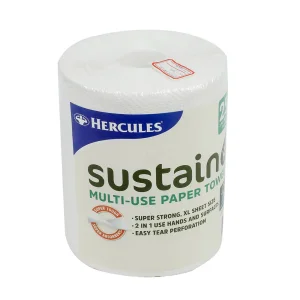
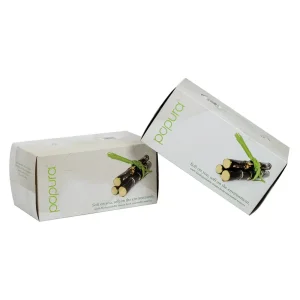
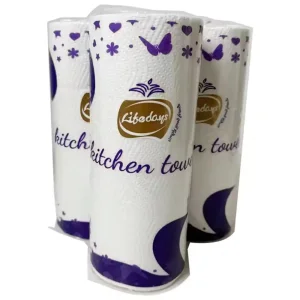
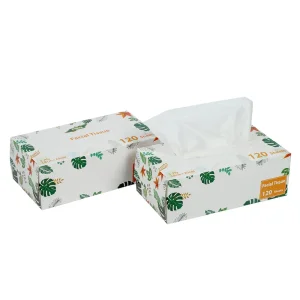
Explore our wide selection of raw parent tissue materials and high-quality converted products tailored for global retail chains and distributors.

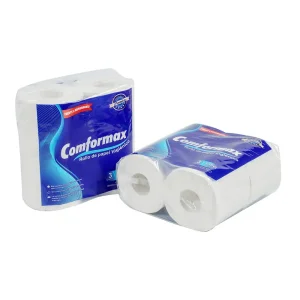
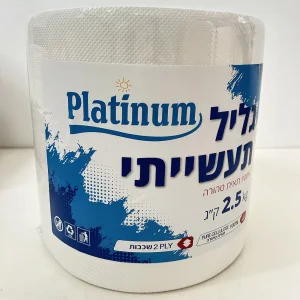
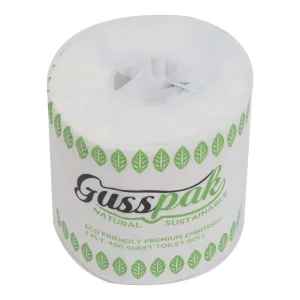
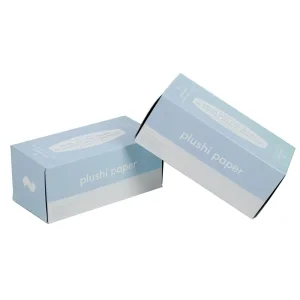
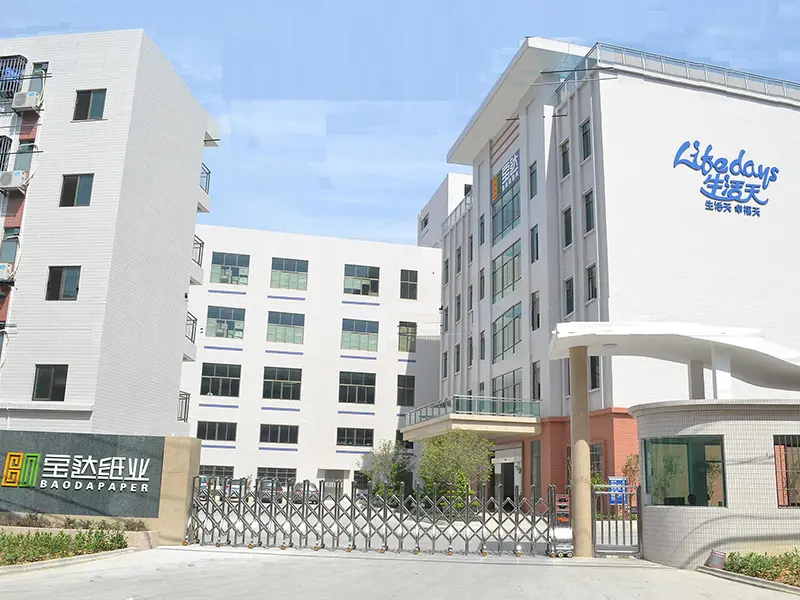
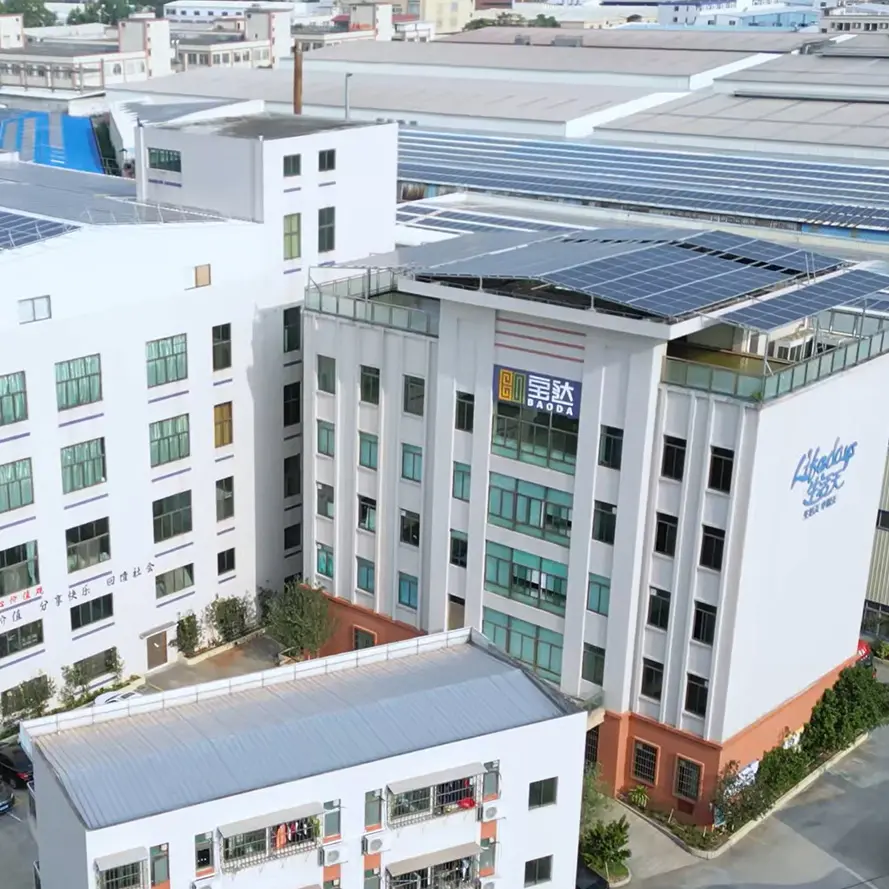
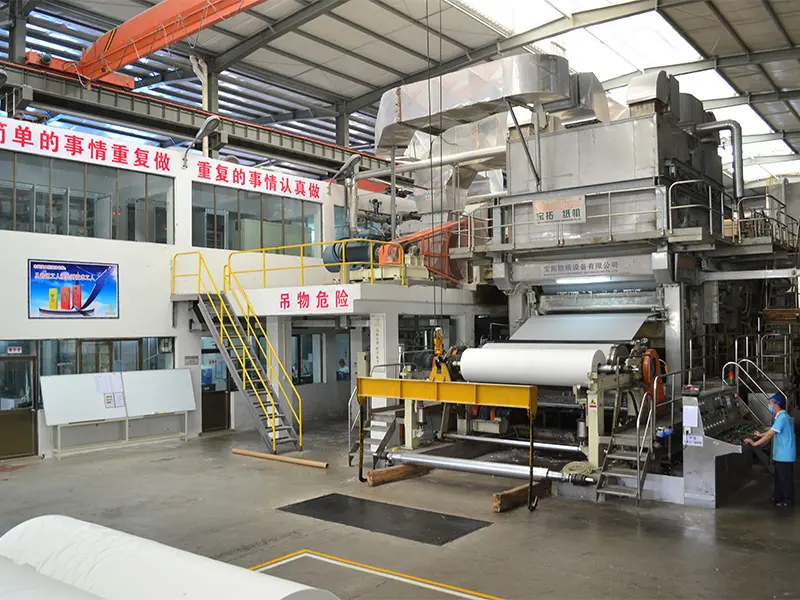
For over 27 remarkable years, since our inception in 1998, Baoda Paper Co., Ltd. has stood as an unwavering cornerstone of China's tissue paper industry, evolving from a domestic manufacturer into a globally recognized force. We have meticulously built our legacy on a formidable foundation of advanced manufacturing excellence and an unwavering commitment to quality. Our modern, sprawling complex, exceeding 20,000 square meters, is a testament to this commitment. Within its walls, we house state-of-the-art, imported high-speed paper machines and sophisticated automated processing lines. This powerful infrastructure is the engine behind our impressive annual production capacity of over 30,000 tons, enabling us to meet large-scale demands without compromising on the consistent quality that defines the Baoda name.
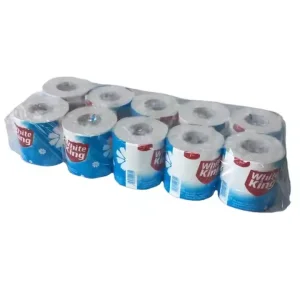
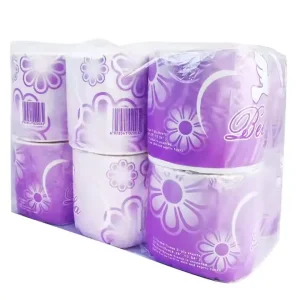
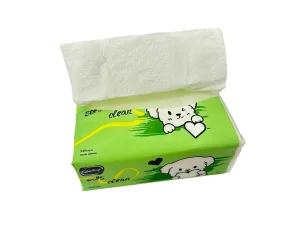
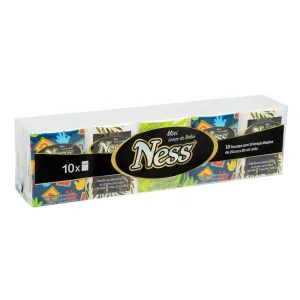
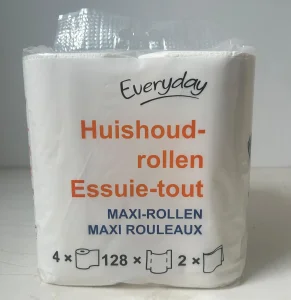
Our comprehensive and curated product portfolio is designed to provide complete one-stop solutions for diverse market needs. We offer an extensive range of products, from essential household items like premium toilet rolls, versatile kitchen towels, and soft facial tissues to convenient and hygienic pocket tissue packs for on-the-go use. Understanding the diverse paths to market success, our business model is both robust and flexible. While we proudly market three successful self-owned brands, we are also a premier partner for clients seeking to build their own product lines. We specialize in tailored ODM (Original Design Manufacturing), OEM (Original Equipment Manufacturing), and OBM (Original Brand Manufacturing) services, working collaboratively to bring our clients' unique visions and brand identities to life with precision and expertise.
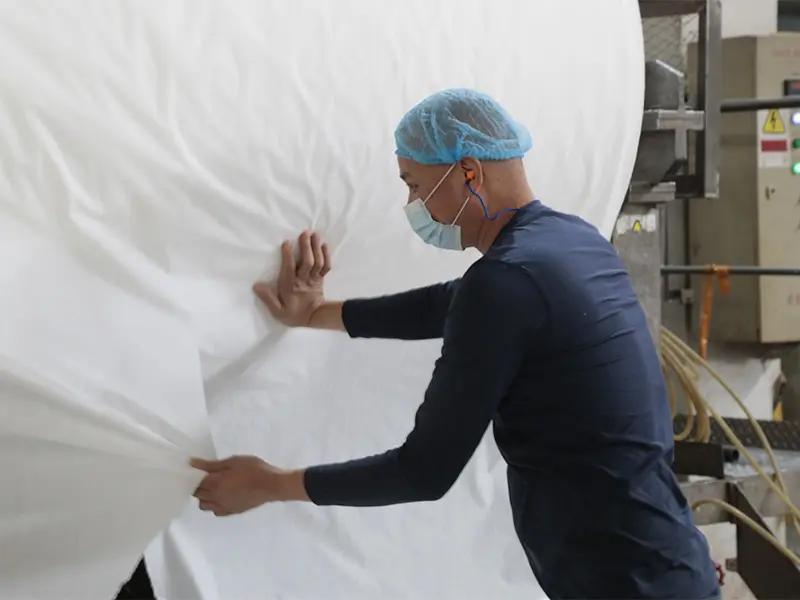
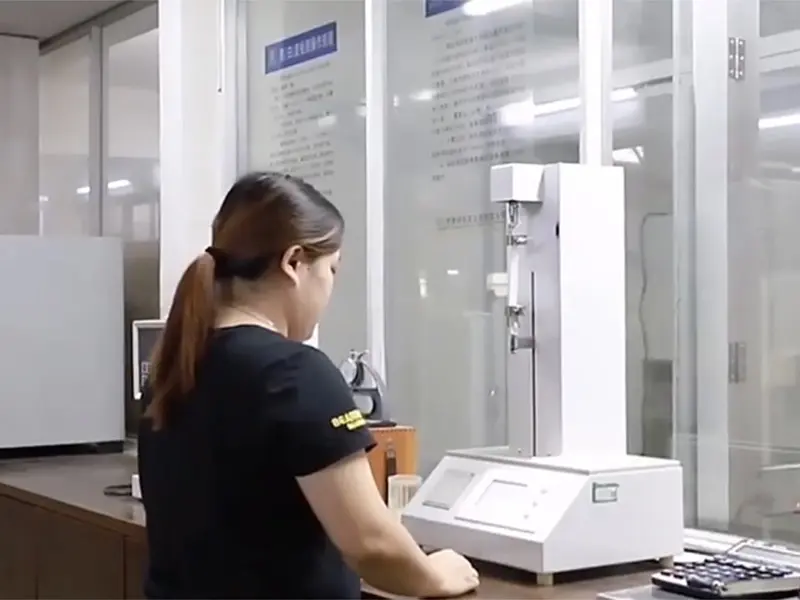
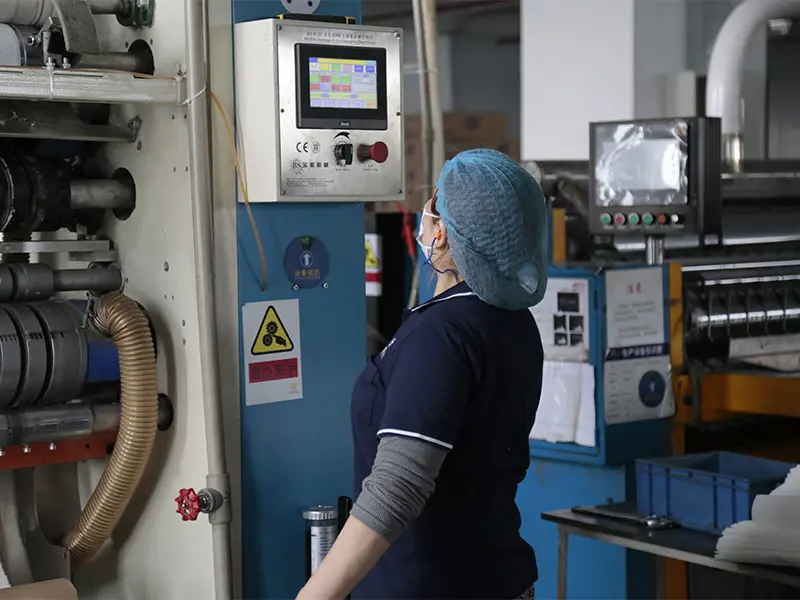
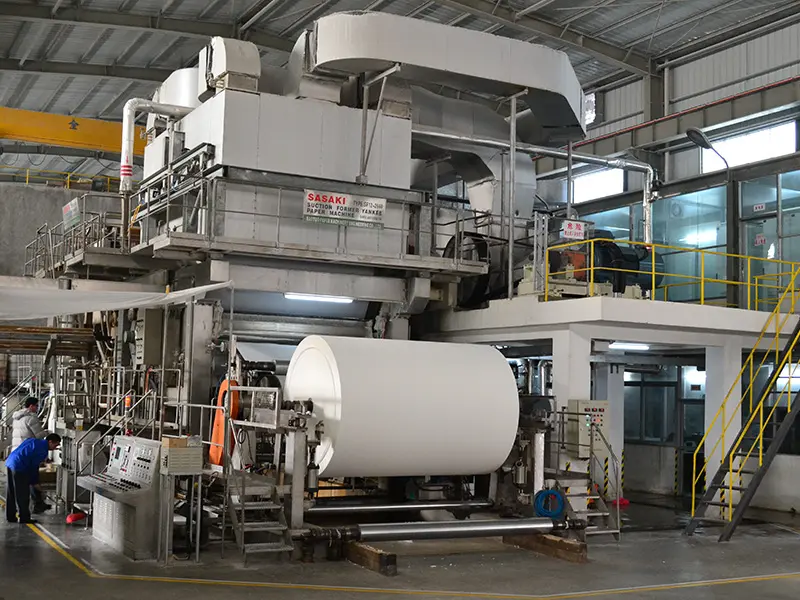
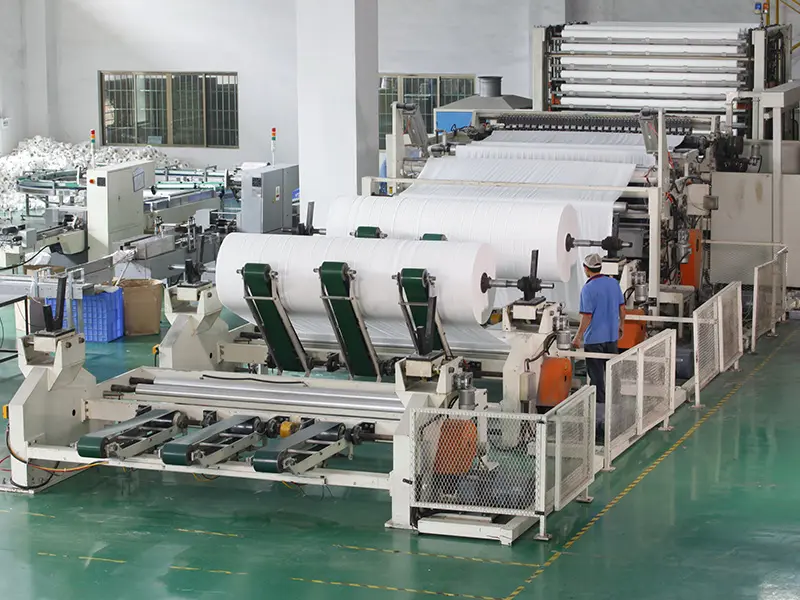
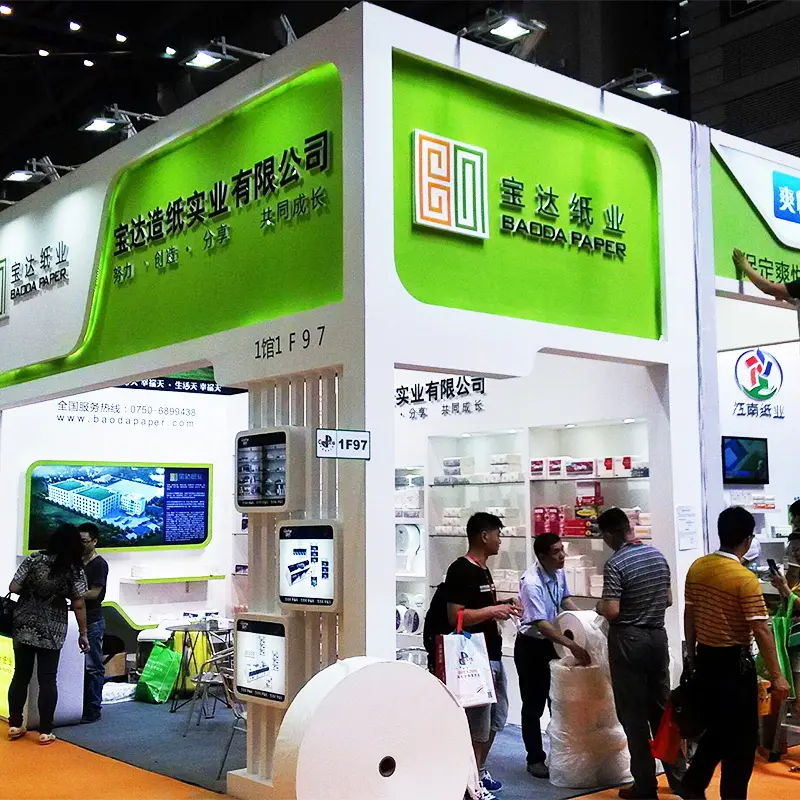
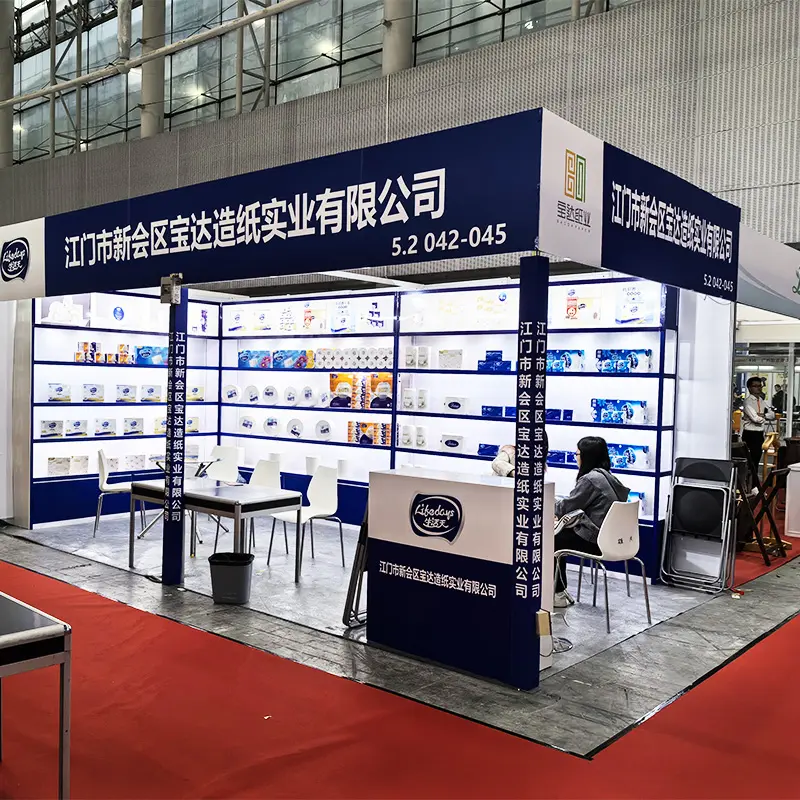
Why Fortune 500 retailers and top-tier global paper distributors choose Baoda as their manufacturing partner.
This dedication has earned us the trust of a vast network of over 10,000 global leaders in retail and distribution, including renowned giants such as Walmart and Watsons. We strictly comply with environmental regulations and ethical auditing standards.
Our high-quality products and reliable service have enabled us to build a robust international distribution network spanning more than 60 countries across the Americas, Europe, Asia, and Australia, with significant presence in key markets like the United States and Australia.
Through decades of innovation and consistent delivery, Baoda Paper has become more than just a manufacturer; we are a symbol of quality, reliability, and partnership in the dynamic global tissue market, resolving custom and logistics hurdles with ease.
Deciphering Technical Metrics, Supply Chain Dynamics, and Global Compliance Standards for Procurement Leaders.
Parent rolls, often referred to as jumbo tissue rolls, are the foundational raw materials used in the paper converting industry. These massive rolls of paper are manufactured directly on large-scale paper machines (such as Yankee Dryer or Crescent Former lines) from pulp suspensions. For global tissue brands and converting facilities, selecting the correct parent roll product is a high-stakes decision. The physical characteristics of the parent roll directly govern the efficiency, speed, and runnability of downstream converting machinery, which cuts, embosses, perforates, and packages the final consumer-facing products.
In terms of composition, parent rolls are categorized by fiber source: Virgin Wood Pulp (conifers like spruce and pine for tensile strength, and hardwoods like eucalyptus for extreme softness), Bamboo Pulp (offering a highly sustainable, antimicrobial alternative), and Recycled/Mixed Pulp (cost-effective options targeting specific eco-conscious or budget markets). The fiber alignment, wet-strength additives, and creping percentage determine whether the roll is optimized for toilet tissue, facial tissue, hand towels, or industrial wipes.
China has established itself as the global epicenter for tissue paper manufacturing. The geographical concentration of supply chains allows Chinese factories to achieve unmatched economies of scale. China-based facilities like Baoda Paper benefit from advanced manufacturing clusters, giving them direct access to high-efficiency pulp logistics, advanced domestic chemical suppliers, and world-class shipping ports.
Key Supply Chain Insight: High-Speed Crescent Former Technology
Modern Chinese mills utilize imported and high-speed crescent former tissue machines, operating at speeds up to 2,000 meters per minute. This technology ensures optimal fiber distribution, higher bulk, and consistent cross-directional (CD) tensile strength compared to older Fourdrinier machinery.
This technological edge, combined with competitive labor costs and highly integrated logistics, enables Chinese manufacturers to supply premium-grade virgin pulp parent rolls to the international market at highly competitive price points. Furthermore, the rapid prototyping capability of Chinese OEMs allows for fast development of customized GSM weights, widths, and ply configurations to fit specific regional demands.
When sourcing parent rolls, procurement managers must evaluate several technical metrics to avoid machine jams, tearing, or subpar final product quality. A high-quality parent roll is not merely defined by its raw weight, but by several critical lab-tested performance metrics:
Exporting parent rolls globally requires strict adherence to international environmental standards and national customs regulations. The European and North American markets place immense emphasis on sustainable sourcing.
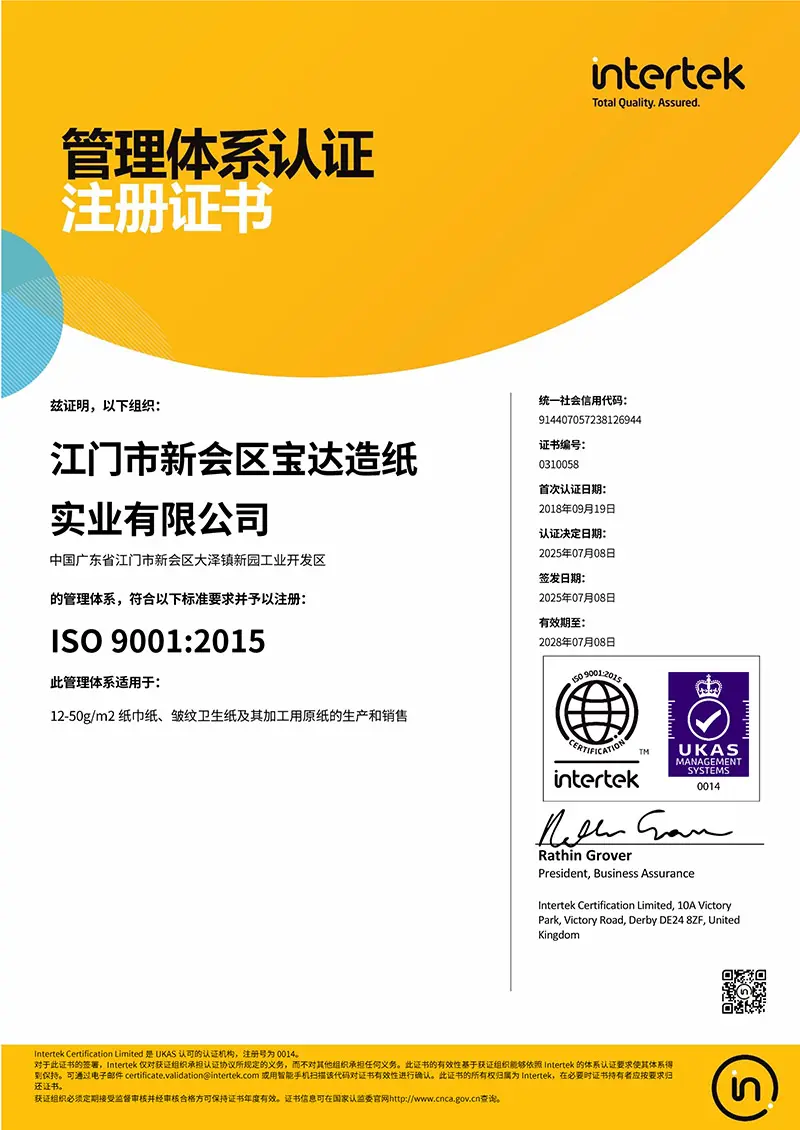
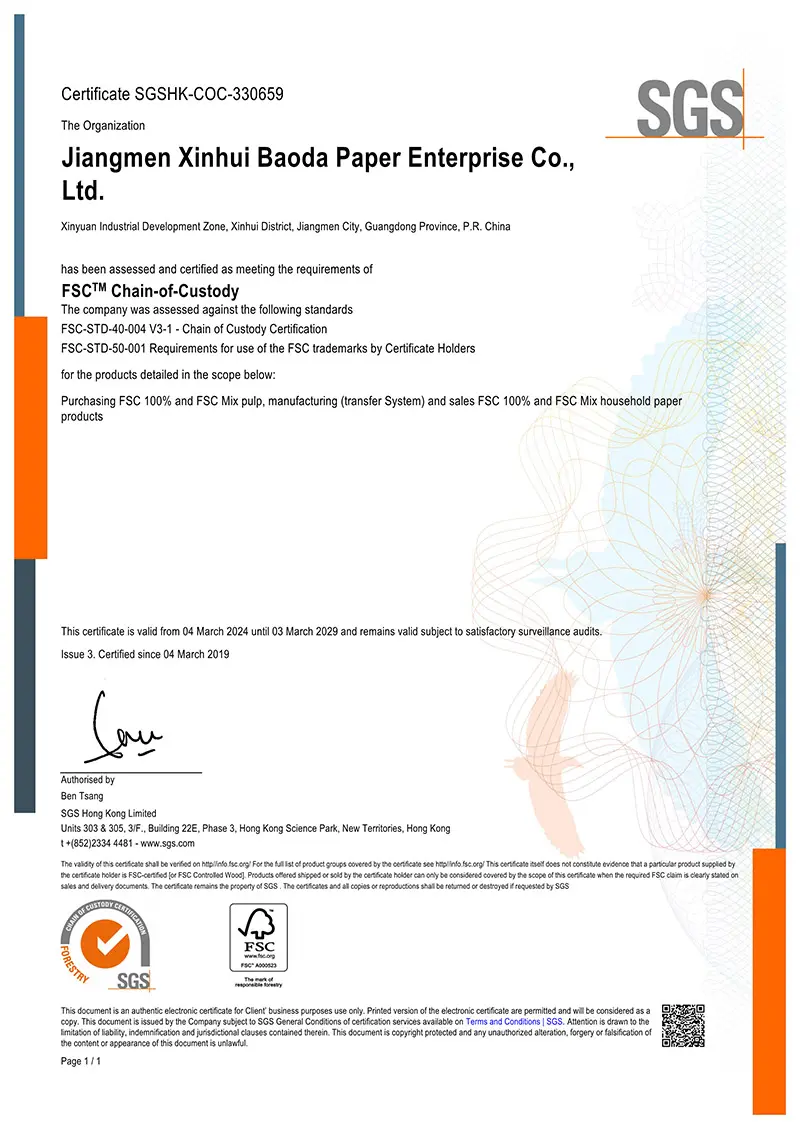
FSC Certification: Forest Stewardship Council (FSC) Chain of Custody certification is the gold standard. It proves that the wood fiber used to manufacture the parent rolls is sourced from responsibly managed forests, preserving biodiversity and respecting indigenous communities. Leading manufacturers like Baoda maintain full FSC certification, ensuring their global retail partners like Walmart can pass strict environmental audits.
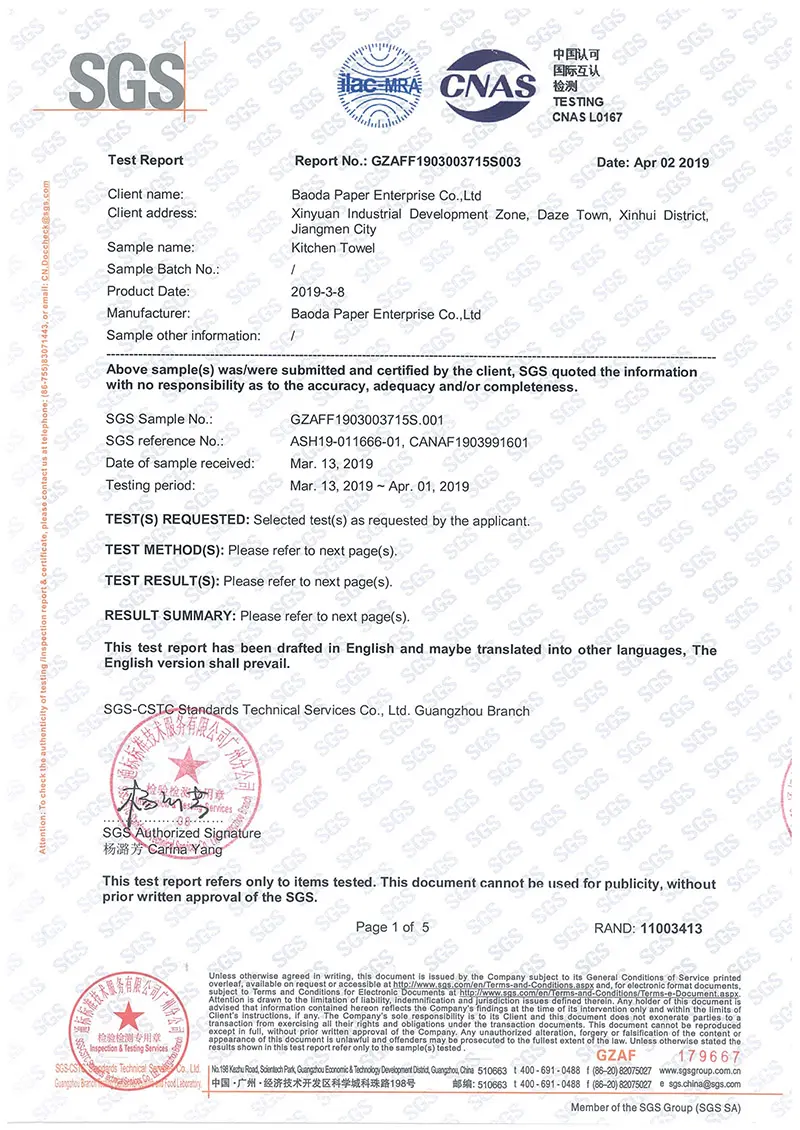
Chemical and Health Regulations: The chemicals used in pulp refining, creping, and bonding must comply with local safety frameworks. This includes FDA compliance (for products in contact with food, like kitchen towels) and REACH registration in the EU (ensuring no harmful chemical residues remain in the tissue structure). Additionally, ISO 9001 (Quality Management) and ISO 14001 (Environmental Management) frameworks ensure consistent manufacturing practices across all batches.
Parent rolls are highly versatile materials. Depending on their chemical treatment and fiber composition, they are directed into distinct downstream conversion channels:
The global tissue market is evolving rapidly, driven by environmental legislation and smart manufacturing technologies. Two dominant trends are reshaping the parent roll industry:
The Bamboo Alternative: As deforestation regulations tighten, bamboo pulp parent rolls are growing in popularity. Bamboo grows significantly faster than softwood trees, absorbs more carbon dioxide, and produces strong, naturally antimicrobial fibers that appeal directly to Gen-Z and eco-conscious consumer segments.
AI-Assisted Quality Auditing: Leading factories are implementing vision-based AI defect-detection systems directly on the paper machine output. High-speed cameras scan the running paper web for pinholes, dirt spots, or thickness irregularities in real-time, allowing operators to mark and segregate sub-standard paper before the jumbo roll is wound, ensuring 100% reliable conversion performance for downstream customers.
Baoda's dedication to global compliance, environmental preservation, and standardized corporate audits.
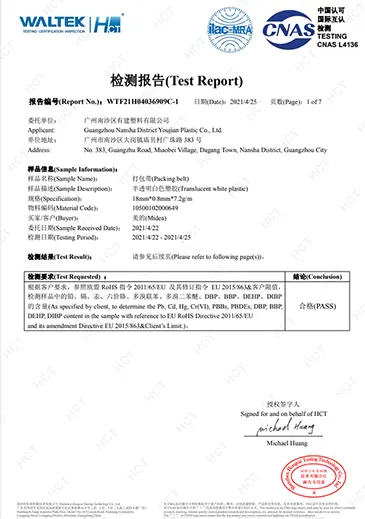
Technical and logistics answers compiled by our senior tissue application engineering team.
Discover more high-grade paper products designed for commercial export, complete with customization parameters.
 BAODA PAPER