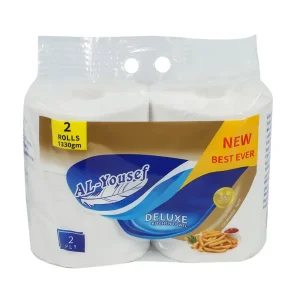
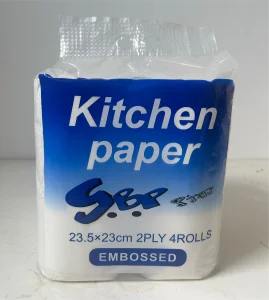
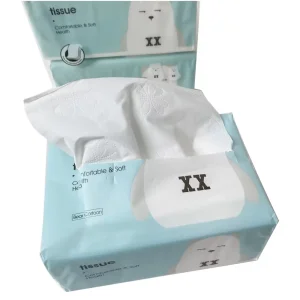
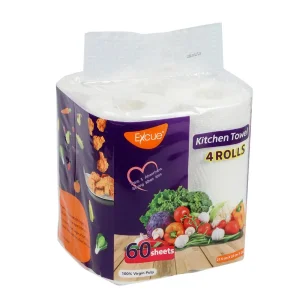
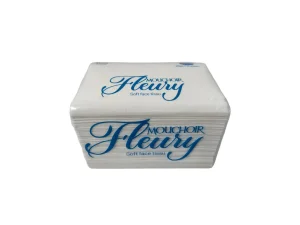
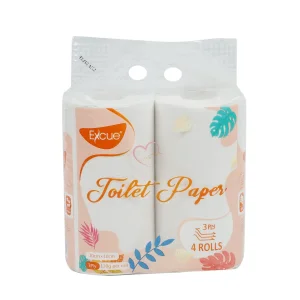
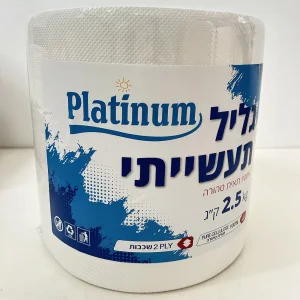
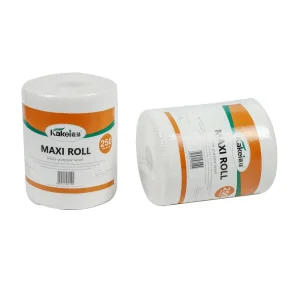
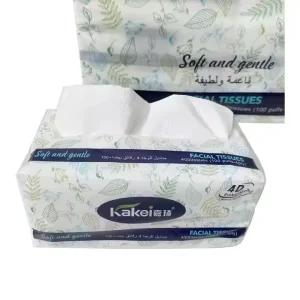
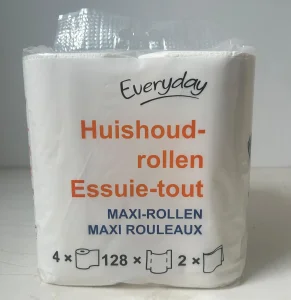
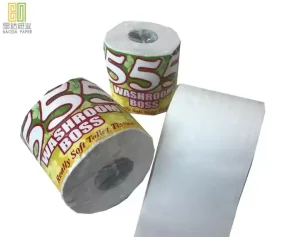
Explore our high-performance household paper formulations engineered for durability and maximum liquid absorption.
For over 27 remarkable years, since our inception in 1998, Baoda Paper Co., Ltd. has stood as an unwavering cornerstone of China's tissue paper industry, evolving from a domestic manufacturer into a globally recognized force. We have meticulously built our legacy on a formidable foundation of advanced manufacturing excellence and an unwavering commitment to quality. Our modern, sprawling complex, exceeding 20,000 square meters, is a testament to this commitment.
Within its walls, we house state-of-the-art, imported high-speed paper machines and sophisticated automated processing lines. This powerful infrastructure is the engine behind our impressive annual production capacity of over 30,000 tons, enabling us to meet large-scale demands without compromising on the consistent quality that defines the Baoda name. Our structural scale is complemented by a fully digitized manufacturing framework that tracks every roll from initial pulping through lamination and packaging.
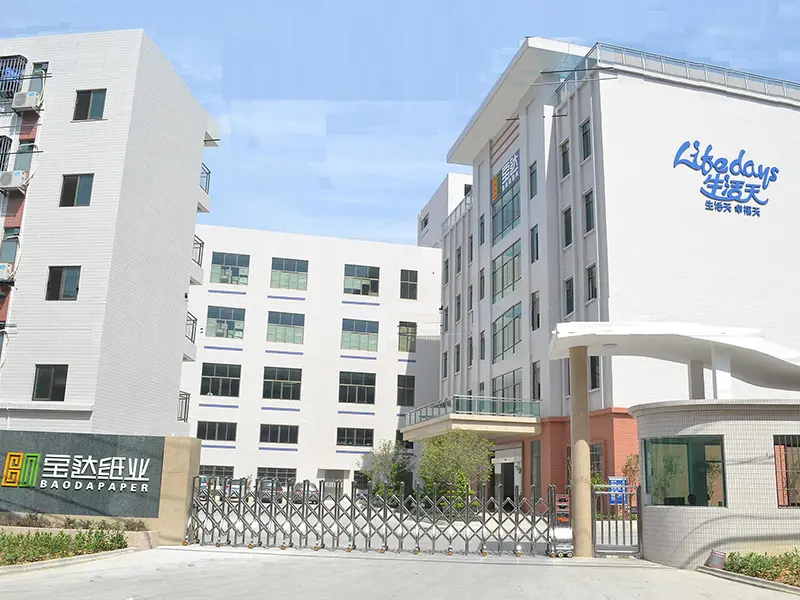
Proven reliability and manufacturing strength scaled to satisfy major global retail distributors.
Years of Manufacturing Experience (Est. 1998)
Annual Production Capacity (Tons)
Factory Floor Area (Square Meters)
In the contemporary B2B paper product market, kitchen rolls have transitioned from a luxury household convenience to a critical sanitary essential. Driving this evolution is the rising consumer preference for hygienic solutions that mitigate cross-contamination in kitchens and workspaces. With the transition from single-ply tissues to multi-ply, high-absorbency, and structurally stable configurations, the production technology required for kitchen rolls has advanced rapidly.
Historically, manufacturers relied on mechanical embossing to interlock plies of tissue. While cost-effective, this approach compromised air pocket generation and reduced water retention. Today's premium kitchen roll design demands Glue-Laminated Technology. By applying microscopic layers of food-grade water-soluble adhesive, manufacturers create isolated pockets of air between layers of paper. This structure dramatically improves both volumetric absorbency and wet-tensile strength. The product resists tearing under mechanical strain, making it highly effective for heavy scrubbing and liquid cleanups.
Transition from mixed chemical pulps to FSC-certified 100% virgin wood pulp and bamboo fibers for minimal environmental impact.
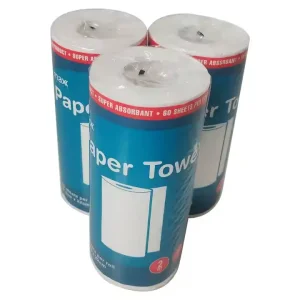
Advanced nested and point-to-point micro-embossing technology ensures maximum air entrapment, increasing fluid uptake capacity up to 10x its weight.
Incorporation of polyamide-epichlorohydrin (PAE) resins to ensure structural integrity and prevent linting or structural collapse during scrubbing.
Our comprehensive and curated product portfolio is designed to provide complete one-stop solutions for diverse market needs. We offer an extensive range of products, from essential household items like premium toilet rolls, versatile kitchen towels, and soft facial tissues to convenient and hygienic pocket tissue packs for on-the-go use. Understanding the diverse paths to market success, our business model is both robust and flexible.
While we proudly market three successful self-owned brands, we are also a premier partner for clients seeking to build their own product lines. We specialize in tailored ODM (Original Design Manufacturing), OEM (Original Equipment Manufacturing), and OBM (Original Brand Manufacturing) services, working collaboratively to bring our clients' unique visions and brand identities to life with precision and expertise.
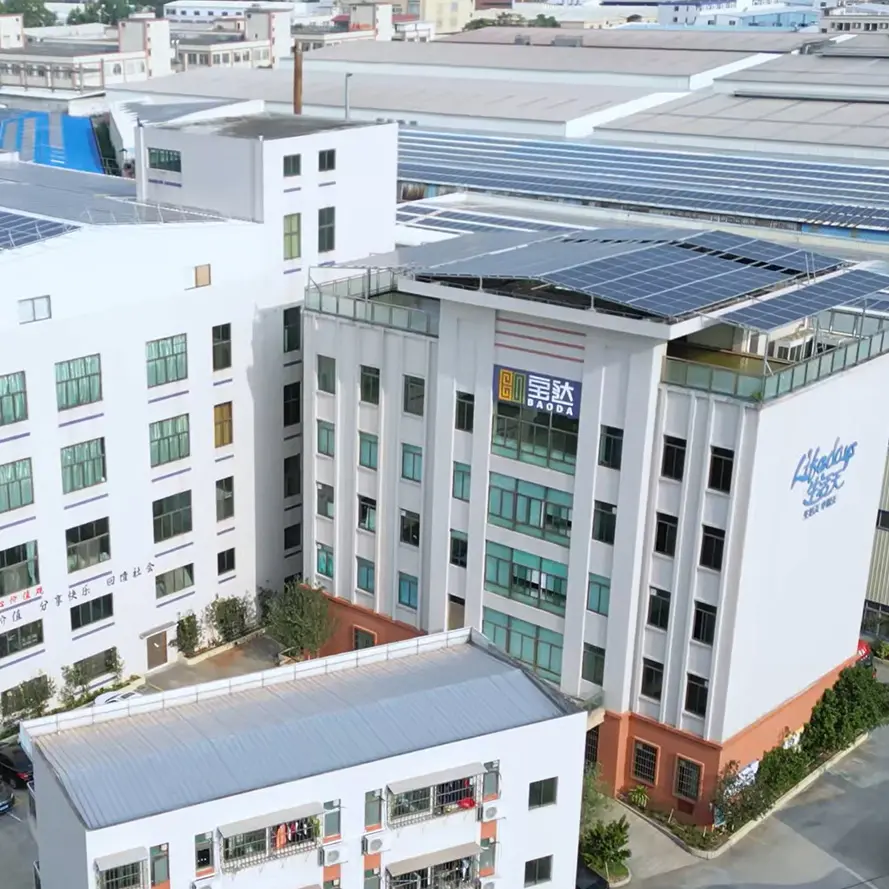
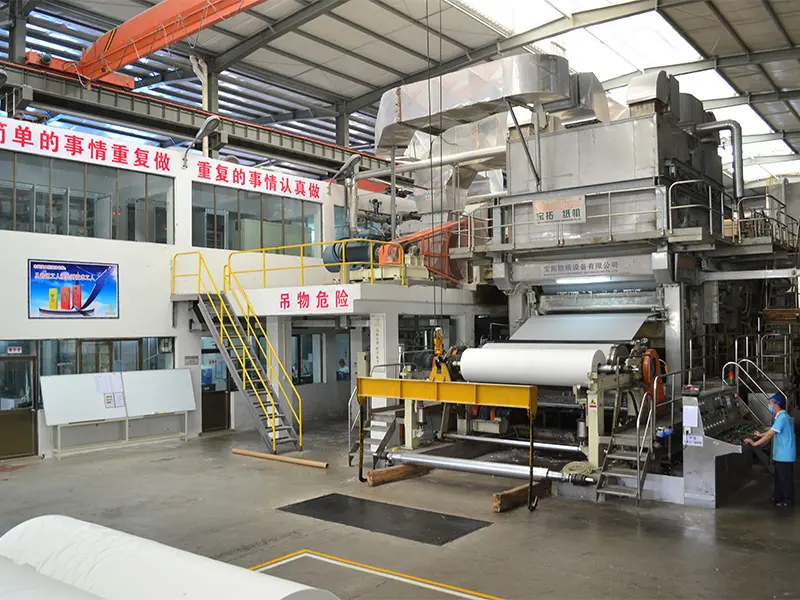
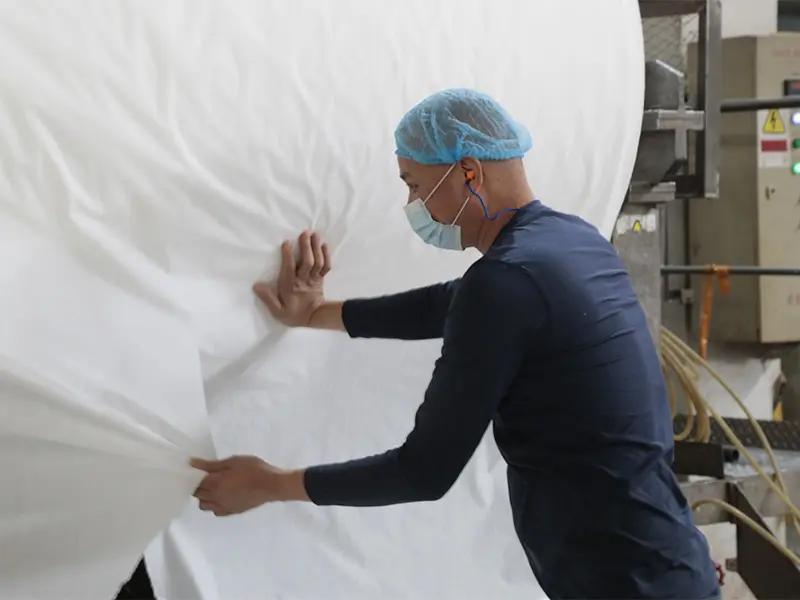
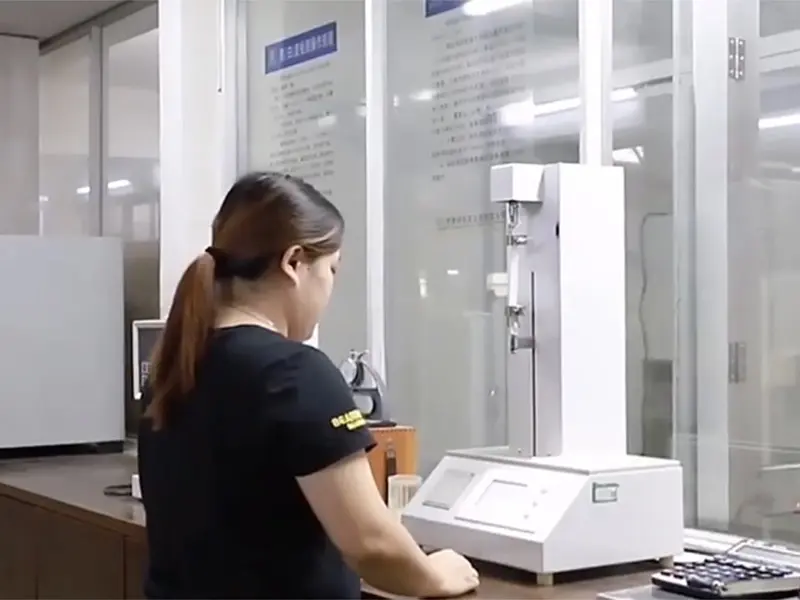
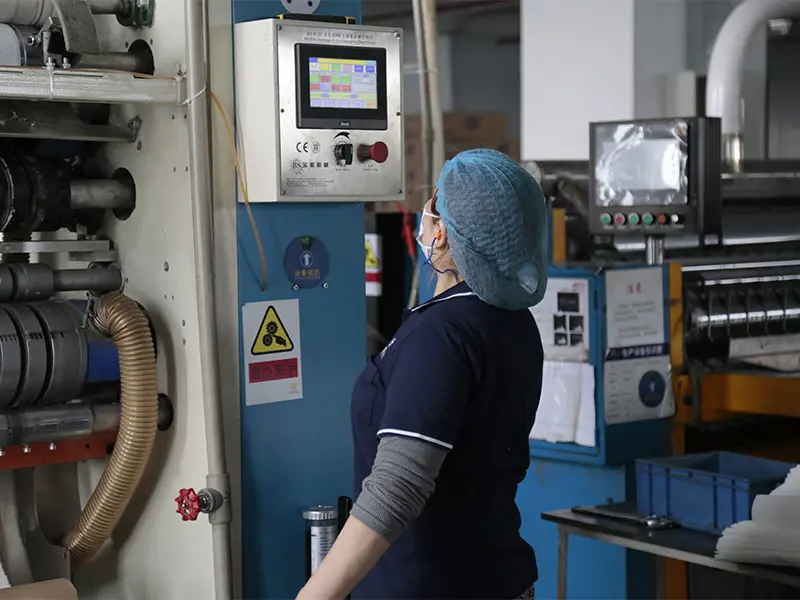
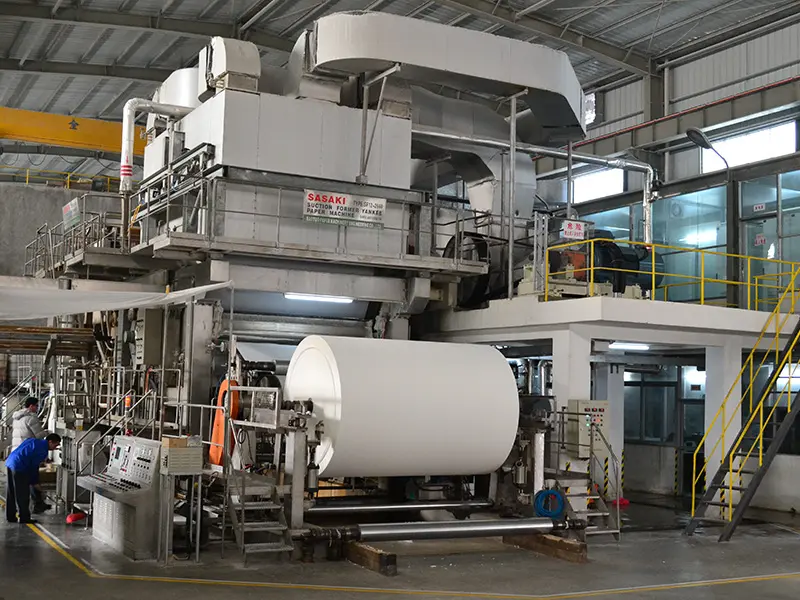
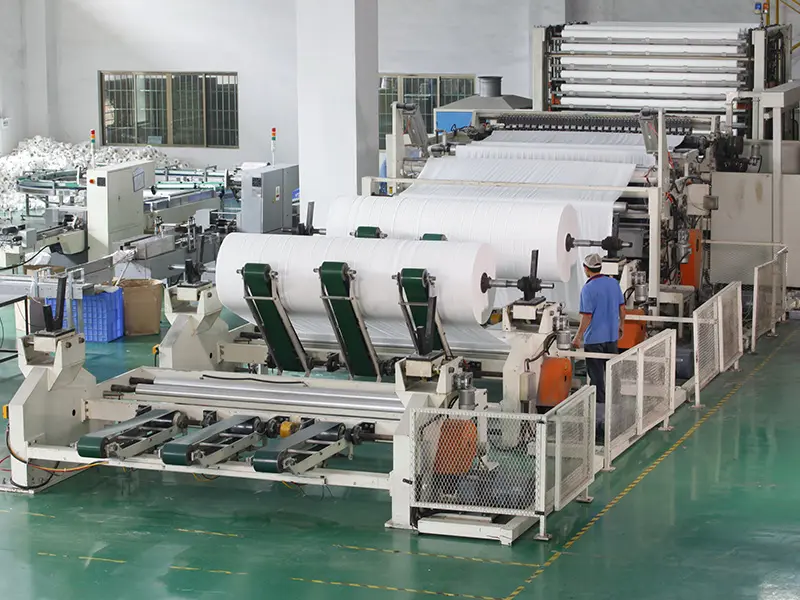
Enterprise procurement departments, particularly those handling private label operations for global retailers like Walmart or health-and-beauty networks like Watsons, prioritize strict metrics when evaluating potential manufacturing partners. The decision-making matrix is no longer guided solely by unit price. Global procurement structures demand comprehensive operational assurance.
A key operational challenge in private-label distribution is batch-to-batch variation. To prevent this, our production facility runs continuous quality testing to measure tensile index (both dry and wet), water absorption capacity (measured in grams of water absorbed per gram of fiber), and optical brightness levels. Our laboratory testing equipment verifies that all tissue fibers meet strict tear-resistance thresholds before leaving the factory.
During mechanical glass wiping or food preparation, paper linting introduces unacceptable contamination risks. Our manufacturing line solves this by applying high-grade mechanical calendering techniques. By compressing the tissue web between polished steel rollers under high pressure, we flatten surface fibers, securing them within the sheet structure. This process delivers a smooth, clean wipe that leaves no residue behind.
Different markets present distinct consumer preferences. North American buyers typically source 2-ply half-sheet kitchen towels with perforated lines at 11 inches by 5.5 inches, while European and Australian retailers prefer full-sheet formats (typically 220mm by 225mm). Baoda’s rewinding lines are fully programmable, allowing our factory to transition quickly between sheet-count variations (e.g., 60-roll packs up to high-capacity 200-sheet industrial rolls) and core specifications (including standard and coreless options).
How Baoda Paper aligns technical processes with global client expectations to build reliable, long-term partnerships.
This dedication has earned us the trust of a vast network of over 10,000 global leaders in retail and distribution, including renowned giants such as Walmart and Watsons.
Our high-quality products and reliable service have enabled us to build a robust international distribution network spanning more than 60 countries across the Americas, Europe, Asia, and Australia, with significant presence in key markets like the United States and Australia.
Through decades of innovation and consistent delivery, Baoda Paper has become more than just a manufacturer; we are a symbol of quality, reliability, and partnership in the dynamic global tissue market.
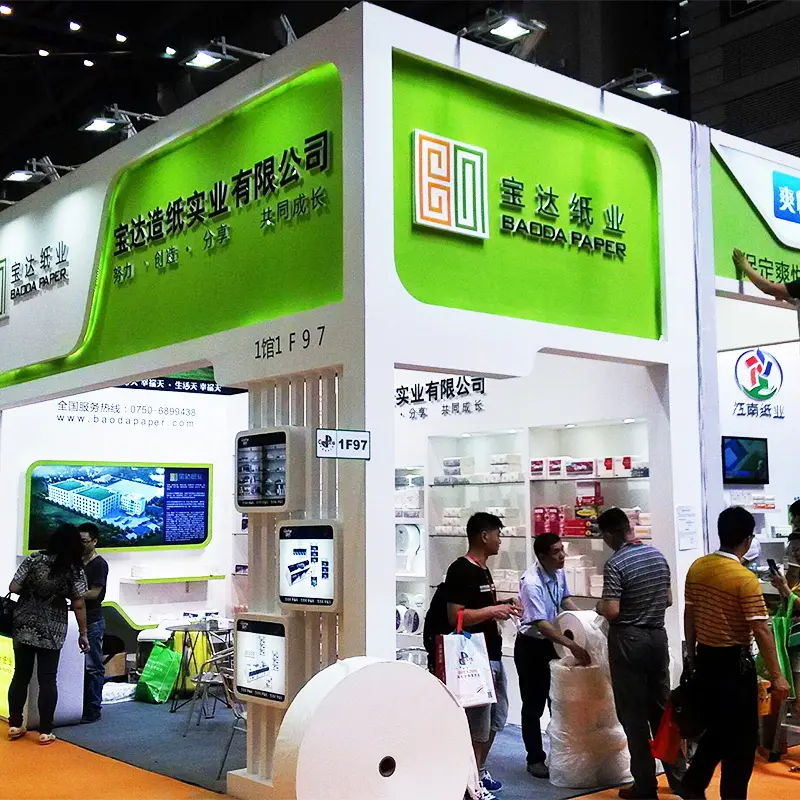
Our production scale starts with our fiber sourcing program. Baoda Paper selects premium virgin wood pulp fibers that are beaten and refined to build a balanced ratio of long-fiber softwoods and short-fiber hardwoods. The softwood fiber network provides structural strength to prevent tears when wet, while the hardwood fibers add softness and density.
By operating modern high-speed paper machinery, we maintain tight control over basis weight consistency (grams per square meter or GSM). This baseline control ensures our downstream OEM/ODM converting processes deliver uniform thickness and absorbency across all customized kitchen paper formulations.
Navigating the steps from raw concept to shelf-ready product requires deep industrial expertise. At Baoda Paper, we simplify this journey with a robust service suite that helps global brands and distributors scale their product lines efficiently.
Our OEM service is engineered for brands that already maintain defined specifications. We convert your raw material requests, target dimensions, ply configurations, and packaging art into finished products. With our high-speed, automated production lines, we deliver consistent output at scale, helping your brand maintain a reliable market supply.
For distributors looking to enter the market without dedicated design assets, our ODM program provides an end-to-end development pathway. We analyze target markets, define optimal embossing patterns, calculate the necessary wet-tensile specifications, and design retail packaging. This turnkey solution reduces time-to-market while ensuring alignment with local consumer preferences.
In addition to contract manufacturing, Baoda manages three self-owned brands that serve international consumer tissue segments. Leveraging our own market insights, we help clients build custom brand solutions, providing ready-to-use distribution strategies and tested product configurations to reduce commercial risk.
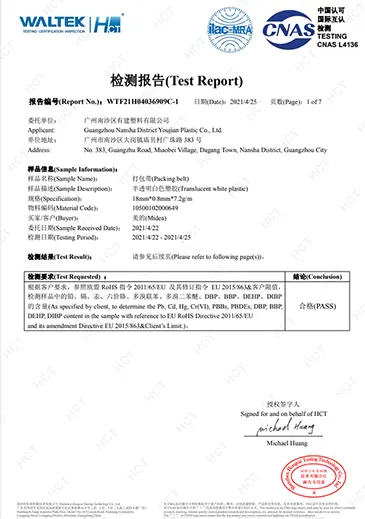
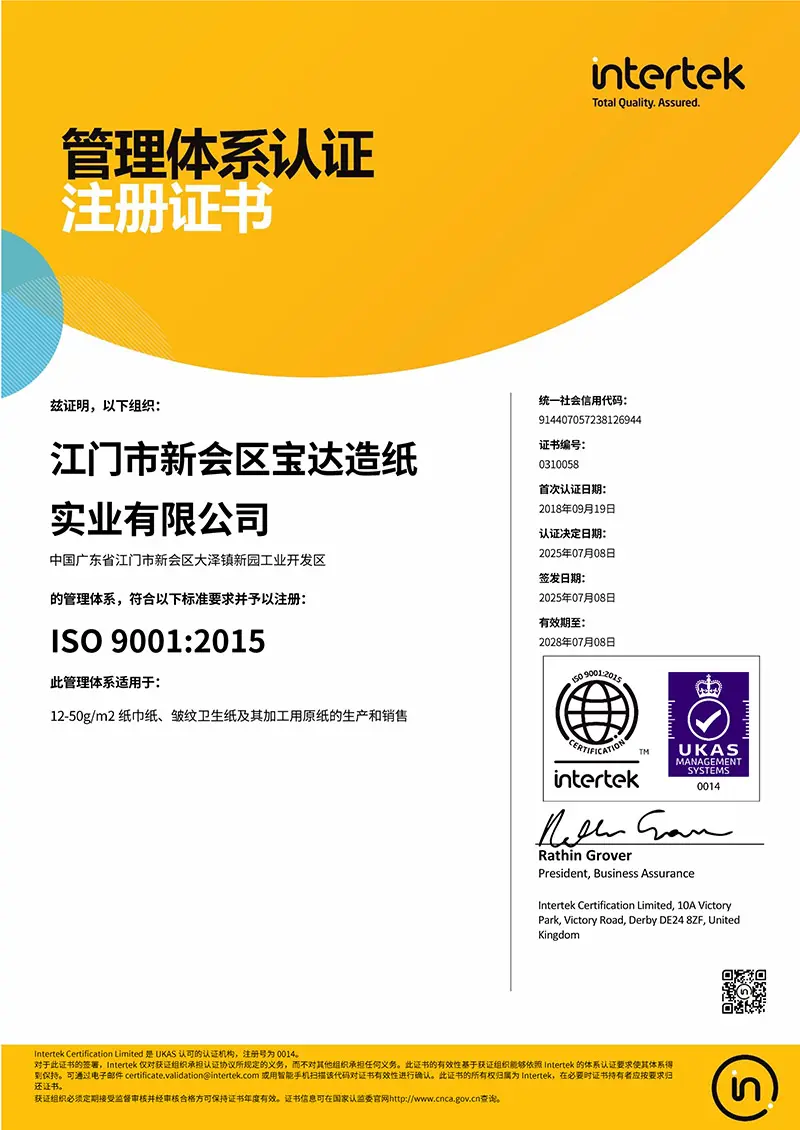
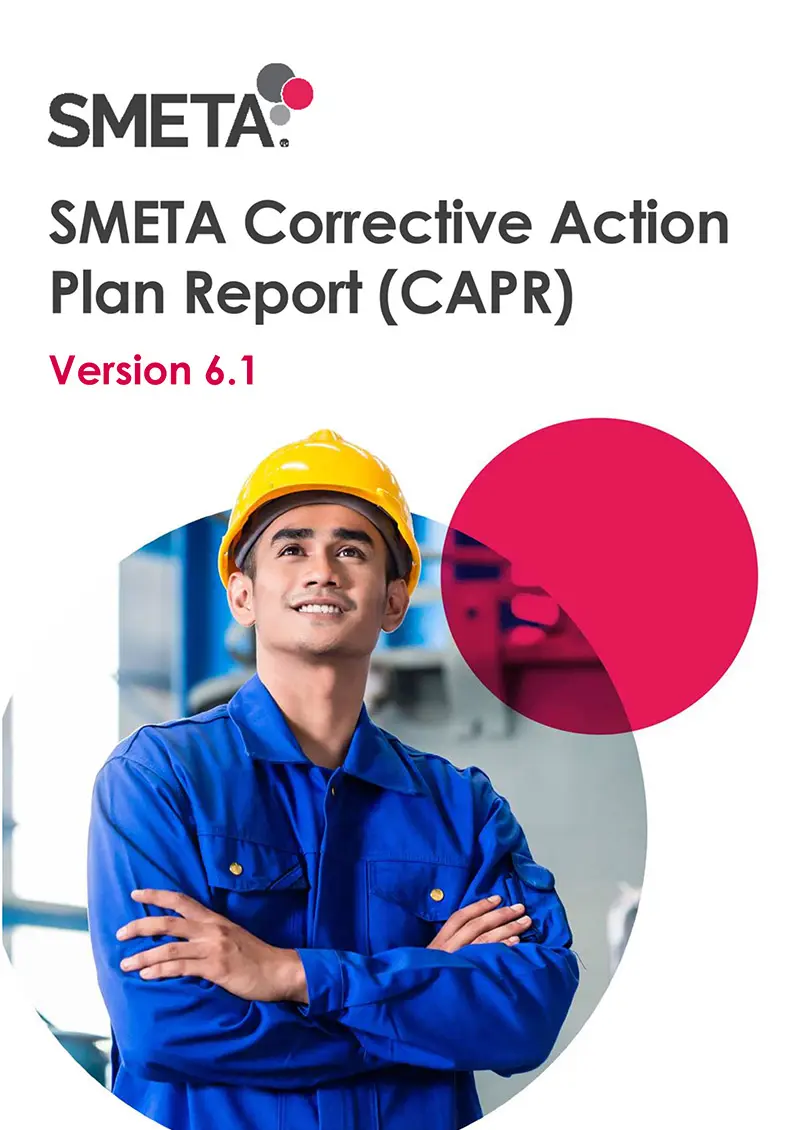
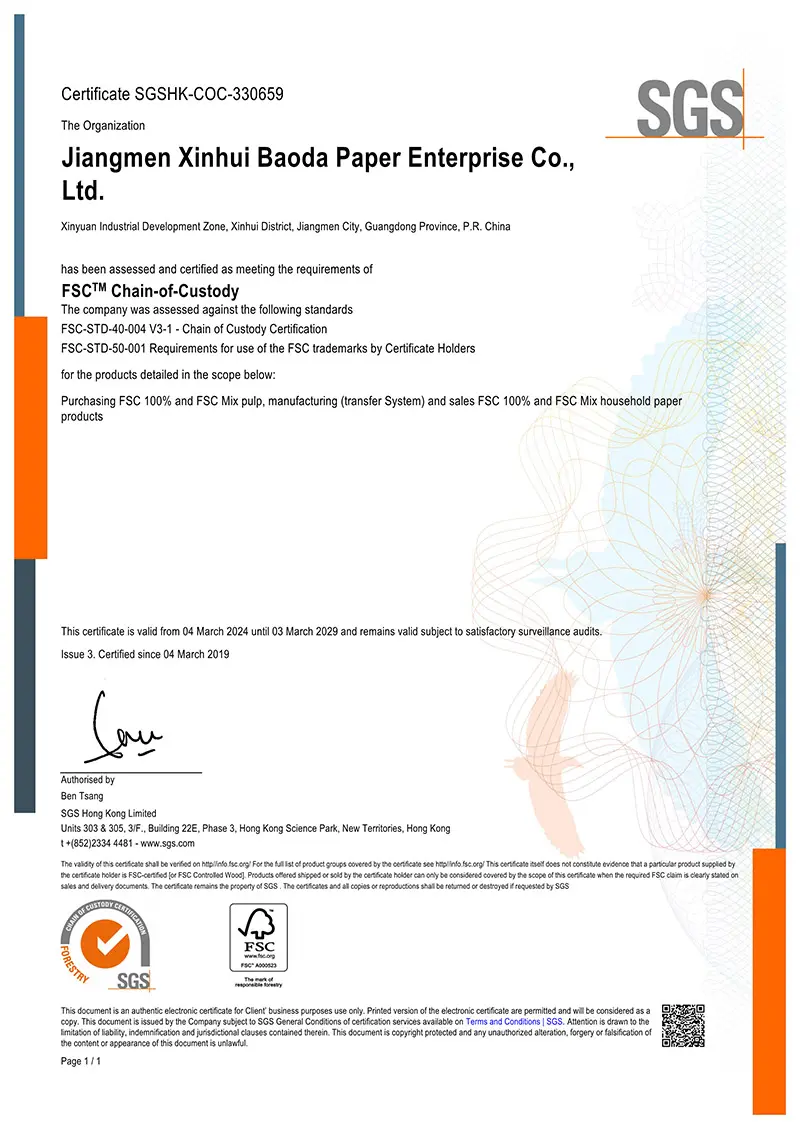
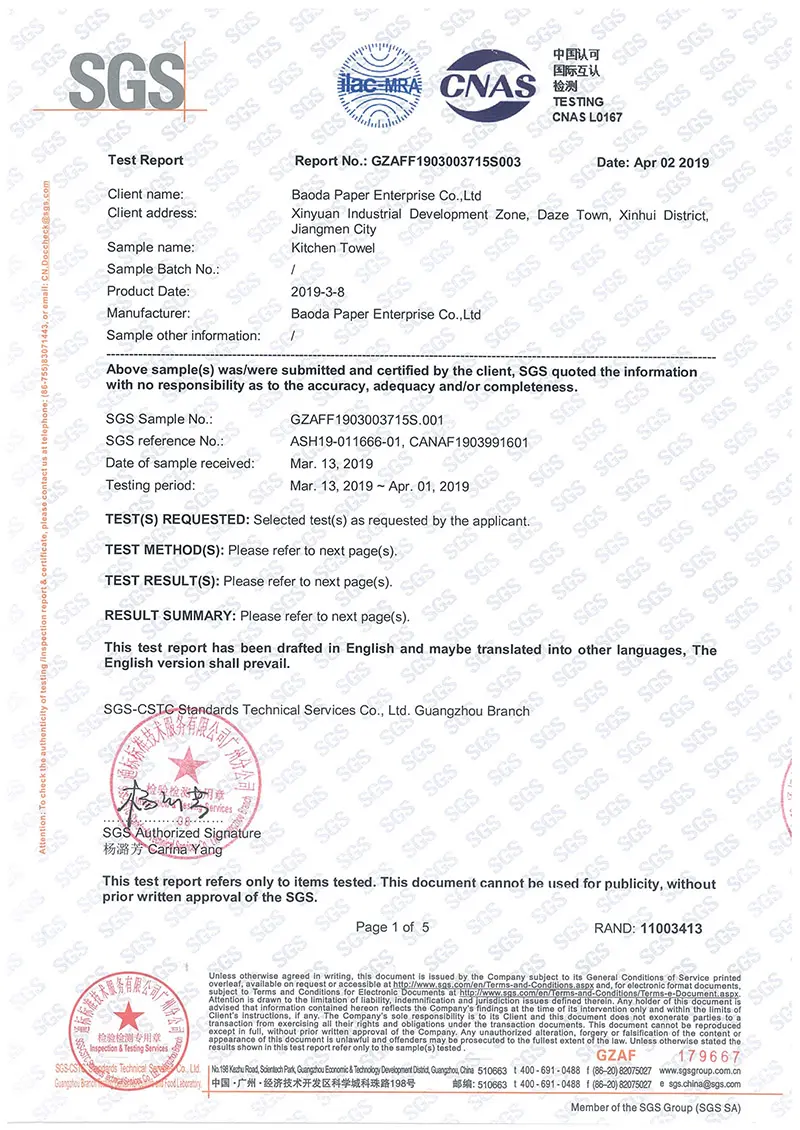
Every batch of kitchen tissue is manufactured to meet global environmental, chemical, and quality standards.
Because kitchen rolls directly contact food and preparation surfaces, material safety is a top priority. We verify that all chemical additives—including wet-strength agents, dry-strength agents, and bonding adhesives—are non-toxic, odorless, and fully compliant with international food-safety guidelines.
Our environmental commitment is supported by our forest tracking protocols. We verify that all timber fibers originate from sustainably managed forests, protecting biodiversity and supporting global conservation goals. Our facilities maintain certified quality management systems to guarantee operational safety, product traceablity, and environmental accountability.
As the global paper industry targets net-zero carbon emissions, the manufacturing technologies behind everyday products are undergoing significant updates. Baoda Paper is actively investing in new processes to reduce energy consumption while improving product performance.
Conventional paper production requires significant water volume. To improve conservation, our facility uses closed-loop recycling loops that treat and reuse up to 90% of process water. This closed-loop configuration reduces freshwater intake, minimizes wastewater discharge, and lowers the environmental footprint of each production run.
In response to global plastic reduction mandates, our technical team has developed biodegradable packaging options. We offer paper-based outer wraps and water-soluble films that replace traditional polyethylene (PE) bags, helping our retail clients meet local environmental regulations.
While virgin wood pulp remains the industry benchmark for tissue products, we continue to research alternative fiber blends. Fast-growing bamboo, agricultural residue fibers, and post-consumer recycled pulps are all being tested to expand our sustainable sourcing options.
Common questions from B2B buyers and distribution partners regarding logistics, customization, and factory operations.
For custom private label kitchen rolls, our standard MOQ is typically one 40-foot High Cube (40HC) container. This allows us to optimize production run efficiency on our high-speed rewinders and ensures cost-effective ocean freight rates for our partners.
All raw wood pulps are sourced from certified forests and undergo processing without elemental chlorine bleaching (ECF). All structural adhesives and wet-strength agents used in production are food-contact safe and meet strict international regulatory standards.
Yes. We offer several standard embossing patterns—including nested, point-to-point, and deco designs. For large contract runs, we can also design and build custom embossing rollers to match specific branding and texture preferences.
We use automated optical inspection systems on our rewinding and converting lines to monitor for structural defects, tearing, or basis weight deviations in real time. In addition, our quality control lab pulls production samples every hour to test and document wet-tensile strength and absorbency levels.
Initial orders requiring custom packaging design and plate making typically ship within 30 to 45 days. Repeat orders with established designs generally ship within 20 to 30 days from our warehouse facility.
Complete your sourcing list with our certified tissue configurations, manufactured under strict quality controls.
 BAODA PAPER