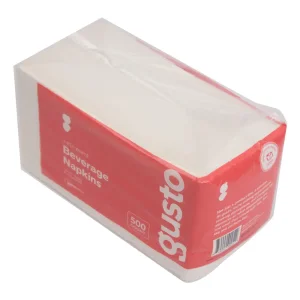
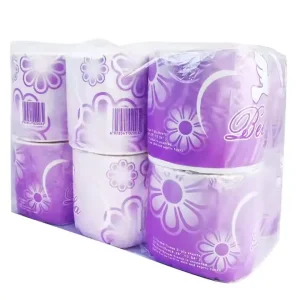
Premium OEM/ODM Tissue, Napkin, & Quilted Toilet Paper Selections direct from our Automated China Manufacturing Facilities
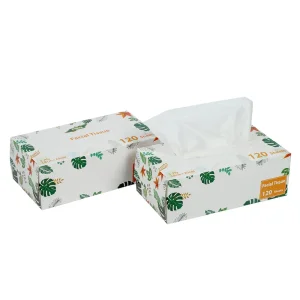
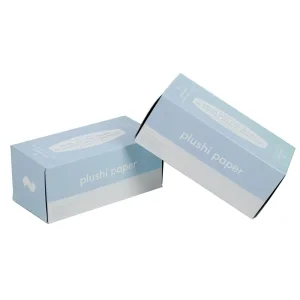
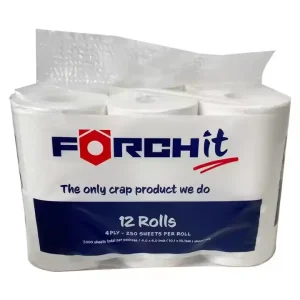
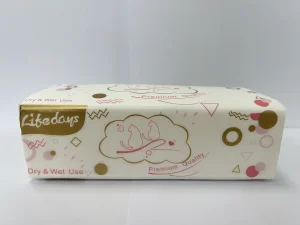
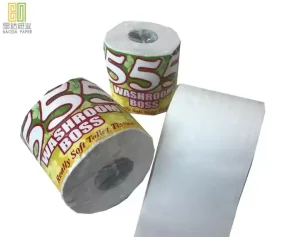
An Analysis of Multi-Layer Cushion Technology, Fiber Optimization, and International Procurement Parameters
In the highly competitive consumer sanitary paper landscape, quilt toilet paper represents a critical intersection of structural engineering and material science. Unlike standard single-ply or plain two-ply tissue, quilted paper incorporates targeted physical micro-embossing. This creates three-dimensional pockets between ply layers, designed to trap air. The mechanical result is a significant increase in perceived bulkiness, thickness, and liquid absorption capacity without proportionally expanding the raw fiber weight. This makes it a popular product class for premium and ultra-premium brand tiers across North America, Europe, and Oceania.
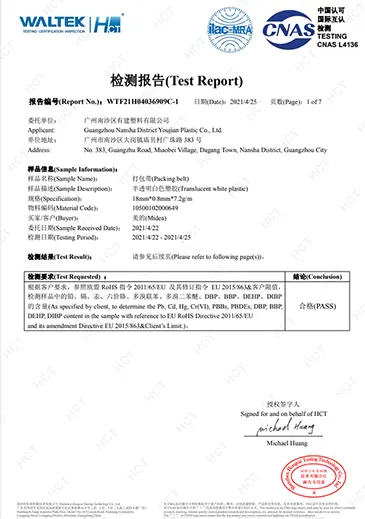
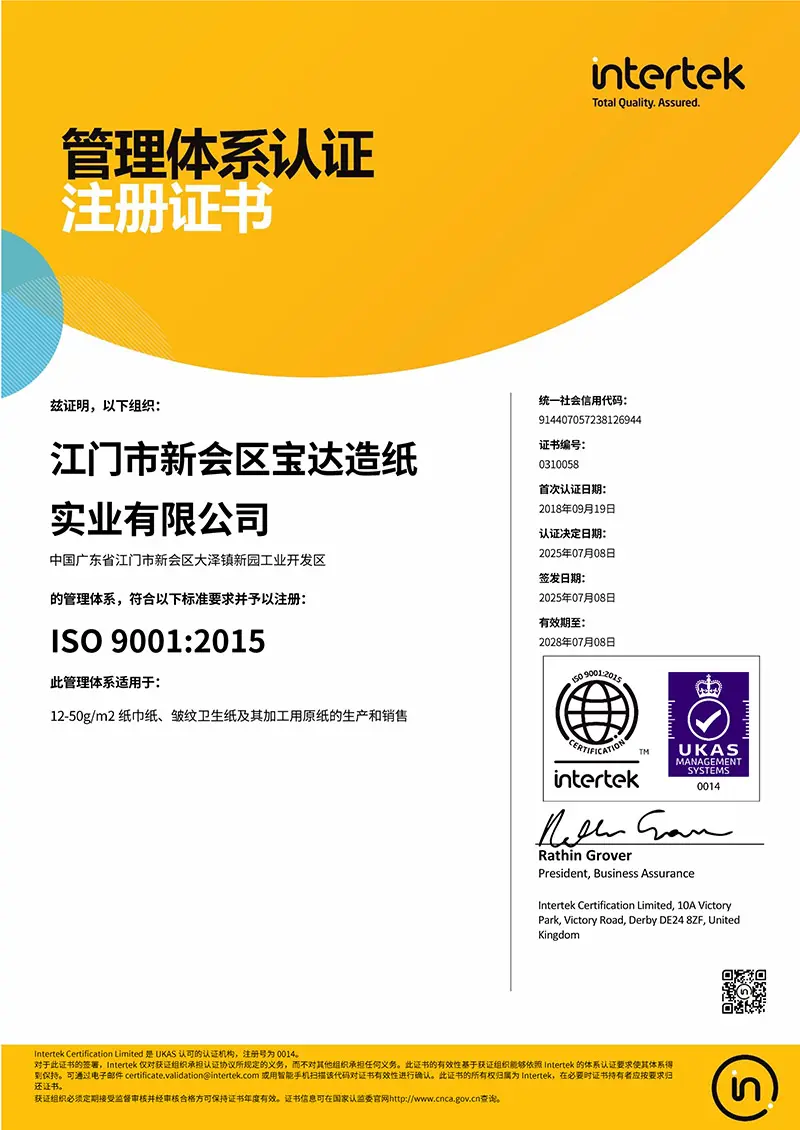
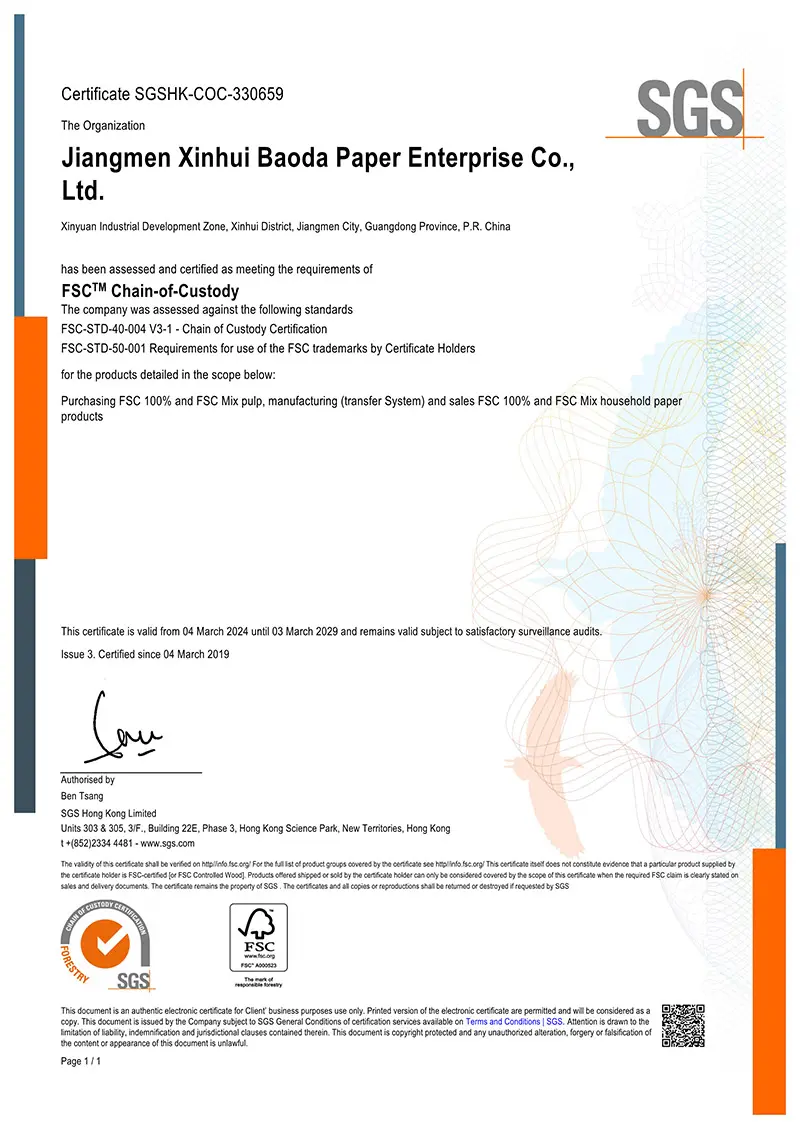
Global procurement teams face challenges balancing bulk feel, roll firmness, and sheet tensile strength under tight cost-per-sheet metrics. As a result, sourcing managers rely heavily on OEM/ODM partners in China. These manufacturers leverage scaled chemical formulations, high-speed automated machinery, and advanced embossing calenders. They produce high-performing toilet tissue that meets FSC, ISO 9001, and strict environmental parameters.
SEO Insight & Information Gain Strategy: Modern search engines prioritize content that demonstrates real-world expertise and provides deep, data-driven insights. For global procurement officers, evaluating a "China Quilt Toilet Paper Factory" requires a detailed understanding of fiber chemistry, embossing calenders, and international logistics. This white paper breaks down the technical details of quilted toilet paper production to help make informed sourcing decisions.
The "quilt" in high-end toilet tissue is not purely aesthetic. It is achieved through precision-engineered embossing rolls that use either steel-to-rubber or steel-to-steel patterns. When multiple plies of web paper pass through these high-pressure nips, they undergo localized deformation. The resulting quilted patterns—often shaped as wavy diamonds, floral matrices, or custom brand marks—serve two primary functions:
Understanding the balance of structural integrity, softness, and absorption metrics
| Technology Type | Capillary Space (Air Volume) | Dry/Wet Tensile Retention | Bulk Density Yield | Ideal Sourcing Verticals |
|---|---|---|---|---|
| Flat/Non-Embossed | Negligible (Low) | Excellent (>85%) | Low (High Density) | Commercial JRT, Low-cost institutional bids |
| Micro-Embossed (Quilted) | High (Maximized Air Pockets) | Very Good (80% - 90%) | High (Fluffy Touch) | Premium consumer retail, Private labels, Hospitality |
| Point-to-Point Embossed | Moderate-High | Good (75% - 85%) | Medium-High | Multi-ply kitchen towels, Industrial wipes |
| Point-to-Flat (Nested) | Extremely High | Moderate (70% - 80%) | Very High | Ultra-premium retail, specialized medical tissues |
The consumer sanitary market is moving toward premium, multi-ply solutions. In mature markets like North America and Western Europe, consumer demand for standard single-ply or basic double-ply tissue is declining. Buyers now expect a comfortable, premium experience, driving the growth of 3-ply and 4-ply quilted toilet paper. This trend is fueled by increased urban disposable income and a growing focus on hygiene and personal care.
In B2B sectors, high-end hospitality chains, executive offices, and luxury healthcare facilities are shifting their purchasing strategies. Buying cheap tissue can hurt customer satisfaction scores. Instead, procurement teams look for quilted rolls with high sheet-count integrity, elegant embossed patterns, and premium packaging. This presents a strong value proposition for distributors offering private-label OEM alternatives that match national brand quality at a lower cost.
Sustainability is another key market driver. Today's commercial buyers require suppliers to show clear chain-of-custody documentation. Using FSC (Forest Stewardship Council) certified 100% virgin wood pulp, bamboo pulp, or clean recycled fibers is no longer just an option—it is a baseline entry requirement for European and North American retail distribution networks.
China is a leading hub for quilted toilet paper manufacturing. Chinese factories leverage deep industrial integration and advanced infrastructure. They manage the entire value chain, from raw pulp import and formulation chemistry to high-speed winding, embossing, and automated cartoning. This high level of integration keeps manufacturing costs competitive, even when importing premium wood pulp from South America or Northern Europe.
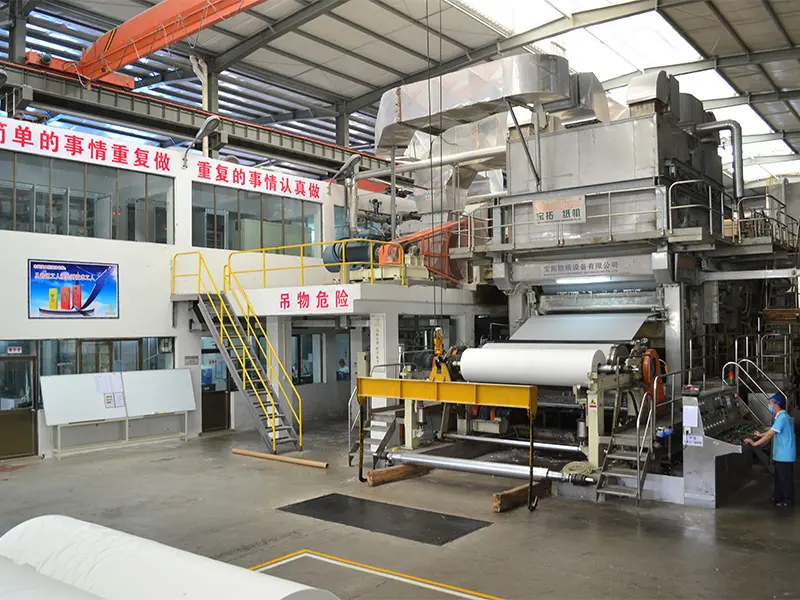
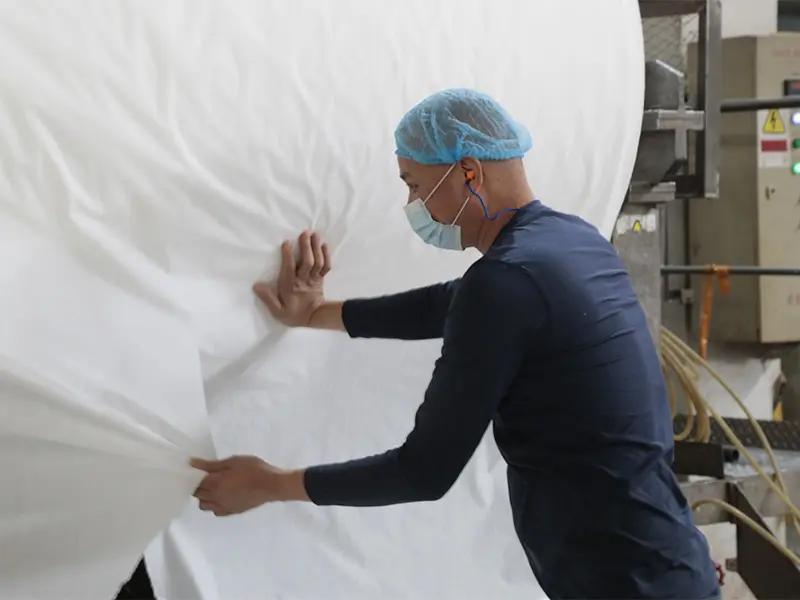
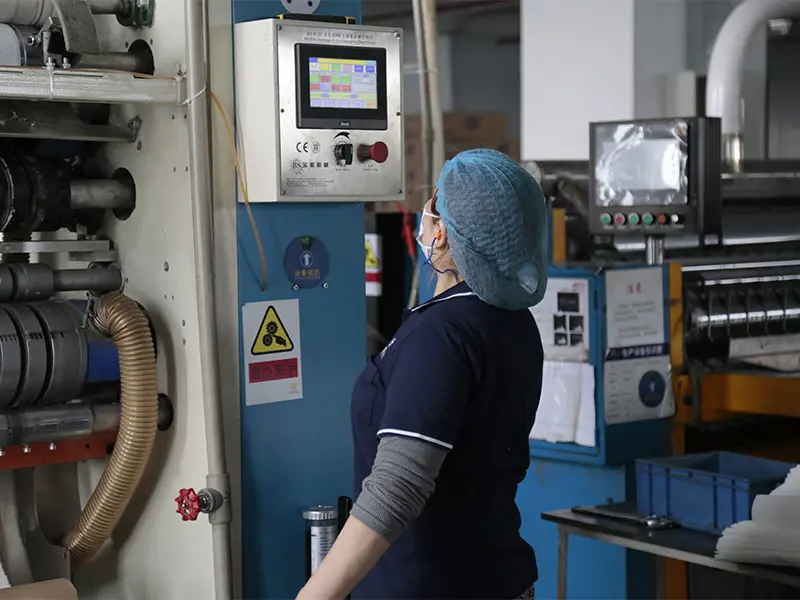
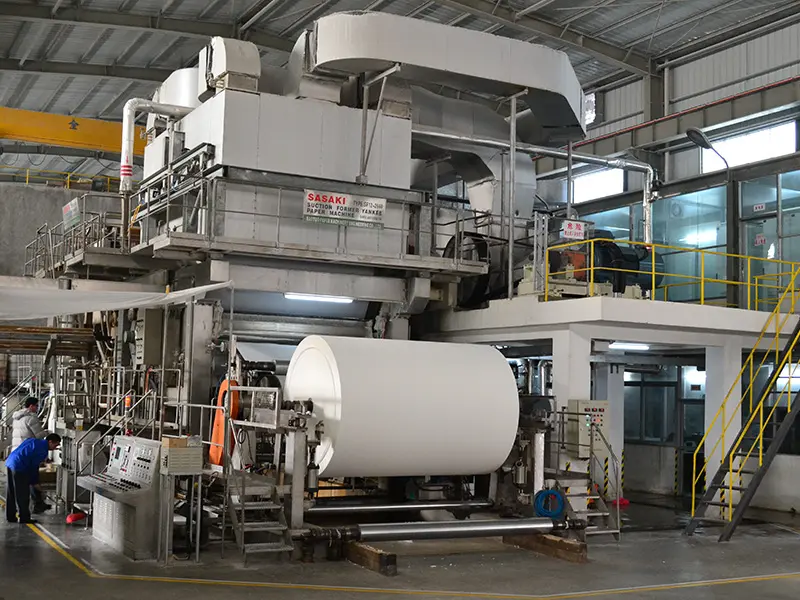
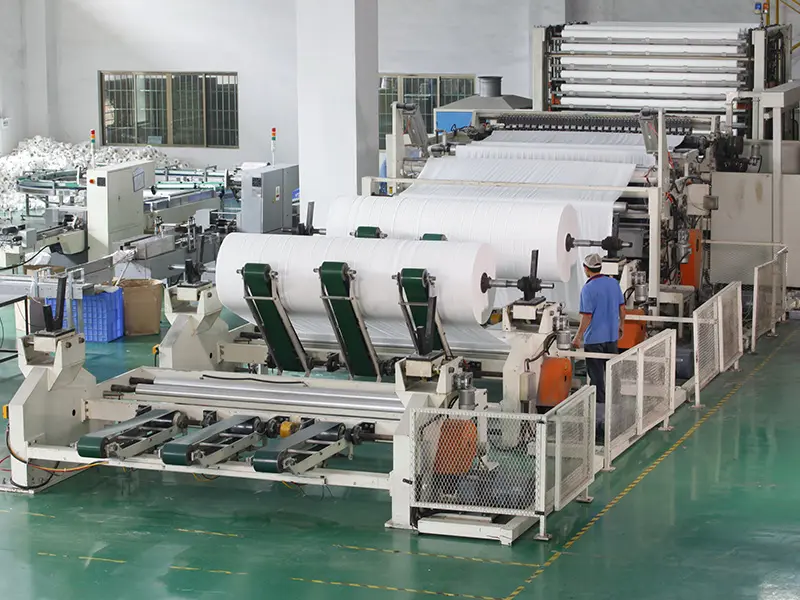
Advanced Chinese factories deploy high-width Crescent Former paper machines alongside computerized slitter-rewinders and embossing stations. These systems process parent rolls at speeds of up to 2,000 meters per minute. They maintain precise tension control, ensuring the quilted sheets have uniform thickness, consistent perforation strength, and balanced ply alignment. Automated packaging lines can wrap, box, and palletize thousands of rolls per hour with minimal human contact. This guarantees clean sanitary conditions and consistent product quality.
Responsibly sourced pulp from sustainably managed forests ensures strong fibers, natural brightness, and excellent absorption capacity.
Advanced calenders create dynamic, high-def embossed textures that lock multi-ply structures together without tearing or separating.
We tailor sheet dimensions, ply counts (2-ply, 3-ply, 4-ply), roll density, embossing patterns, and retail packaging to match your brand requirements.
Sanitary paper products must perform across different environmental and infrastructure conditions. In damp or humid regions, quilted toilet paper requires balanced wet tensile strength to prevent premature tearing before use. In contrast, in areas with older plumbing networks or municipal septic tanks, rapid water-dispersal capabilities are critical to prevent line blockages. Experienced China factories formulate their tissue webs with optimized short and long fiber ratios to balance in-hand durability with fast water breakdown.
Commercial B2B buyers have specific requirements depending on the installation site. For example, high-traffic airport restrooms need high-capacity double-ply rolls, while boutique hotels prefer softer, quilted 3-ply rolls. Understanding these different requirements allows distributors to customize their inventories for maximum market appeal.
The global tissue market is evolving around three main trends: sustainability, smart manufacturing, and product customization. Brands are moving away from single-use plastic wrap toward paper band wraps and biodegradable outer bags. At the same time, factories are adopting energy-efficient drying systems (like Through-Air Drying - TAD) and water filtration loops to reduce environmental impact.
On the production side, smart factories use automated camera-based inspection systems to detect surface defects and sheet breaks in real time. This keeps quality high and minimizes waste. For custom orders, modular machinery allows factories to quickly adjust production lines, making it easier to handle smaller orders for specialized, high-margin products.
When selecting a manufacturing partner for quilted toilet paper in China, procurement teams should look beyond basic unit pricing. To ensure consistent quality and a reliable supply chain, consider these five key metrics:
A trusted China manufacturer with 27 years of expertise in global tissue production
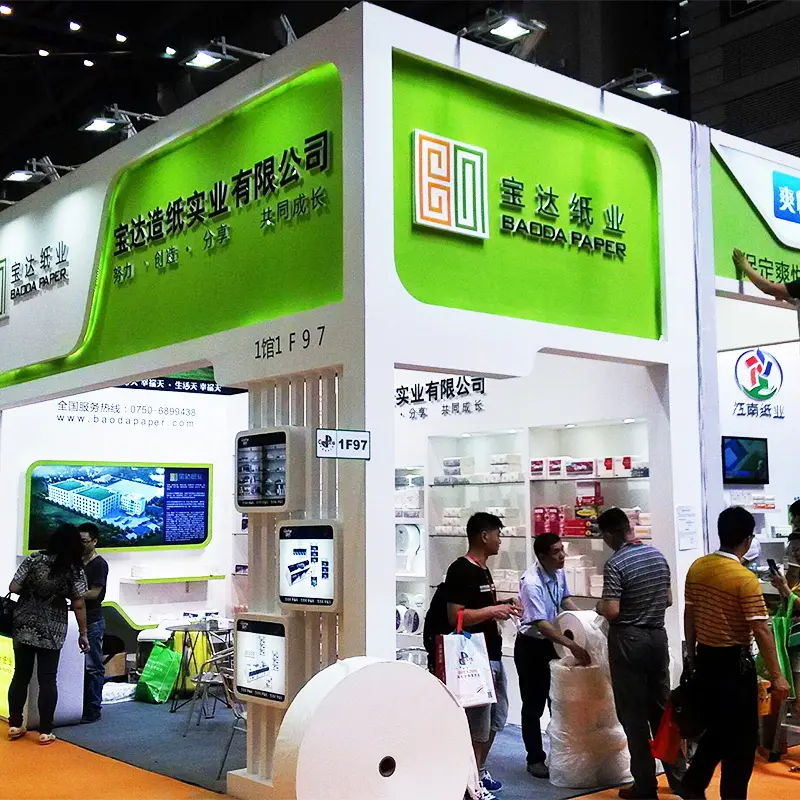
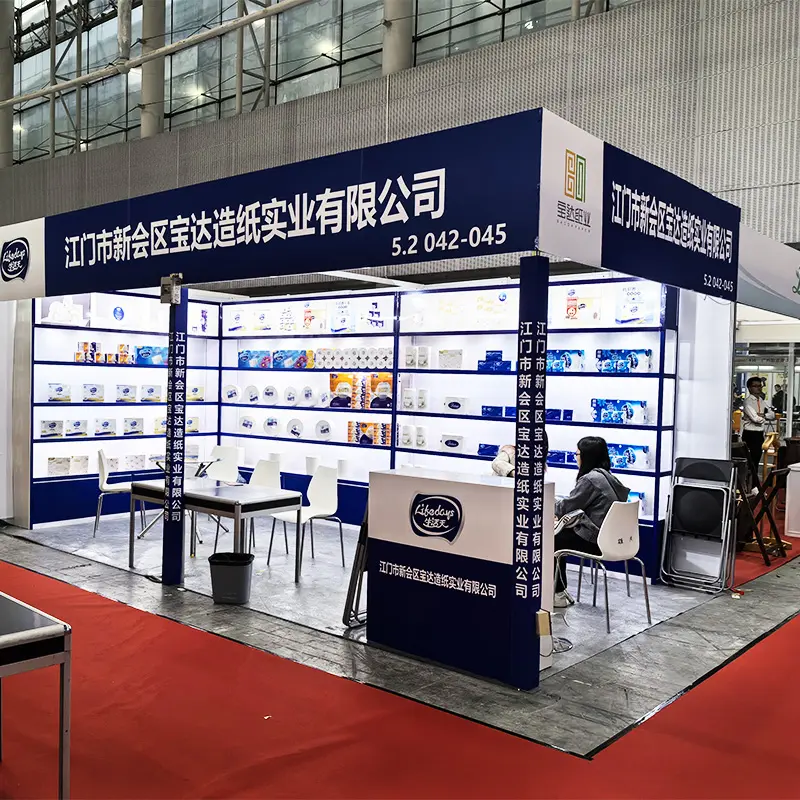
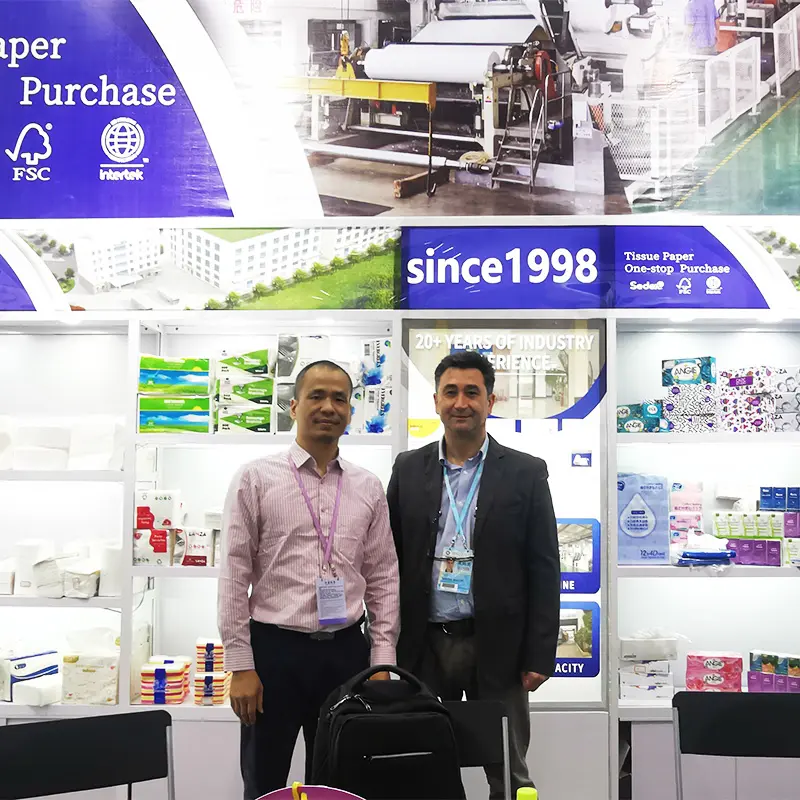
For over 27 remarkable years, since our inception in 1998, Baoda Paper Co., Ltd. has stood as an unwavering cornerstone of China's tissue paper industry, evolving from a domestic manufacturer into a globally recognized force. We have meticulously built our legacy on a formidable foundation of advanced manufacturing excellence and an unwavering commitment to quality. Our modern, sprawling complex, exceeding 20,000 square meters, is a testament to this commitment. Within its walls, we house state-of-the-art, imported high-speed paper machines and sophisticated automated processing lines. This powerful infrastructure is the engine behind our impressive annual production capacity of over 30,000 tons, enabling us to meet large-scale demands without compromising on the consistent quality that defines the Baoda name.
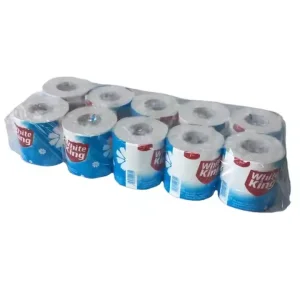
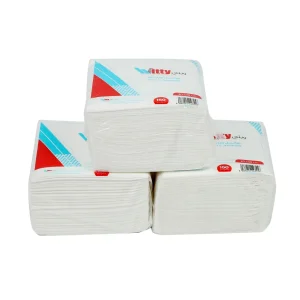
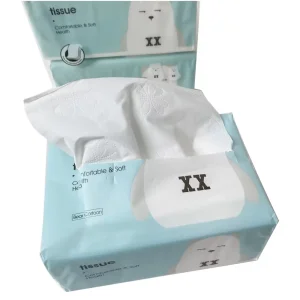
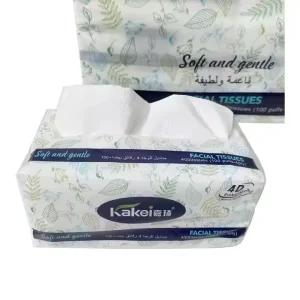
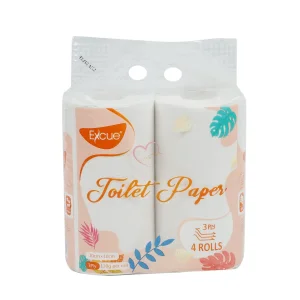
Our comprehensive and curated product portfolio is designed to provide complete one-stop solutions for diverse market needs. We offer an extensive range of products, from essential household items like premium toilet rolls, versatile kitchen towels, and soft facial tissues to convenient and hygienic pocket tissue packs for on-the-go use. Understanding the diverse paths to market success, our business model is both robust and flexible. While we proudly market three successful self-owned brands, we are also a premier partner for clients seeking to build their own product lines. We specialize in tailored ODM (Original Design Manufacturing), OEM (Original Equipment Manufacturing), and OBM (Original Brand Manufacturing) services, working collaboratively to bring our clients' unique visions and brand identities to life with precision and expertise.
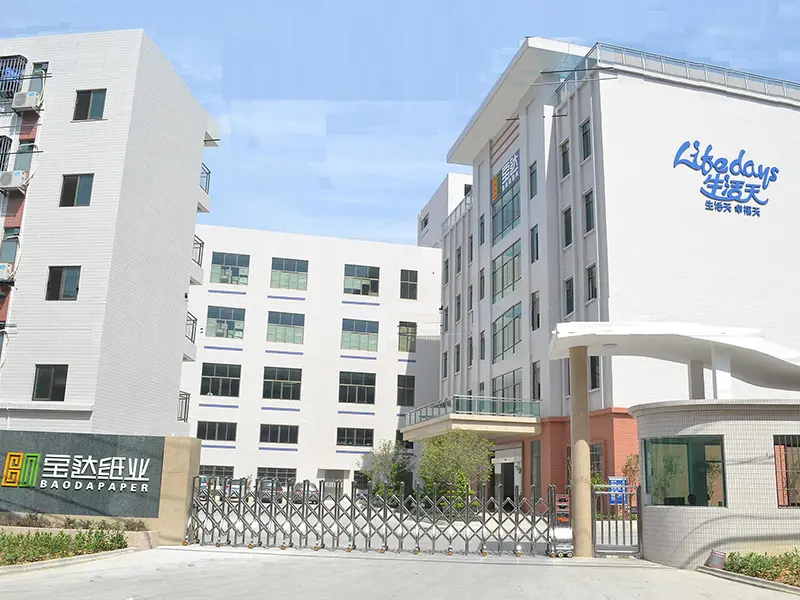
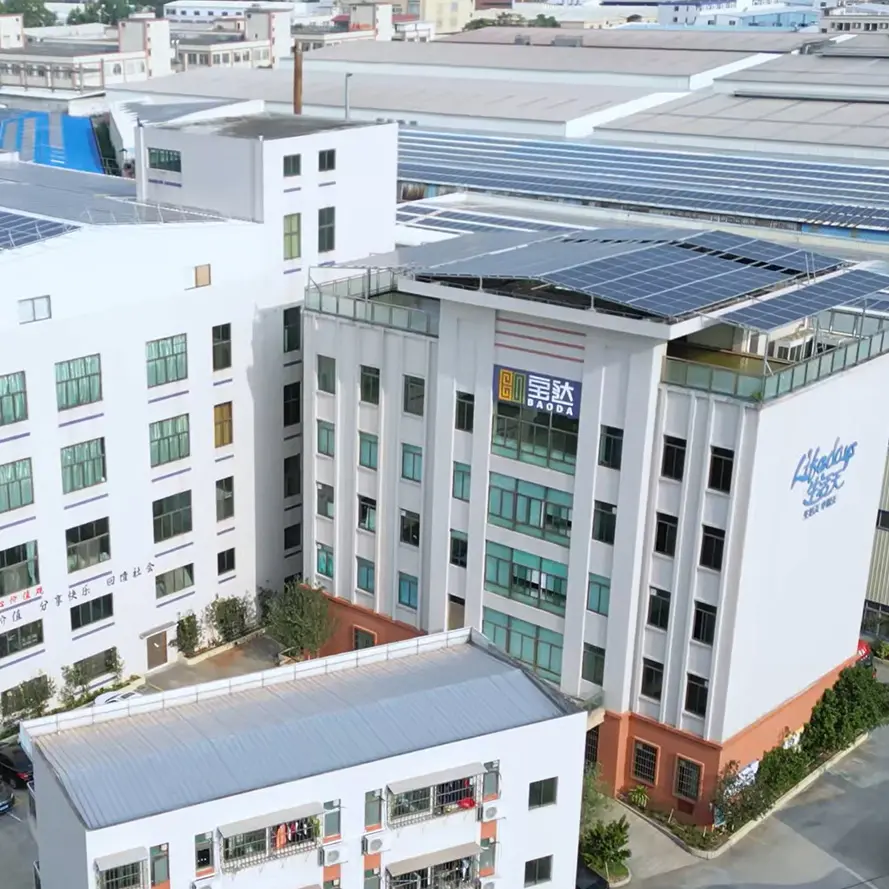
This dedication has earned us the trust of a vast network of over 10,000 global leaders in retail and distribution, including renowned giants such as Walmart and Watsons. Our high-quality products and reliable service have enabled us to build a robust international distribution network spanning more than 60 countries across the Americas, Europe, Asia, and Australia, with significant presence in key markets like the United States and Australia. Through decades of innovation and consistent delivery, Baoda Paper has become more than just a manufacturer; we are a symbol of quality, reliability, and partnership in the dynamic global tissue market.
Technical Sourcing and Specifications for Quilted Toilet Paper Procurement
Q1: What makes quilted toilet paper different from standard embossed paper?
Quilted toilet paper uses a specific multi-ply micro-embossing pattern. This creates cushion-like air pockets between the layers, which significantly increases softness and absorbency without requiring more raw wood pulp fiber. Standard embossing is often single-layered and focused primarily on aesthetic patterns rather than structural loft.
Q2: What are the standard packaging options for wholesale and retail exports?
We offer a range of packaging options to suit different markets, including individual paper wraps, multi-roll plastic packs (4, 9, 12, or 24 rolls), and bulk boxes. We also support eco-friendly options like FSC-certified paper band wraps and biodegradable outer bags.
Q3: Can the embossing pattern be customized with our company logo?
Yes. We offer fully customizable embossing rollers. During the OEM process, our engineering team can design custom steel rollers with your company logo or branding, ensuring a unique shelf presence in your target market.
Q4: How does Baoda ensure consistent quality control across high-volume runs?
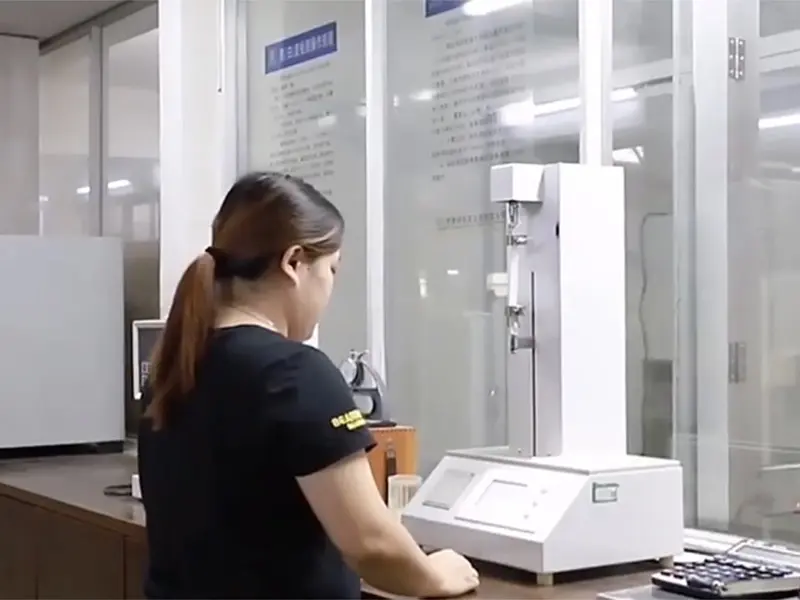
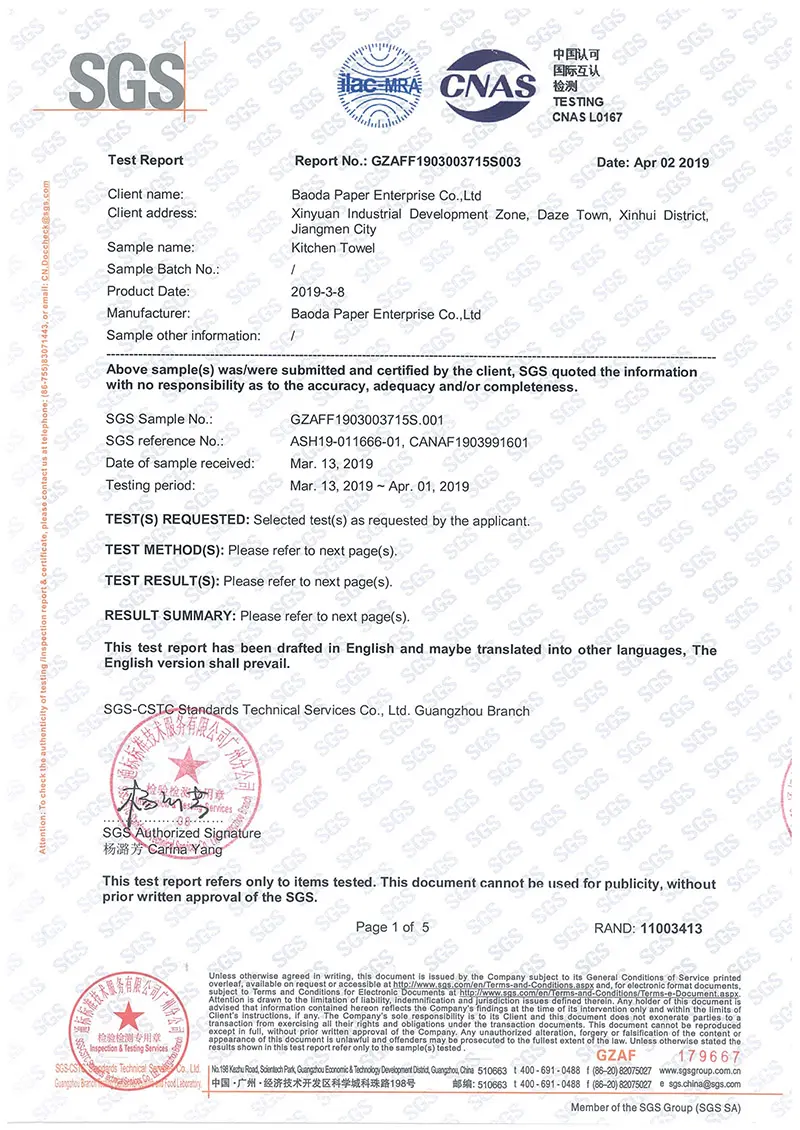
Our quality management system is certified to ISO 9001 standards. We utilize automated camera inspection systems on our rewinder lines to detect paper breaks or defects in real time. We also perform regular tests for tensile strength, GSM consistency, and moisture levels.
Q5: What is the Minimum Order Quantity (MOQ) for custom OEM orders?
Moq varies depending on the specific product specifications and packaging configurations, typically starting at 1x40HQ container to ensure cost-efficiency in production and shipping.
Q6: Do your paper products comply with environmental regulations in Europe and North America?
Yes. All our raw materials are sourced from responsibly managed forests, and we maintain active FSC certification. Our manufacturing processes also comply with international environmental standards, making our products suitable for retail in markets with strict compliance rules, including the US, Canada, EU, and Australia.
Q7: How does the septic safety profile of 3-ply and 4-ply quilted tissue compare to single-ply?
Our multi-ply quilted tissues are engineered to balance strength during use with rapid dispersal when flushed. We use long and short fiber blends that break down efficiently in water, ensuring our multi-ply rolls remain septic-safe and suitable for standard plumbing systems.
Q8: What are the lead times for custom production and port delivery?
For new OEM orders, standard lead times are typically 25 to 30 days. This includes time for packaging design approval and plate-making. Repeat orders can often be processed and delivered faster, depending on our current production schedule.
Explore our full range of institutional, commercial, and premium retail paper products
 BAODA PAPER