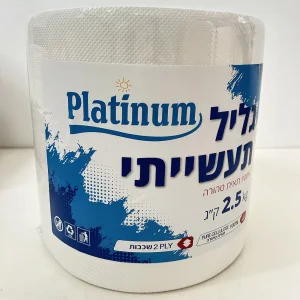
High-capacity kitchen tissue rolls, multi-ply soft pack tissues, and customized institutional hygiene products engineered for top-tier distributors.
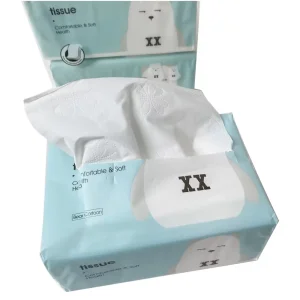
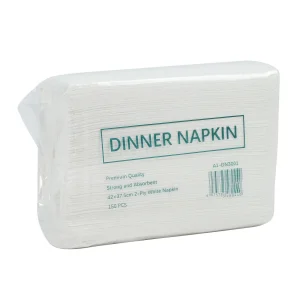
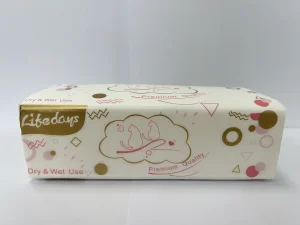

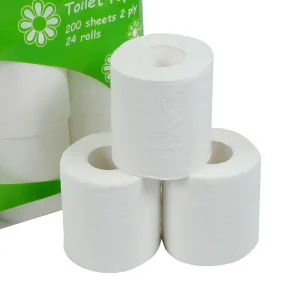
Analysis of changing dynamics in sanitation materials, raw fiber sourcing, and technical applications.
The global tissue paper industry has transitioned from a basic household commodity sector into a highly technical, multi-billion-dollar market where functional performance, raw material traceability, and manufacturing footprint play decisive roles. In both developed and developing regions, kitchen tissue paper is no longer viewed merely as a disposable luxury but as an essential element of modern hygiene protocols across residential, industrial, and HoReCa (Hotel, Restaurant, and Cafe) settings. The compound annual growth rate (CAGR) of this sector is heavily propelled by the global shift toward disposable sanitary towels that prevent cross-contamination, a key learning from public health developments over the past decade.
Modern kitchen tissue products require precise engineering. Features like wet tensile strength, dynamic water absorption speed, and oil absorption capacity are carefully calibrated using specialized chemical additives and mechanical processing. In institutional kitchens and manufacturing plants, kitchen rolls are subjected to rigorous physical tasks: wiping greasy surfaces, drying raw proteins, and absorbing industrial spills. Consequently, the demands on paper manufacturers have expanded. Enterprise buyers are looking for high-performance plies (usually 2-ply or 3-ply structures) with deep embossing patterns that lock in liquid and grease while remaining structurally intact even when fully saturated.
High-speed converting lines reduce unit manufacturing costs, allowing global distributors to secure stable retail margins amidst fluctuating shipping rates.
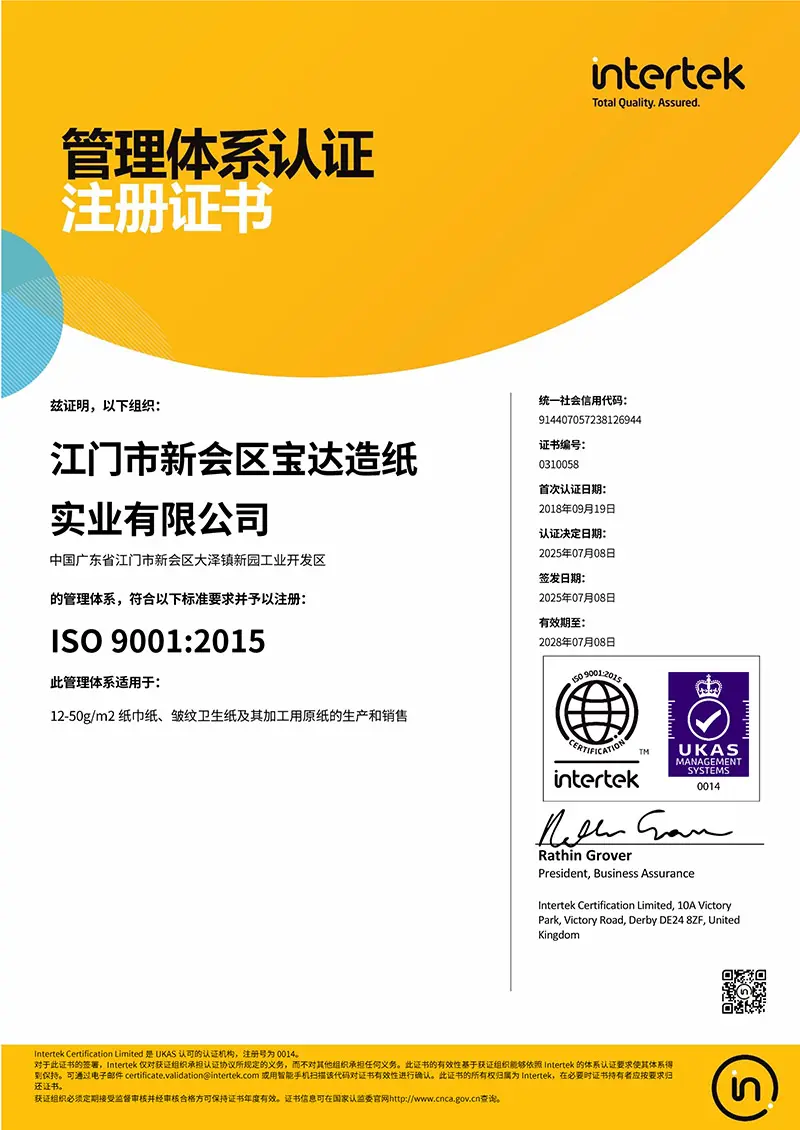
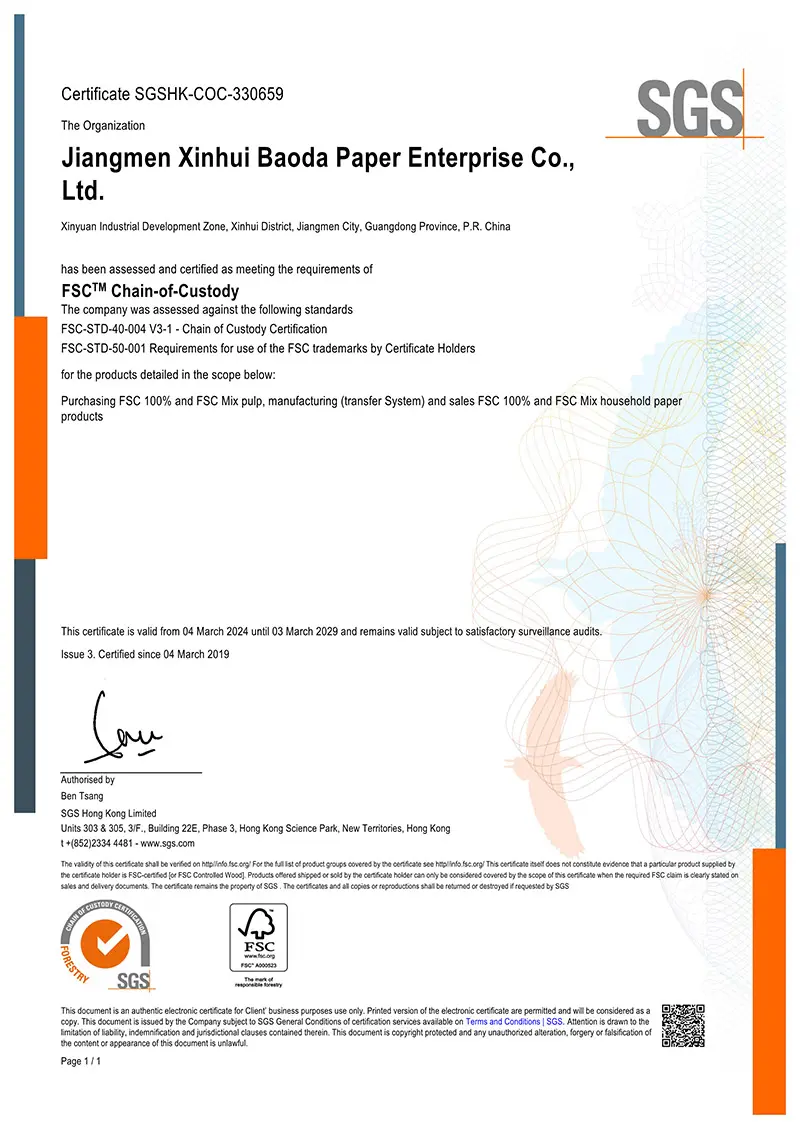
Adherence to FDA, EU food-contact regulations, FSC certification, and ISO 9001 systems ensures seamless customs clearance and safety across borders.
Innovative compression packing decreases container void space by 20%, significantly mitigating global freight overheads for international bulk buyers.
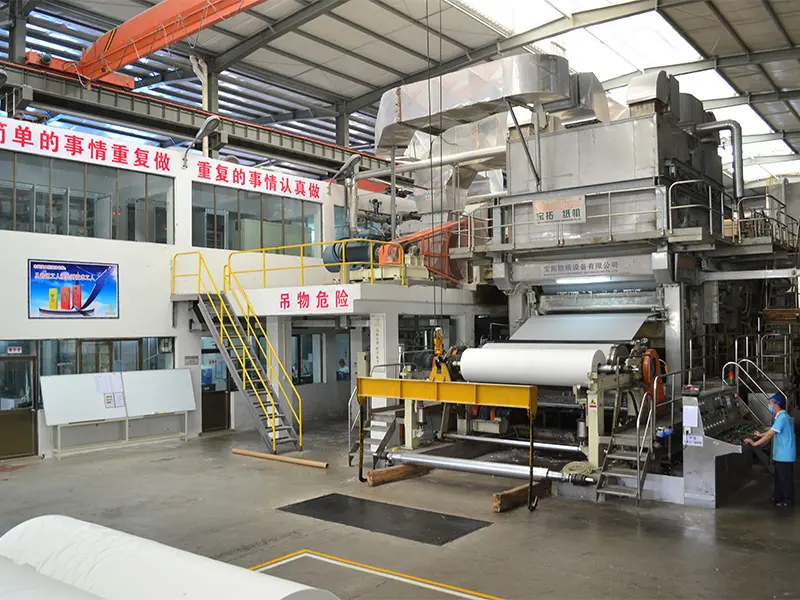
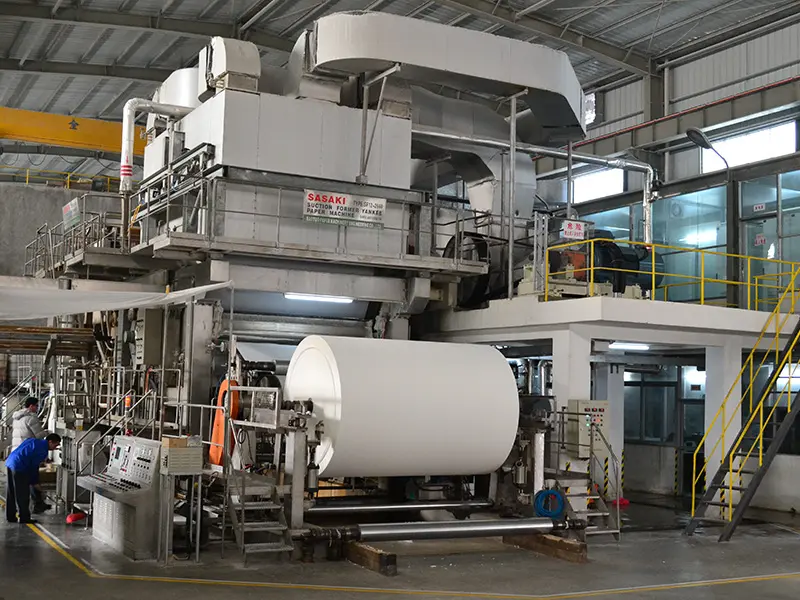
For over 27 remarkable years, since our inception in 1998, Baoda Paper Co., Ltd. has stood as an unwavering cornerstone of China's tissue paper industry, evolving from a domestic manufacturer into a globally recognized force. We have meticulously built our legacy on a formidable foundation of advanced manufacturing excellence and an unwavering commitment to quality. Our modern, sprawling complex, exceeding 20,000 square meters, is a testament to this commitment. Within its walls, we house state-of-the-art, imported high-speed paper machines and sophisticated automated processing lines. This powerful infrastructure is the engine behind our impressive annual production capacity of over 30,000 tons, enabling us to meet large-scale demands without compromising on the consistent quality that defines the Baoda name.
By blending technological integration with deep industry expertise, we produce kitchen paper products that withstand rigorous testing. Our products are exported to more than 60 countries across the Americas, Europe, Asia, and Australia, with a strong presence in key consumer markets like the United States and Australia. Our dedication has earned us the trust of a vast network of over 10,000 global leaders in retail and distribution, including renowned giants such as Walmart and Watsons.

Leveraging advanced automation, deep local supply chains, and high-capacity machinery to deliver superior products at competitive rates.
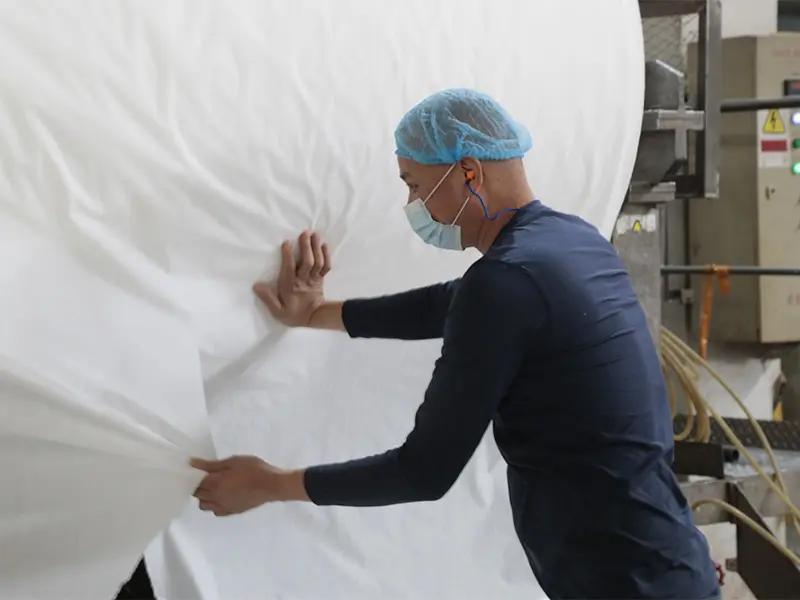
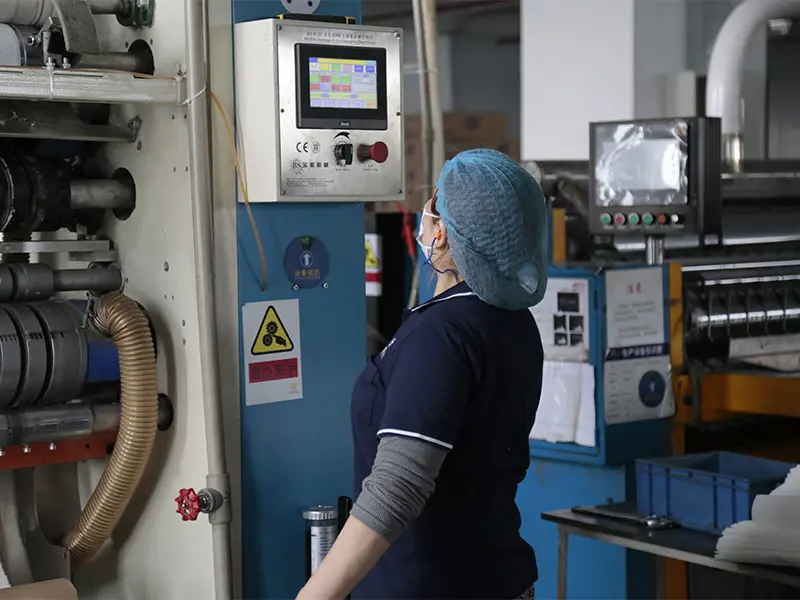
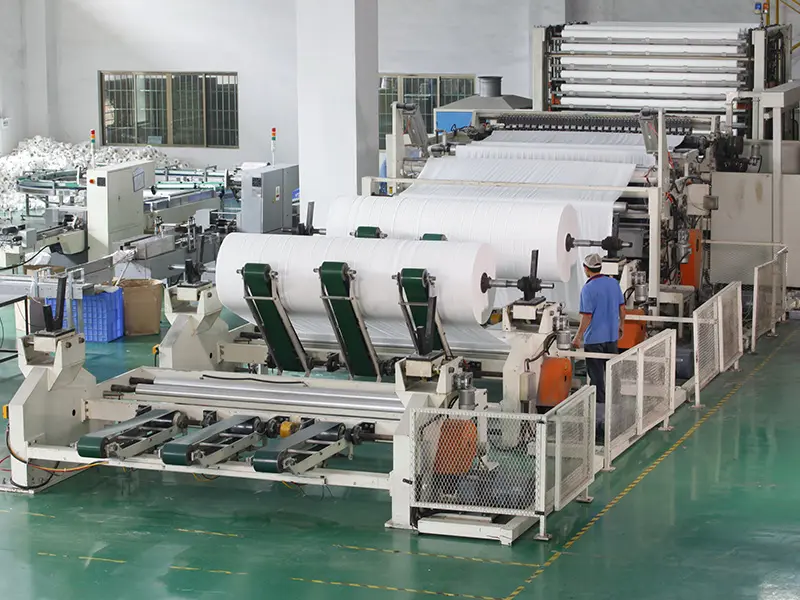
The core advantage of importing kitchen tissue paper from China lies in the country's integrated supply chain ecosystem. Unlike fragmented regional manufacturers, Chinese tissue paper factories operate near primary pulp terminals and chemical processing hubs. For Baoda Paper, this proximity minimizes raw material transit time and ensures stable pricing even during global pulp supply contractions. Our factory houses high-speed rewinder systems, automatic log saw cutters, and state-of-the-art packaging lines. This allows us to convert raw parent rolls into finished retail products in a single continuous cycle, reducing physical handoffs and eliminating potential dust and microbial contamination.
Additionally, the adoption of intelligent manufacturing system (IMS) and real-time tension control technology ensures consistent basis weight (GSM) and sheet-count accuracy. With over 27 years of optimization, we have reduced paper waste in the cutting phase to less than 1.5%, a figure significantly below the industry average. These efficiency gains translate directly into cost savings and quality consistency for our B2B customers, giving them a distinct competitive edge in their home markets.

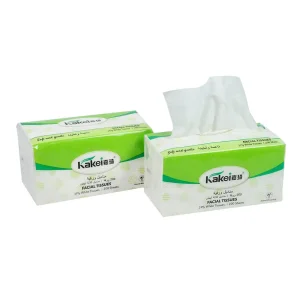
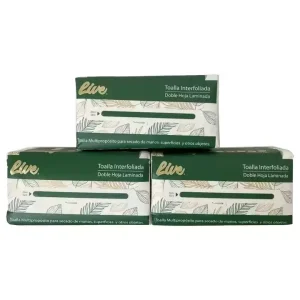
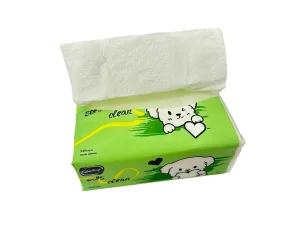
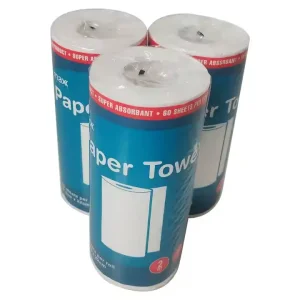
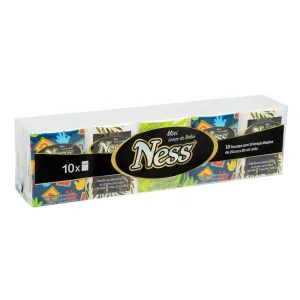
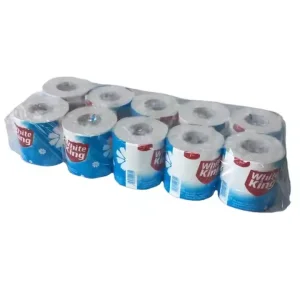
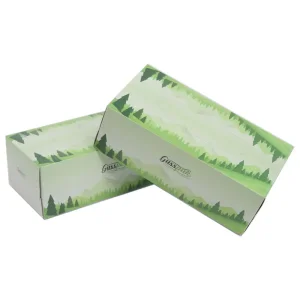
Our comprehensive and curated product portfolio is designed to provide complete one-stop solutions for diverse market needs. We offer an extensive range of products, from essential household items like premium toilet rolls, versatile kitchen towels, and soft facial tissues to convenient and hygienic pocket tissue packs for on-the-go use. Understanding the diverse paths to market success, our business model is both robust and flexible. While we proudly market three successful self-owned brands, we are also a premier partner for clients seeking to build their own product lines. We specialize in tailored ODM (Original Design Manufacturing), OEM (Original Equipment Manufacturing), and OBM (Original Brand Manufacturing) services, working collaboratively to bring our clients' unique visions and brand identities to life with precision and expertise.
How regional compliance, consumer habits, and sustainable initiatives shape product requirements globally.
In North America and Western Europe, institutional kitchens operate under strict HACCP (Hazard Analysis Critical Control Point) systems. Kitchen tissues used in these environments must be certified safe for direct food contact. They are extensively used to drain excess oil from fried foods, cover proving dough, and dry fresh produce. The key parameter here is "low-lint" execution. Fibers shedding onto culinary plates can compromise food hygiene standards and trigger negative consumer experiences. Baoda's multi-ply kitchen paper features tightly bonded fibers that resist linting even when friction is applied to wet surfaces.
In household settings, consumer expectations focus on cost-per-sheet value and ease of disposal. Modern families increasingly prefer point-of-use dispensers like stand-alone roll holders. This requires customized kitchen roll core dimensions and clean perforation lines. A kitchen towel that tears unevenly leads to paper waste and consumer frustration. By investing in precision slitting and embossing rollers, we guarantee clean tearing along the perforation line, every single time.
The modern retail market demands eco-friendly options. High-quality virgin wood pulp from responsibly managed forests, FSC-certified fibers, and biodegradable formulations are critical. In the European Union, retailers face strict ESG mandates, driving them to prioritize suppliers who can document the carbon footprint of their manufacturing processes. Baoda Paper offers a robust selection of eco-conscious products, prioritizing closed-loop water treatment and clean bleaching methods (ECF/TCF) to support our customers' green initiatives.
Our high-quality products and reliable service have enabled us to build a robust international distribution network spanning more than 60 countries across the Americas, Europe, Asia, and Australia, with a significant presence in key markets like the United States and Australia. Through decades of innovation and consistent delivery, Baoda Paper has become more than just a manufacturer; we are a symbol of quality, reliability, and partnership in the dynamic global tissue market. This dedication has earned us the trust of a vast network of over 10,000 global leaders in retail and distribution, including Walmart and Watsons.
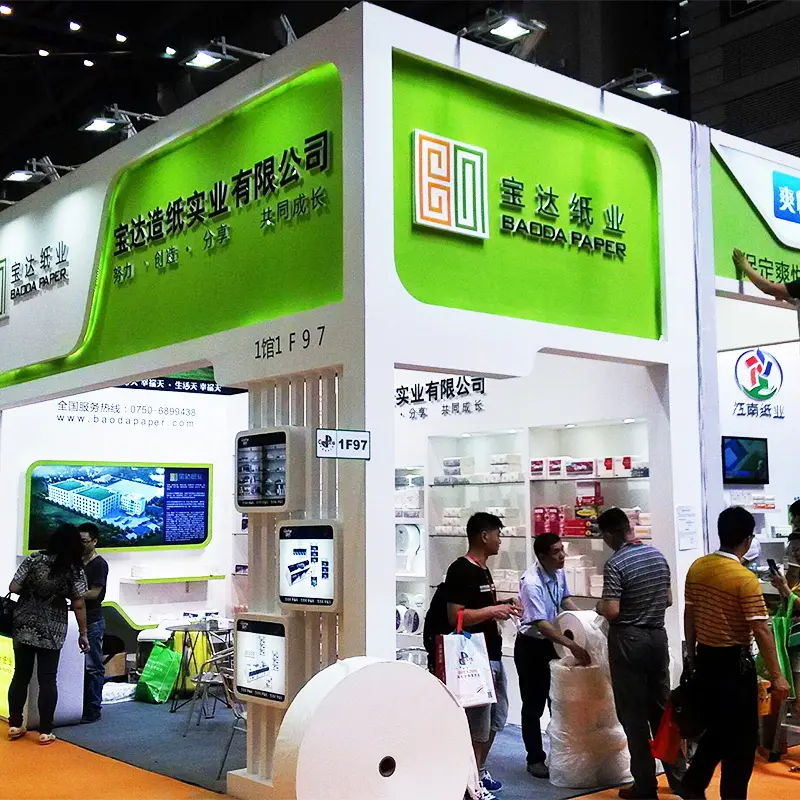
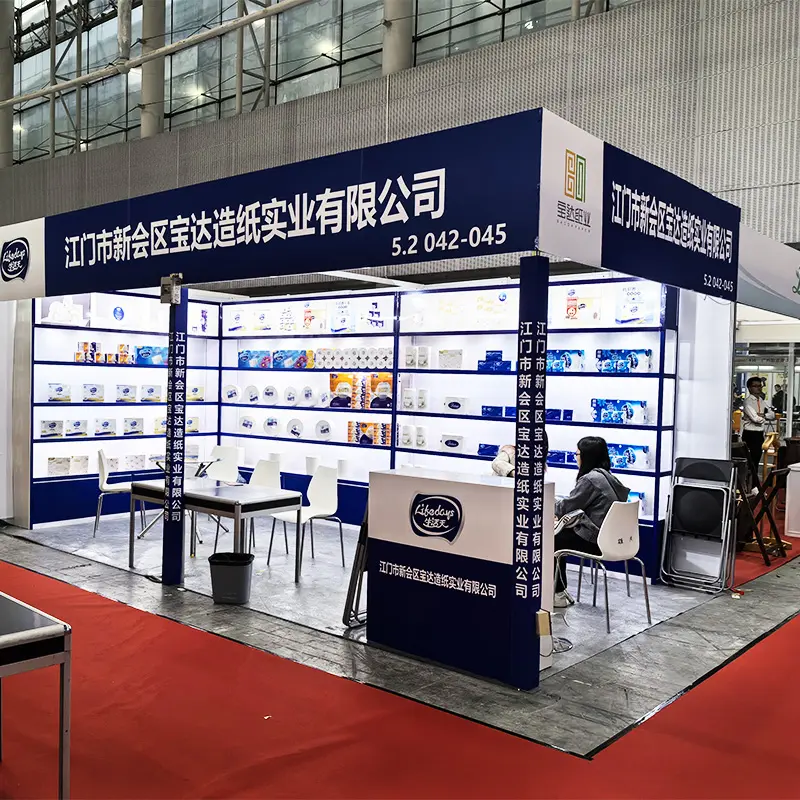
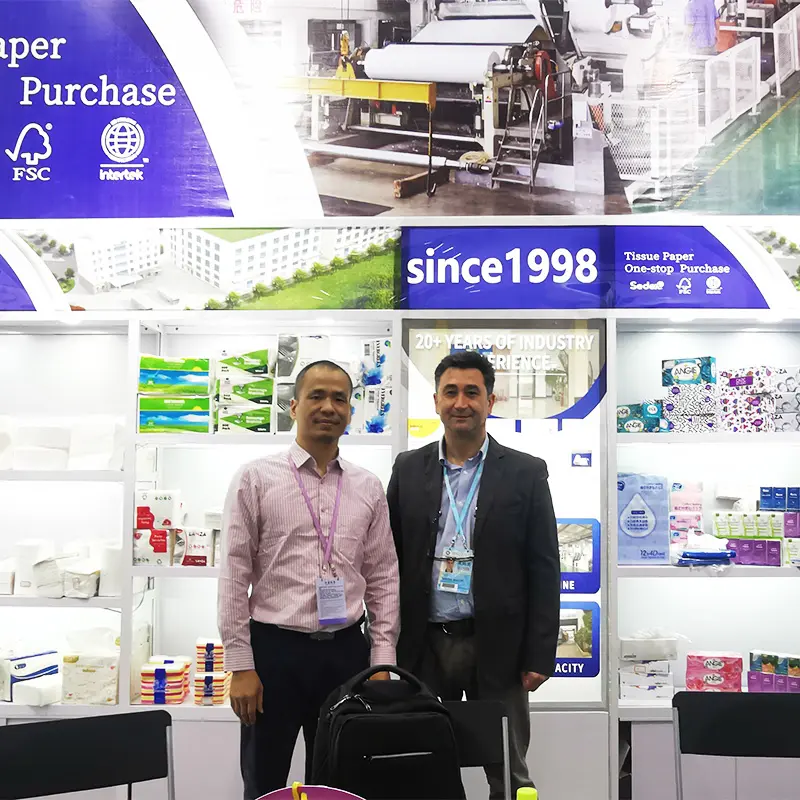

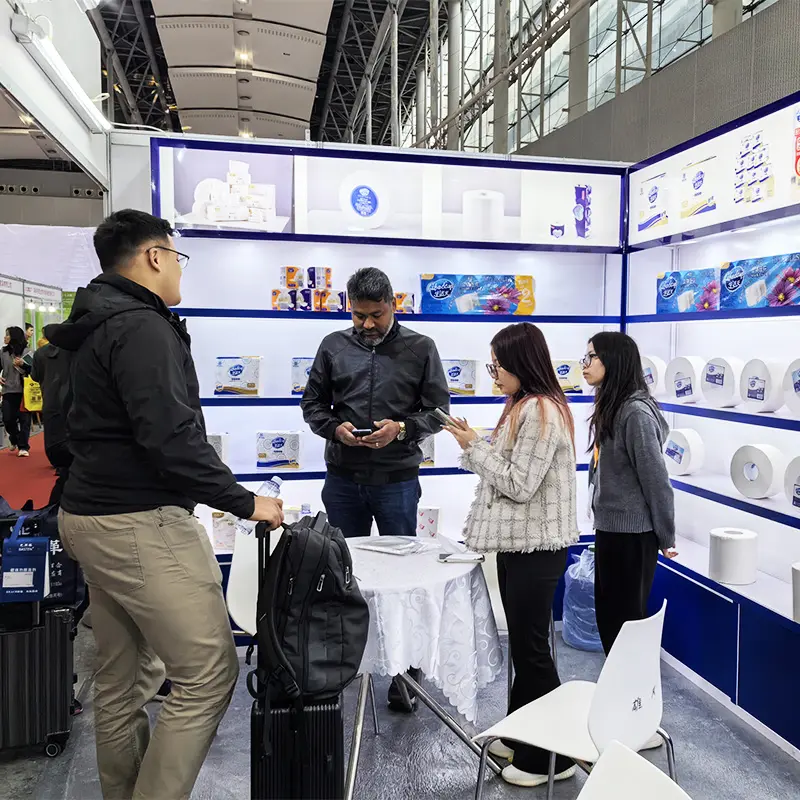
Verified credentials, testing standards, and quality management frameworks that guarantee global reliability.
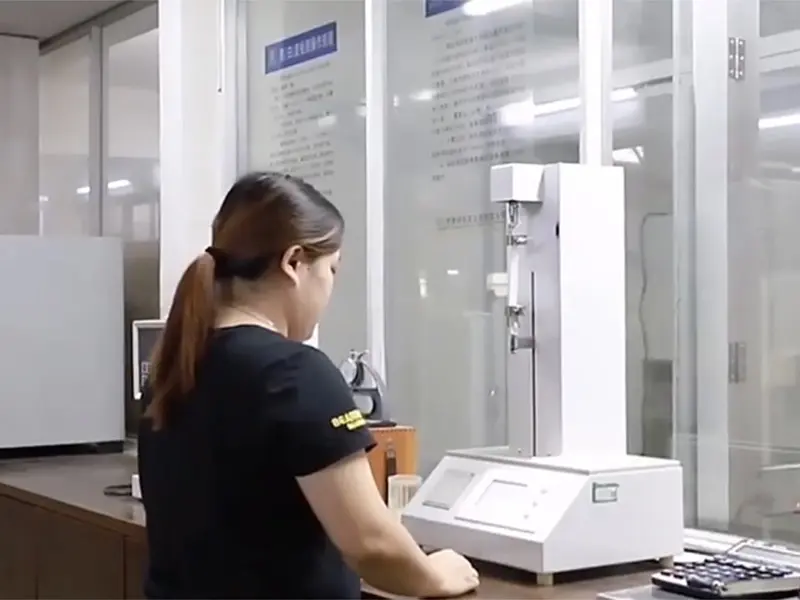
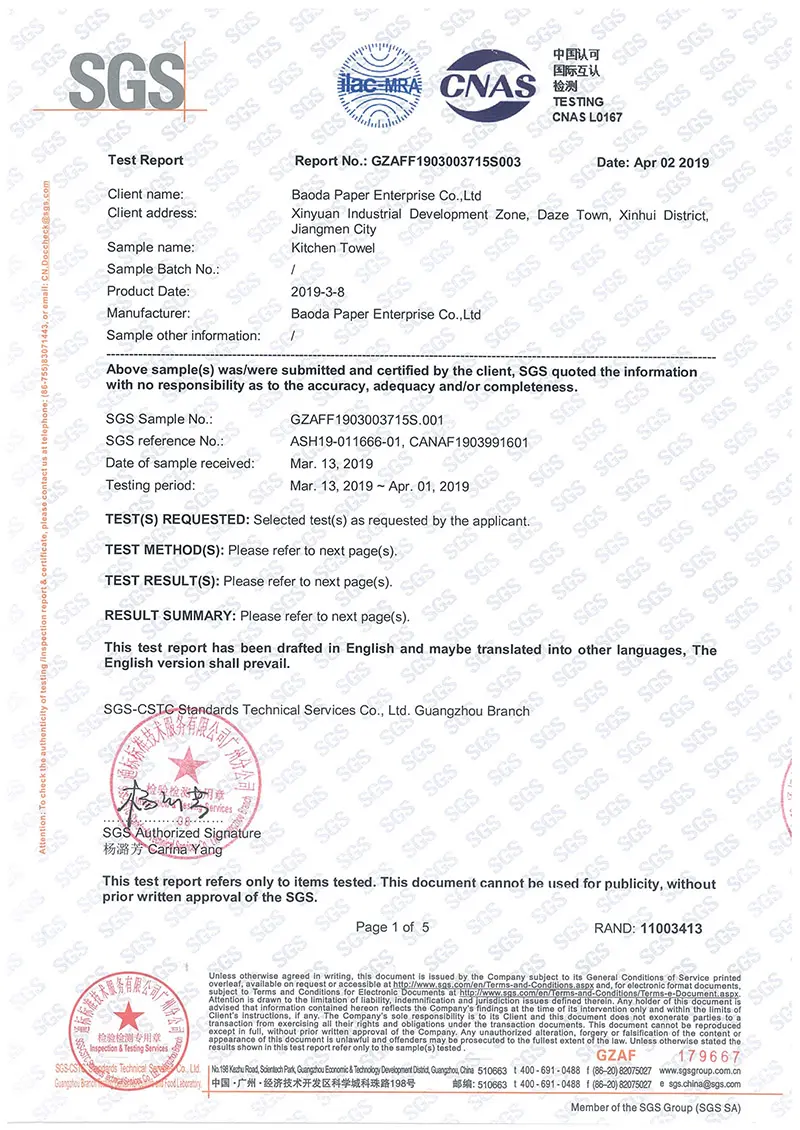
To maintain our position as a preferred partner for global retail brands, Baoda Paper operates under rigorous, internationally recognized auditing schemes. We continually subject our factory and products to third-party verification to meet the high compliance standards required by markets like North America, Japan, and the European Union.
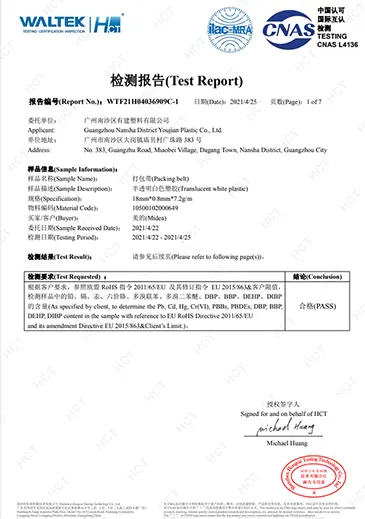

Insightful risk mitigation and optimization practices for supply chain managers sourcing from China.
Purchasing tissue paper at a global enterprise level requires careful attention to more than just unit prices. Procurement managers must evaluate the total cost of ownership (TCO), which includes shipping costs, tariff codes, lead times, and the risk of product deformation during long-haul sea freight. Soft goods like tissue rolls are highly sensitive to humidity and physical crushing. If the packaging lacks sufficient barrier properties, moisture can compromise the structural integrity of the paper during transit, resulting in mold or crushed cores that cannot be loaded onto automated packaging lines.
At Baoda Paper, we use high-strength, moisture-resistant master cartons and durable pallet wrapping. This ensures that every container, whether bound for Chicago, Sydney, or Hamburg, arrives in pristine, retail-ready condition. Our team works closely with major ocean carriers to secure space, optimize container load plans, and provide transparent tracking updates, reducing delivery risk and ensuring a predictable supply chain.
Choose between 100% virgin wood pulp for maximum absorption, bamboo pulp for sustainability-minded brands, or recycled pulp for cost-sensitive retail programs.
Specify micro-embossing or macro-embossing patterns. Deeper embossing creates air pockets that increase liquid absorption capacity by up to 50% per sheet.
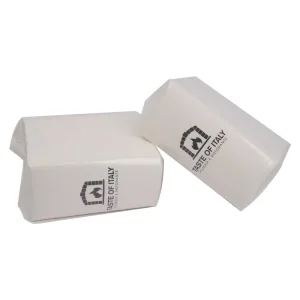
From custom-printed outer poly wraps to specialized cardboard display boxes, choose retail solutions tailored to your regional store formats and logistics configurations.
Technical answers to help buyers evaluate custom tissue manufacturing capabilities and quality control processes.
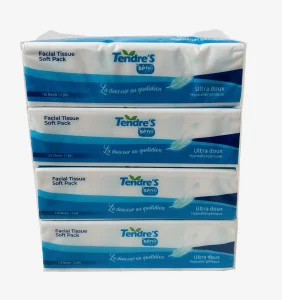
Expanded list of professional products from pocket pack tissues to commercial hand roll systems.
 BAODA PAPER