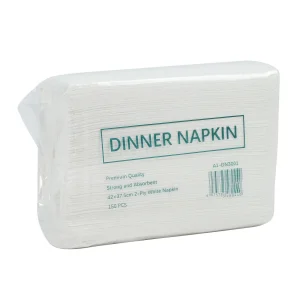
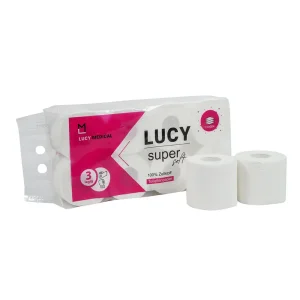
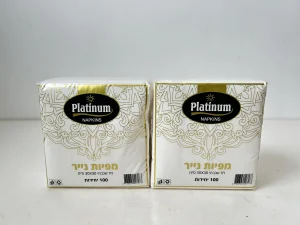
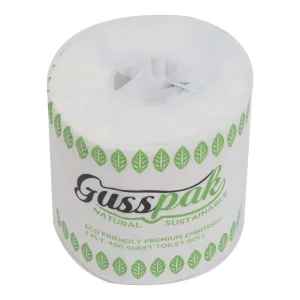
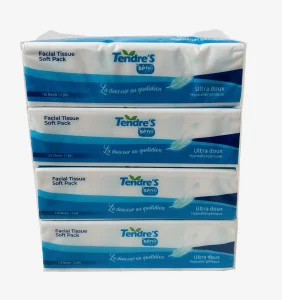
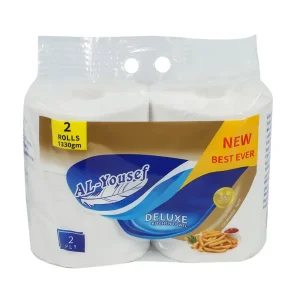
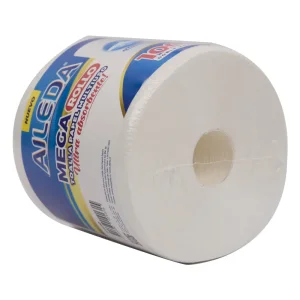
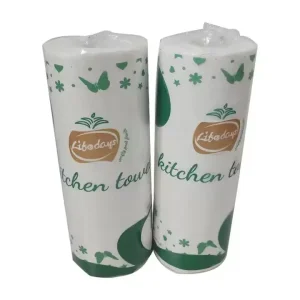
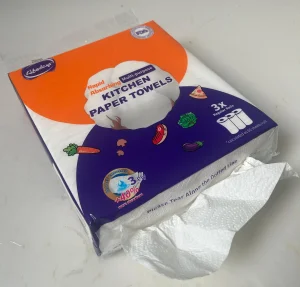
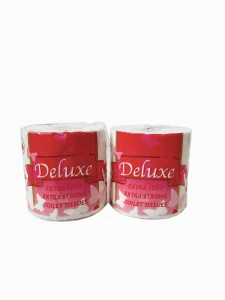
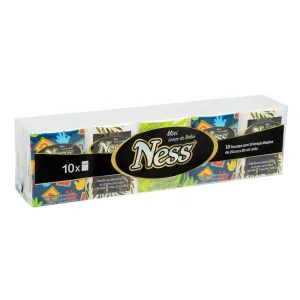
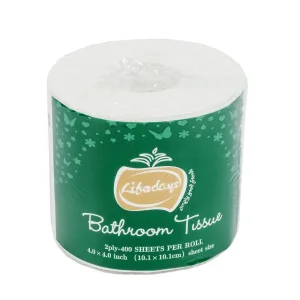
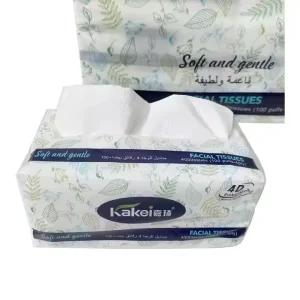
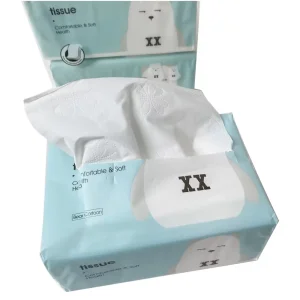
Explore our premium product line manufactured with precision technology, designed for global distributors and high-volume tissue converting enterprises. Utilizing raw virgin pulp and engineered recycled fibers to match complex client specifications.
In the global converting and tissue manufacturing industries, the kitchen roll tube (alternatively known as a kitchen paper core or spiral-wound cardboard tube) functions as the structural backbone of consumer tissue products. While frequently overlooked by retail end-users, the kitchen roll tube dictates the integrity, shelf-stability, and processing performance of high-volume tissue production. Worldwide demand for engineered paperboard cores has intensified, fueled by the rapid growth of the consumer tissue market, commercial hygiene services, and strict sustainability mandates that require a departure from non-recyclable structural materials.
The manufacturing of kitchen roll tubes is a highly specialized discipline. Unlike general-purpose cardboard cylinders, kitchen roll cores must withstand radial forces during high-speed rewinding and subsequent transport, warehousing, and automated packaging. Any structural failure, cross-sectional deformation, or moisture-related warping can cause significant bottlenecks in automatic packaging lines. Because of this, global tissue converters require partners who can supply consistently engineered, structurally sound paper cores that meet tight dimensional tolerances.
The push for plastic-free packaging has accelerated the adoption of high-performance paper cores. Multi-billion dollar FMCG corporations are transitioning to 100% biodegradable and recyclable cores to meet Scope 3 emissions reductions, positioning high-grade paper tubes as a critical component of circular packaging ecosystems.
Modern winders run at speeds exceeding 800 meters per minute. Cardboard tubes must feature zero ovality variance, exact core internal diameters (ID), and high crush resistance to ensure that high-speed web tension does not collapse the tube during primary winding operations.
Our engineering research focuses on optimizing starch-to-fiber ratios during the spiral-winding process. Utilizing premium testliners paired with eco-friendly adhesives enables higher crush strength with reduced wall thickness, helping global buyers save on raw material costs and shipping weight.
For over 27 remarkable years, since our inception in 1998, Baoda Paper Co., Ltd. has stood as an unwavering cornerstone of China's tissue paper industry, evolving from a domestic manufacturer into a globally recognized force. We have meticulously built our legacy on a formidable foundation of advanced manufacturing excellence and an unwavering commitment to quality. Our modern, sprawling complex, exceeding 20,000 square meters, is a testament to this commitment. Within its walls, we house state-of-the-art, imported high-speed paper machines and sophisticated automated processing lines. This powerful infrastructure is the engine behind our impressive annual production capacity of over 30,000 tons, enabling us to meet large-scale demands without compromising on the consistent quality that defines the Baoda name.
Our comprehensive and curated product portfolio is designed to provide complete one-stop solutions for diverse market needs. We offer an extensive range of products, from essential household items like premium toilet rolls, versatile kitchen towels, and soft facial tissues to convenient and hygienic pocket tissue packs for on-the-go use. Understanding the diverse paths to market success, our business model is both robust and flexible.
While we proudly market three successful self-owned brands, we are also a premier partner for clients seeking to build their own product lines. We specialize in tailored ODM (Original Design Manufacturing), OEM (Original Equipment Manufacturing), and OBM (Original Brand Manufacturing) services, working collaboratively to bring our clients' unique visions and brand identities to life with precision and expertise.

Our dedication to social responsibility and high-standard quality control has earned us the trust of a vast network of over 10,000 global leaders in retail and distribution, including renowned giants such as Walmart and Watsons.
Our high-quality products and reliable service have enabled us to build a robust international distribution network spanning more than 60 countries across the Americas, Europe, Asia, and Australia, with a significant presence in key markets like the United States and Australia. Through decades of innovation and consistent delivery, Baoda Paper has become more than just a manufacturer; we are a symbol of quality, reliability, and partnership in the dynamic global tissue market.
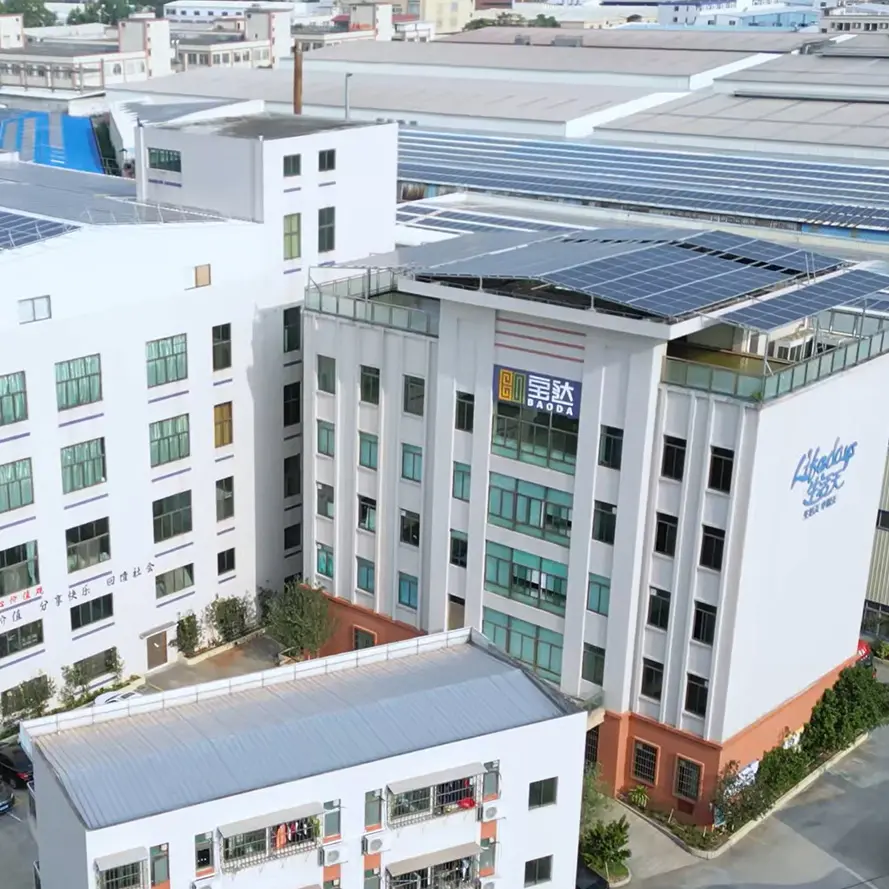
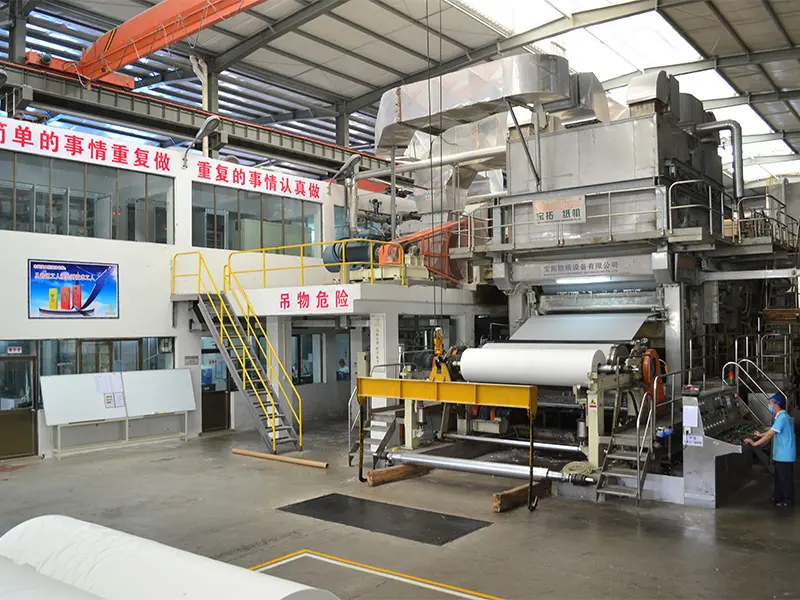
In the competitive landscape of pulp and paper conversion, the concentration of manufacturing technology in Chinese industrial hubs offers unique strategic advantages to international procurement professionals. Chinese manufacturers, led by forward-thinking companies like Baoda, have moved past low-cost manual assembly to adopt fully integrated, automated, and digitally managed ecosystems.
By establishing deep relationships with local and global raw material suppliers (including domestic recycled containerboard and imported virgin wood pulp), Chinese factories can mitigate the risks of spot price fluctuations. This stability is passed directly to the buyer through long-term fixed pricing contracts and consistent material grades.
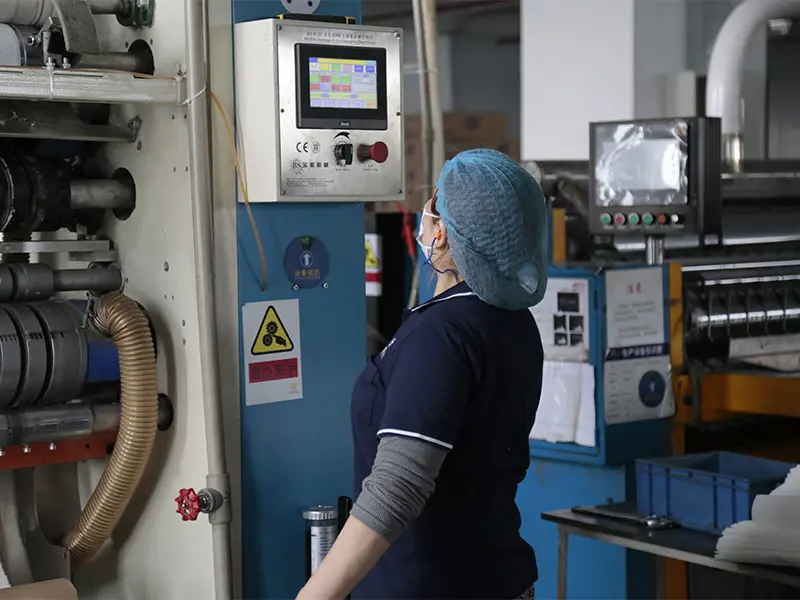
With modern manufacturing systems, China's factory lines can produce kitchen roll tubes at speeds of up to 100 tubes per minute per line. These systems use inline optical inspection sensors to detect deviations in inner diameter, wall thickness, and moisture levels, ensuring only high-quality tubes leave the factory floor.
Located near deepwater shipping ports, Chinese manufacturing hubs provide streamlined customs clearance, efficient ocean freight options, and smart container loading practices. This close integration with logistics providers helps keep export shipping costs competitive for global buyers.
The performance specifications of a kitchen roll tube vary significantly depending on its final destination. A one-size-fits-all approach often fails to meet the practical requirements of different global markets.
Designed for residential use, these tubes prioritize high dimensional stability and minimal weight. Because household towel dispensers typically rely on simple horizontal rods, the core inner diameter (typically 45mm to 50mm) must feature smooth interior walls to prevent friction, ensuring clean, easy tears.
In busy restaurants, hotels, and industrial kitchens, dispenser systems often pull paper towels from the center of the roll (centerfeed systems). The cardboard core must be strong enough to withstand outer pressure, yet designed to pull out easily during setup without leaving debris behind.
The paper core and tube manufacturing industry is undergoing a significant shift driven by regulatory changes, sustainability goals, and the adoption of advanced automation. Modern B2B buyers look for products that balance strength with environmental responsibility.
Traditional chemical binders can complicate the recycling process. The latest advancements focus on water-soluble dextrin glues and natural corn starch formulations. These bio-adhesives dissolve cleanly during repulping, reducing processing times and supporting circular economy initiatives.
While coreless rolls have entered the market, cored kitchen rolls remain the global standard because they work with standard household fixtures and run efficiently on high-speed retail packaging lines. Modern production focuses on lightweight, high-density cores that use less fiber while maintaining high crush strength.
As factories adopt Industry 4.0 standards, winding machines rely on precise tension feedback loop systems. Modern paper cores must feature clean, round profiles with uniform wall thicknesses to prevent vibration and ensure reliable tension control during winding.
At Baoda, we ensure our manufacturing processes meet the requirements of leading global retailers like Walmart and Watsons. We combine rigorous raw material sourcing with advanced quality testing to deliver reliable performance.
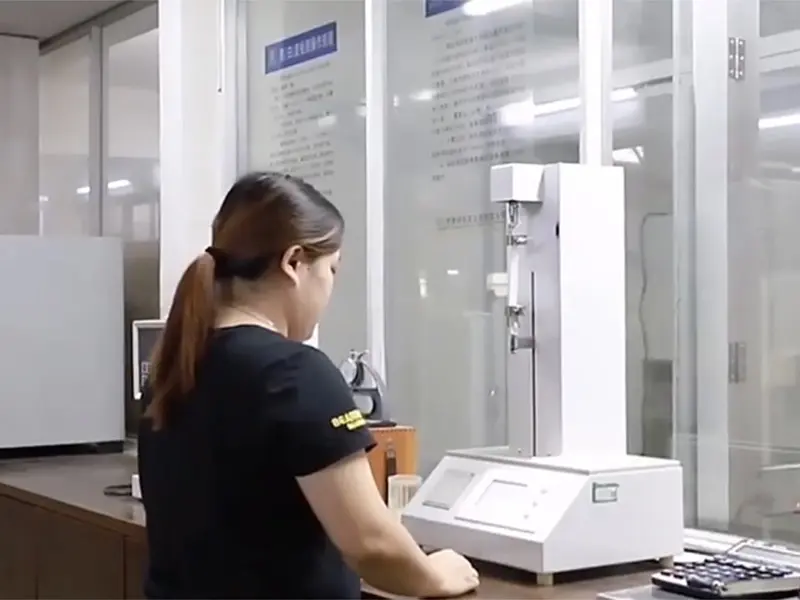
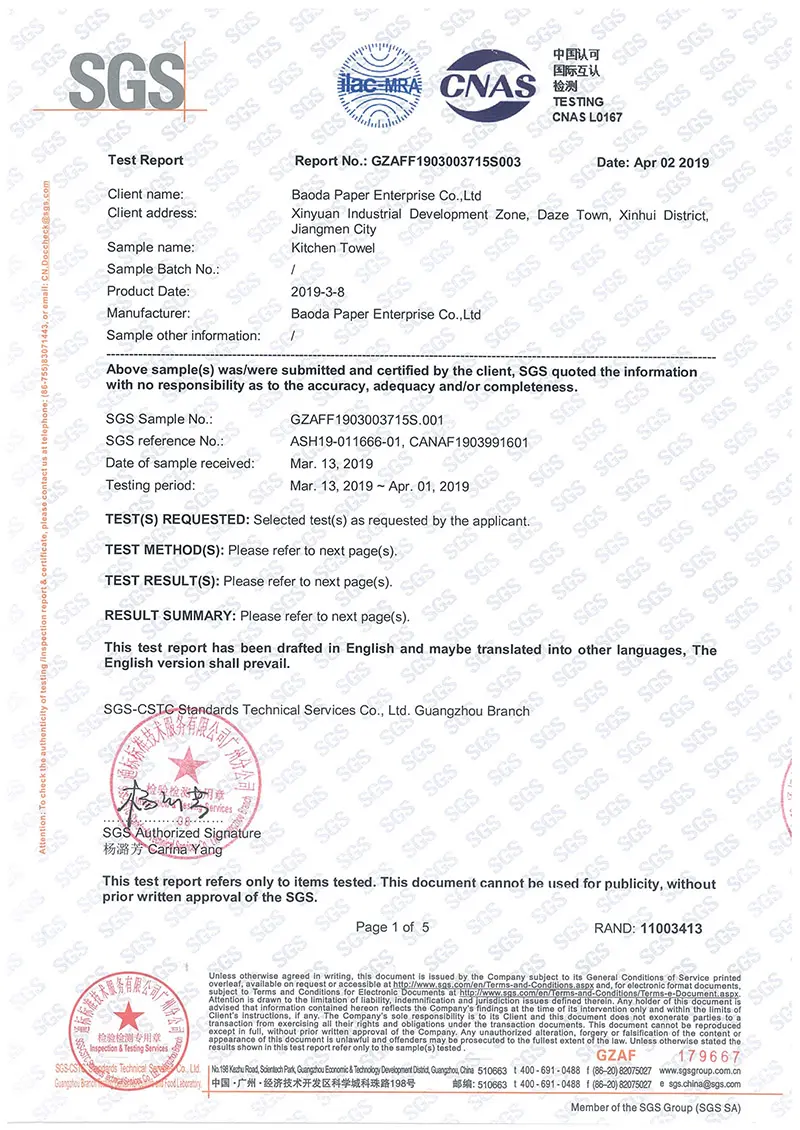
To maintain high manufacturing standards, all core batches undergo a series of tests to verify physical and mechanical performance:
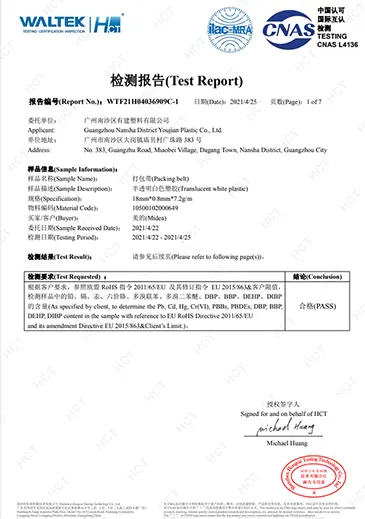
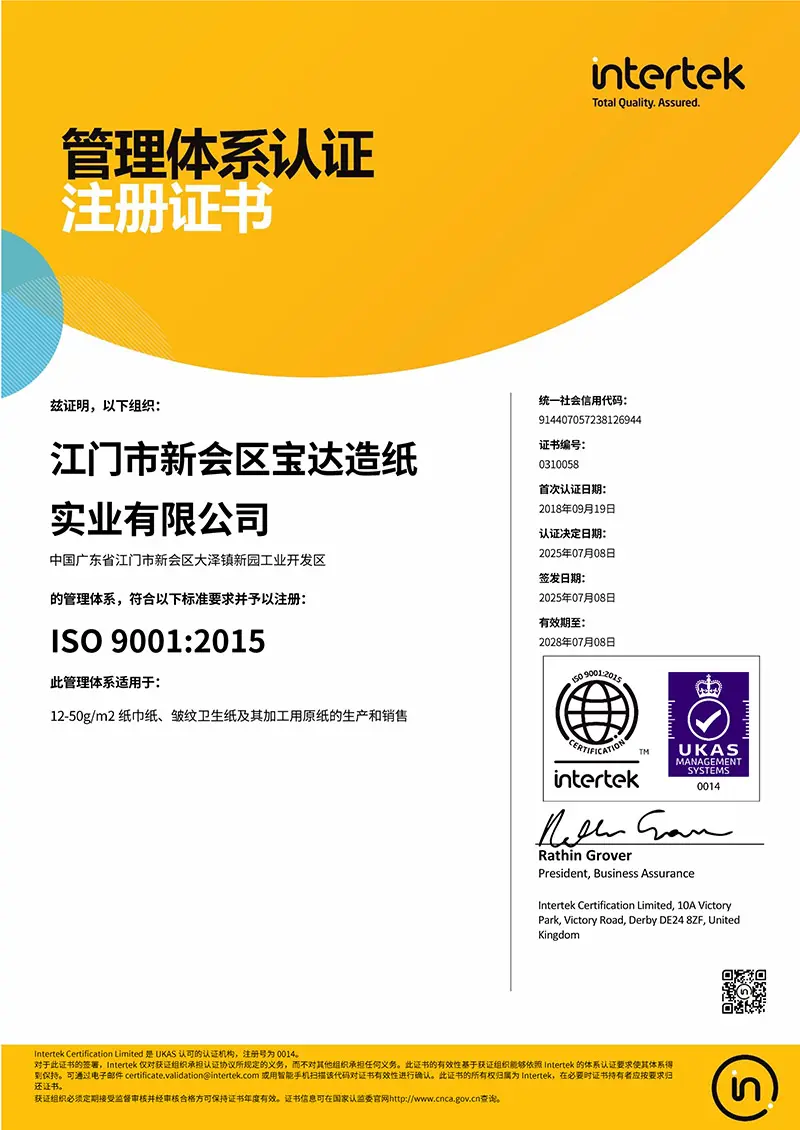
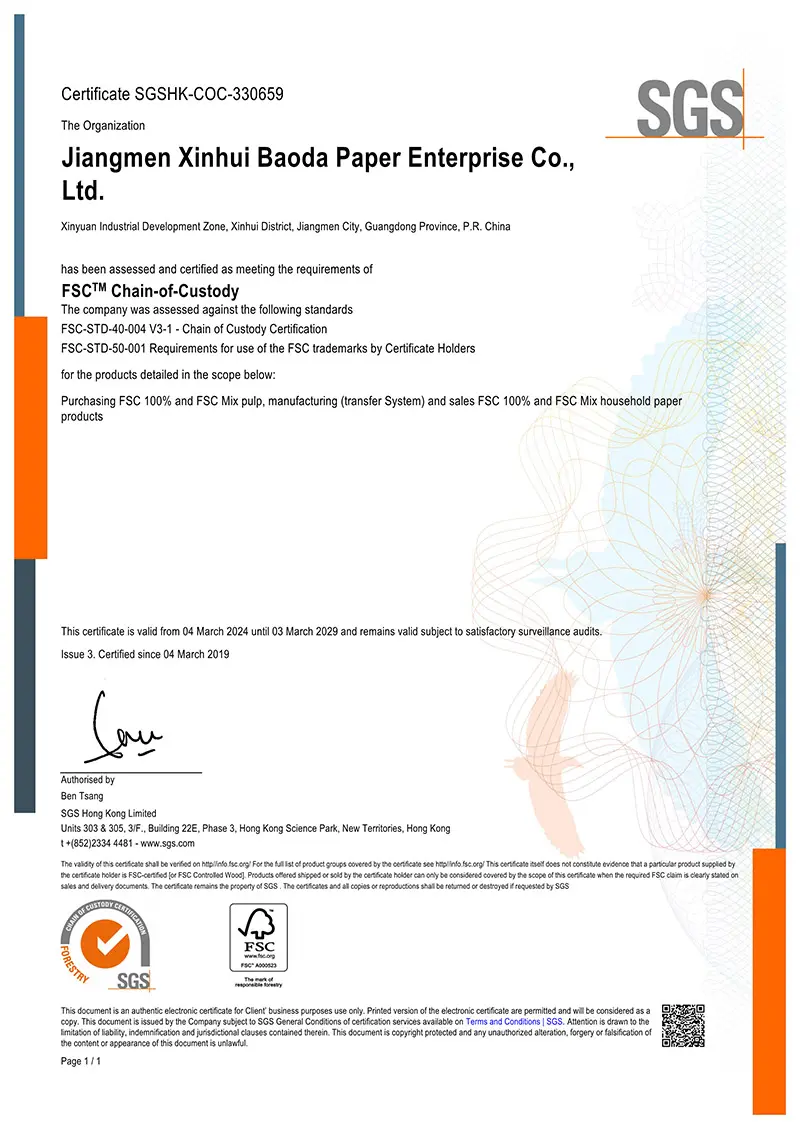
Our factories operate under strict manufacturing controls. We maintain standard international certifications to ensure our products meet environmental and safety guidelines:
Answers to common technical, shipping, and commercial questions from global converters and sourcing managers.
Explore our complete product catalog. We offer a full range of converted paper products, including soft toilet tissue, absorbent kitchen towels, and custom pocket tissues to meet your brand's specifications.
 BAODA PAPER