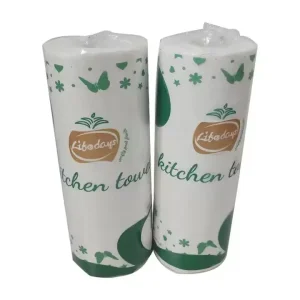
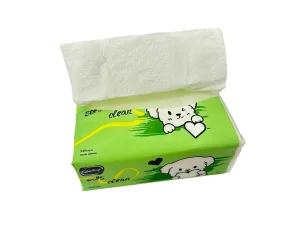
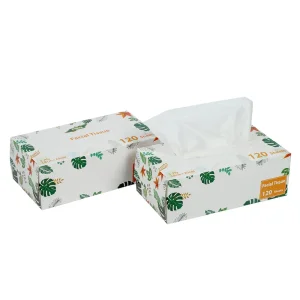
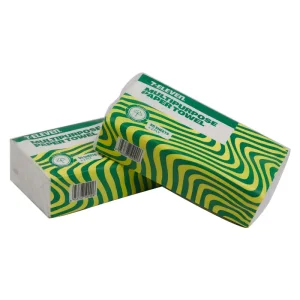
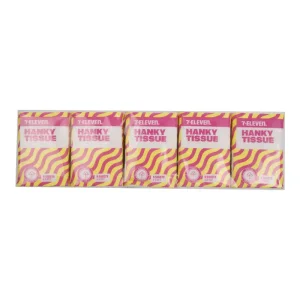
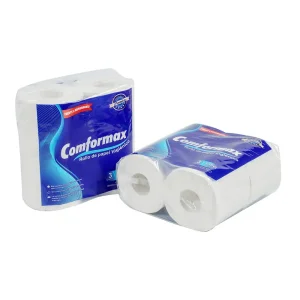
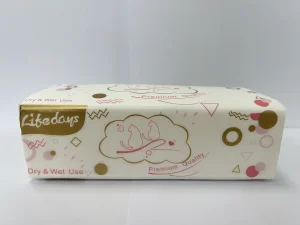
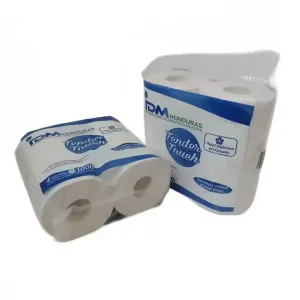
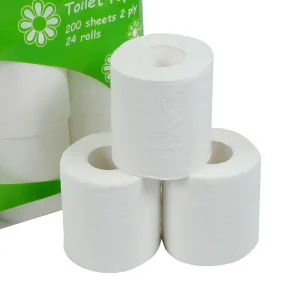
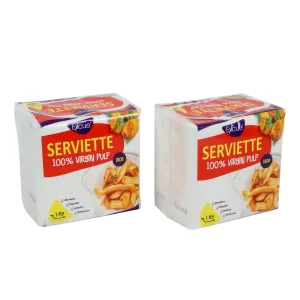
Explore our highly absorbent, durable, and eco-friendly primary lines manufactured under strict ISO and FDA standards for international export.
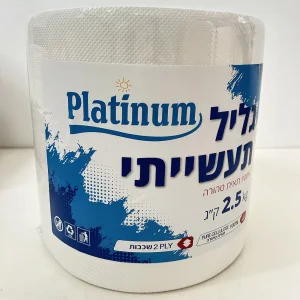
Analyzing key structural shifts, market forces, and technical benchmarks defining the future of commercial and consumer paper products.
The global tissue paper market is undergoing a structural paradigm shift driven by evolving consumer hygiene expectations, stringent regulatory policies, and a collective push towards environmental sustainability. Modern high-quality paper towel factories are no longer merely bulk commodity processors. Instead, they operate at the intersection of material science, environmental engineering, and precision logistics. Global B2B buyers now evaluate manufacturing facilities based on their carbon accounting, chemical usage profiles, and technological capacity to deliver high-performance products that meet multi-layered global compliances.
Several macro-economic and consumer trends are reshaping how paper towel factories construct their production lines and source raw materials:
Global regulations are increasing the pressure to phase out plastics and reduce the deforestation footprint. High-quality paper towel factories are responding by integrating FSC-certified virgin pulps and exploring agricultural residue fibers such as bamboo and bagasse. This ensures rapid biodegradability while keeping product textures exceptionally soft and absorbent.
The transition from traditional Light Dry Creping (LDC) to Structured Web technologies (such as Through-Air Drying - TAD) has revolutionized the market. This method produces paper towels with greater bulk, higher water retention, and enhanced wet tensile strength, reducing the overall quantity of paper required per usage cycle.
Tissue production is historically resource-intensive. Leading factories are utilizing closed-loop water treatment facilities to recycle up to 95% of process water. Additionally, high-efficiency cogeneration power units and solar arrays are being integrated directly into factory operations to minimize CO2 emissions per ton of product.
As these technologies mature, the barrier of entry for manufacturing premium-tier tissue products continues to rise. Importers and distributors must align with factories that invest in continuous R&D and show transparency in their supply chain metrics to secure a competitive edge in mature retail and industrial markets.
A technical guide to assessing physical characteristics and performance criteria of professional-grade tissue rolls.
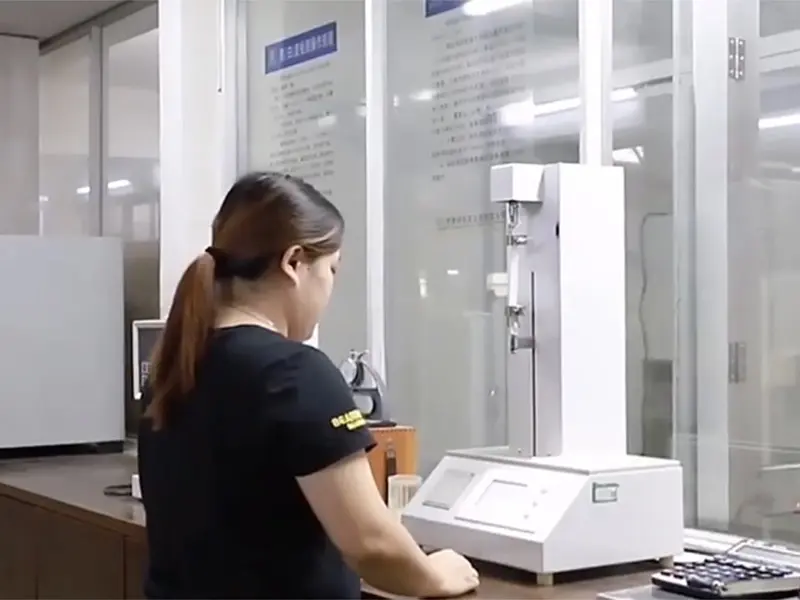
For B2B sourcing specialists and procurement executives, evaluating the reliability of a paper towel factory requires a deep understanding of standard lab testing criteria. Quality control is not just about softness; it is an objective science based on standardized measurement protocols:
By leveraging advanced embossing techniques—such as point-to-point, point-to-flat, or nested embossing—factories create micro-pockets that trap liquids effectively. Choosing the right pattern is critical for target market segments, whether they require high scrubbing resistance or supreme surface softness.
Strategic purchasing frameworks, risk mitigation, and compliance standards for international tissue distribution.
Procuring paper towels at a global scale involves navigating complex supply chains, geopolitical tariffs, and shifting transportation costs. Sourcing managers must implement diversified procurement strategies to ensure consistent supply and competitive margins. The key to mitigating these challenges lies in collaborating with manufacturers that possess deep experience in international logistics and export-ready product certifications.
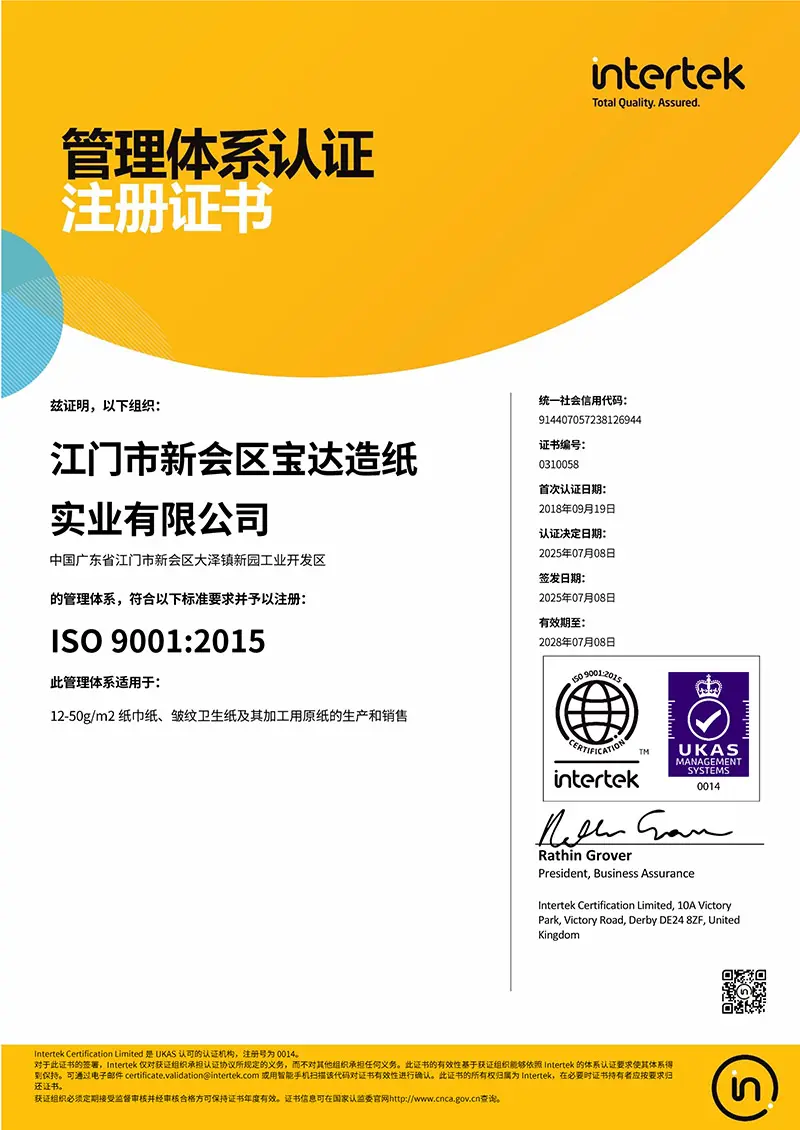
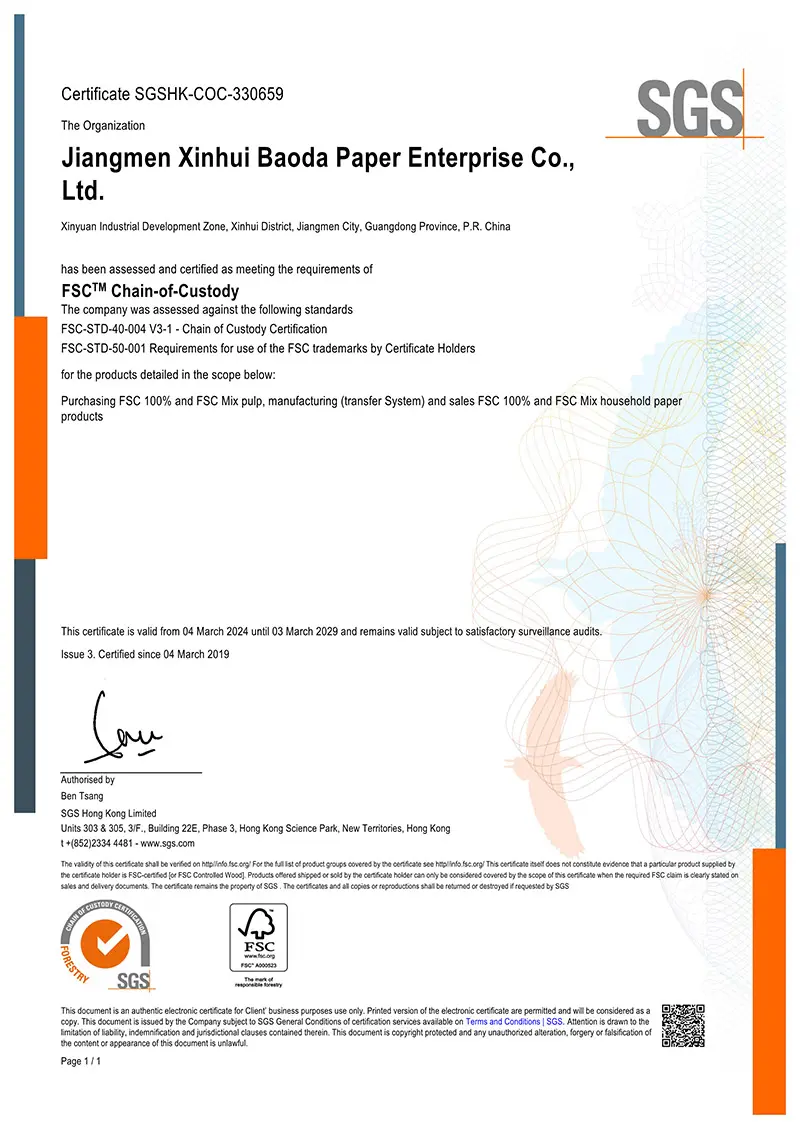
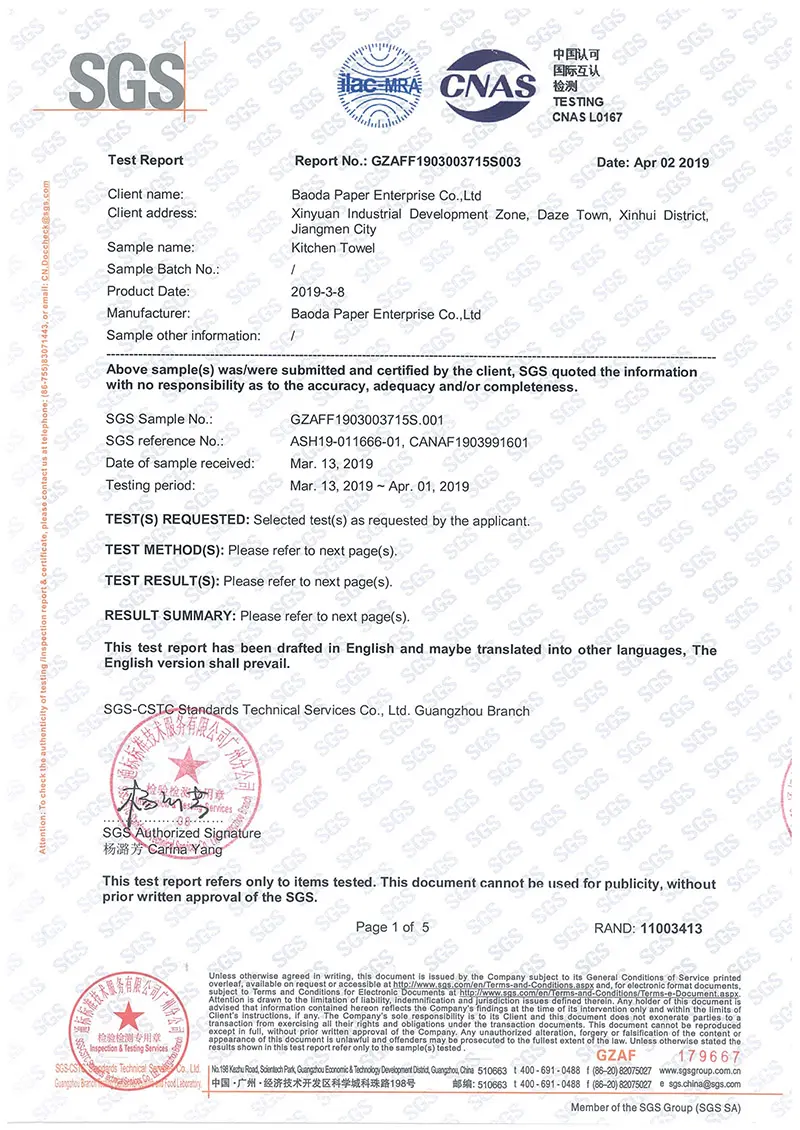
Entering strict regulatory zones like the European Union and North America requires comprehensive documentation. Importers must verify that the paper towel factories they partner with hold the following certifications:
These international benchmarks prove the manufacturer adheres to rigorous Quality Management Systems (QMS) and Environmental Management Systems (EMS), guaranteeing consistent product outputs and sustainable operational models.
A critical certification demonstrating that the raw wood pulp originates from responsibly managed forests, protecting biodiversity and verifying social and economic benefits for local forestry workers.
Social compliance audits verify that the factory enforces ethical labor practices, safe working conditions, fair compensation, and zero tolerance for child labor, which is essential for retail giants like Walmart.
How automation, smart logistics, and industrial clustering maintain competitive pricing and absolute quality consistency.
The Chinese tissue manufacturing landscape has shifted from labor-intensive factories to highly automated Factory 4.0 intelligent hubs. By incorporating German and Italian high-speed paper-making equipment (such as Voith and Valmet) alongside automated downstream packaging systems, Chinese manufacturers have achieved unprecedented levels of operational efficiency.
Key highlights of China's structural production advantages include:
Leading China's Tissue Manufacturing Industry for Over 27 Years with Innovation and Uncompromising Quality Standards.

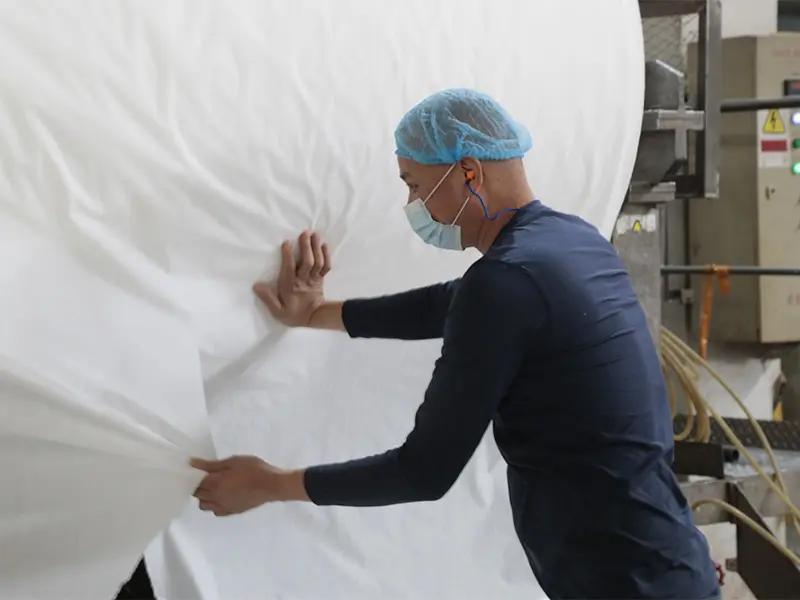
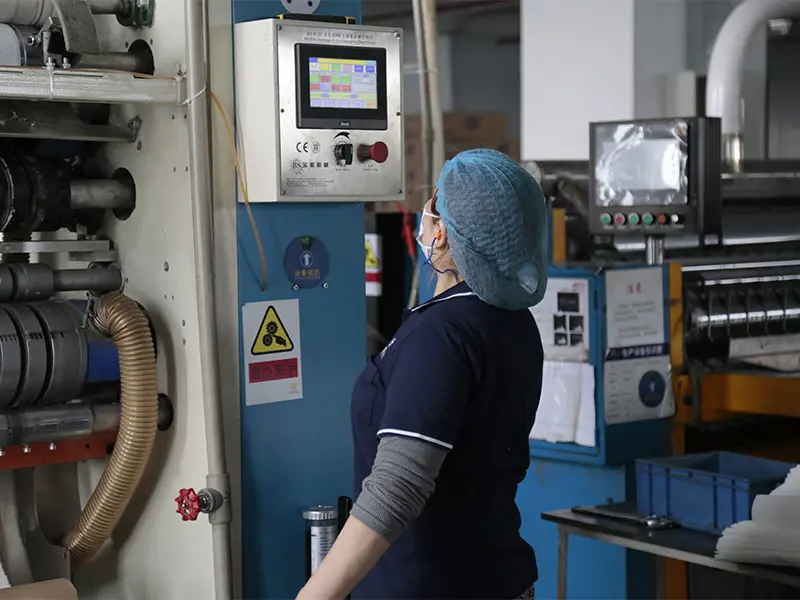
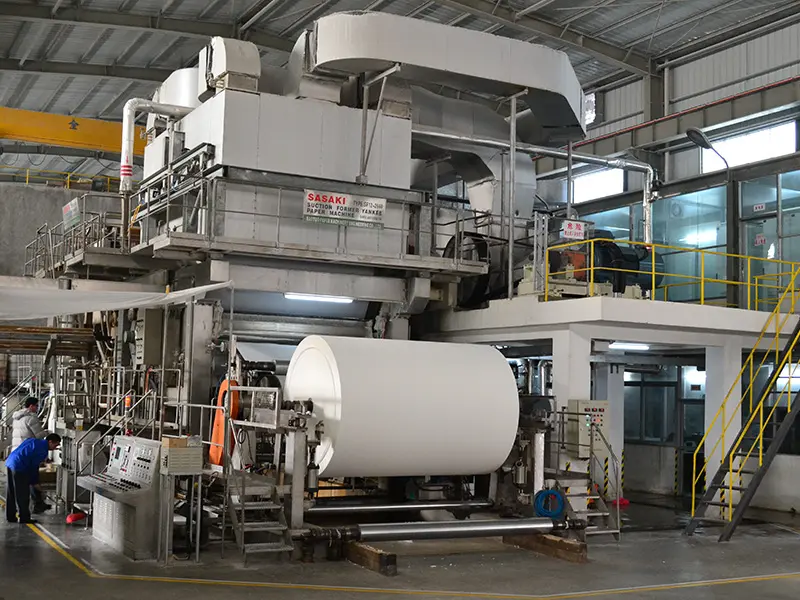
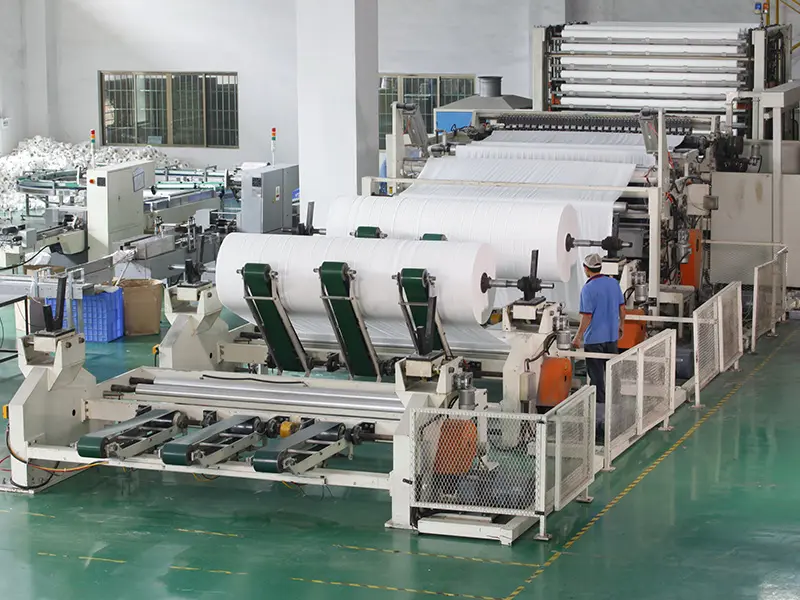
For over 27 remarkable years, since our inception in 1998, Baoda Paper Co., Ltd. has stood as an unwavering cornerstone of China's tissue paper industry, evolving from a domestic manufacturer into a globally recognized force. We have meticulously built our legacy on a formidable foundation of advanced manufacturing excellence and an unwavering commitment to quality. Our modern, sprawling complex, exceeding 20,000 square meters, is a testament to this commitment. Within its walls, we house state-of-the-art, imported high-speed paper machines and sophisticated automated processing lines. This powerful infrastructure is the engine behind our impressive annual production capacity of over 30,000 tons, enabling us to meet large-scale demands without compromising on the consistent quality that defines the Baoda name.
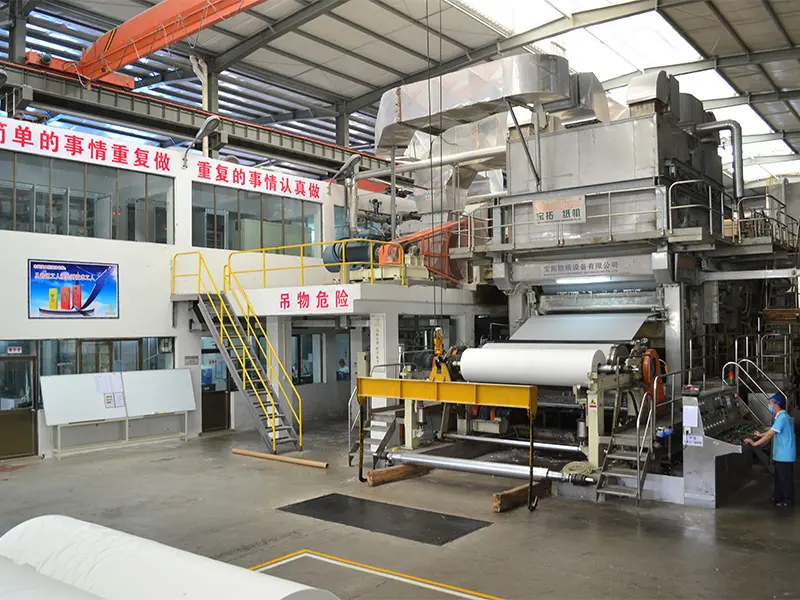
Offering Comprehensive One-Stop OEM, ODM, & OBM Global Tissue Supply Solutions
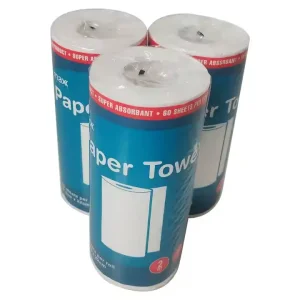
Our comprehensive and curated product portfolio is designed to provide complete one-stop solutions for diverse market needs. We offer an extensive range of products, from essential household items like premium toilet rolls, versatile kitchen towels, and soft facial tissues to convenient and hygienic pocket tissue packs for on-the-go use. Understanding the diverse paths to market success, our business model is both robust and flexible. While we proudly market three successful self-owned brands, we are also a premier partner for clients seeking to build their own product lines. We specialize in tailored ODM (Original Design Manufacturing), OEM (Original Equipment Manufacturing), and OBM (Original Brand Manufacturing) services, working collaboratively to bring our clients' unique visions and brand identities to life with precision and expertise.
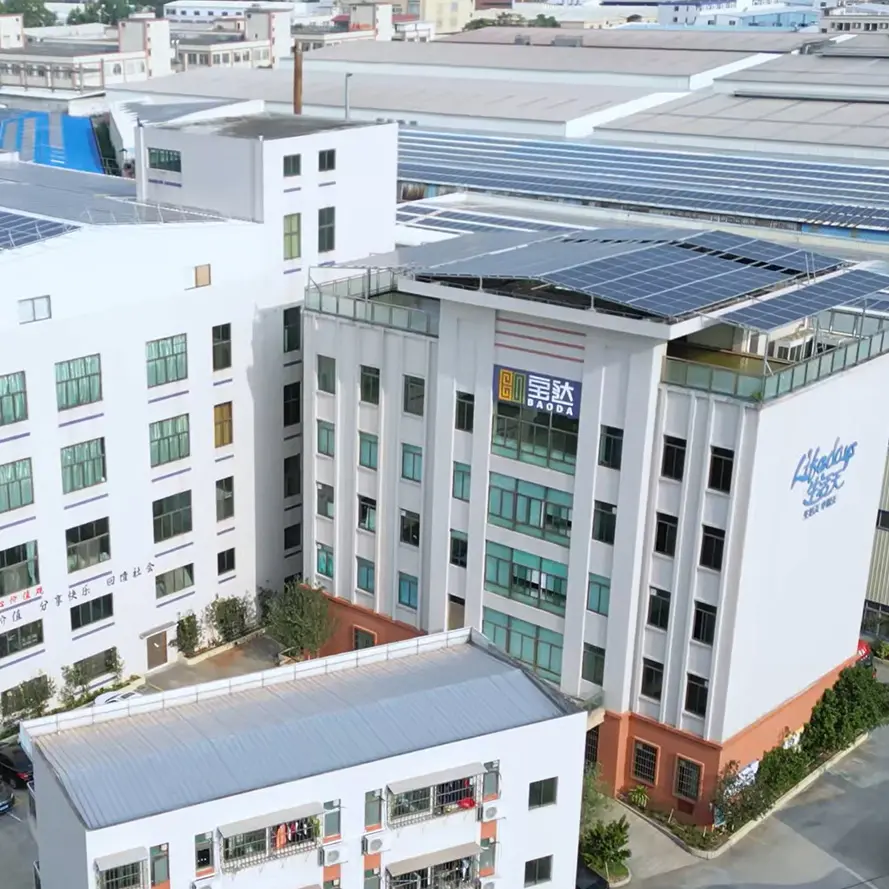
This dedication has earned us the trust of a vast network of over 10,000 global leaders in retail and distribution, including renowned giants such as Walmart and Watsons. We are dedicated to fair labor practices and environmentally friendly production cycles.
Our high-quality products and reliable service have enabled us to build a robust international distribution network spanning more than 60 countries across the Americas, Europe, Asia, and Australia, with significant presence in key markets like the United States and Australia.
Through decades of innovation and consistent delivery, Baoda Paper has become more than just a manufacturer; we are a symbol of quality, reliability, and partnership in the dynamic global tissue market.
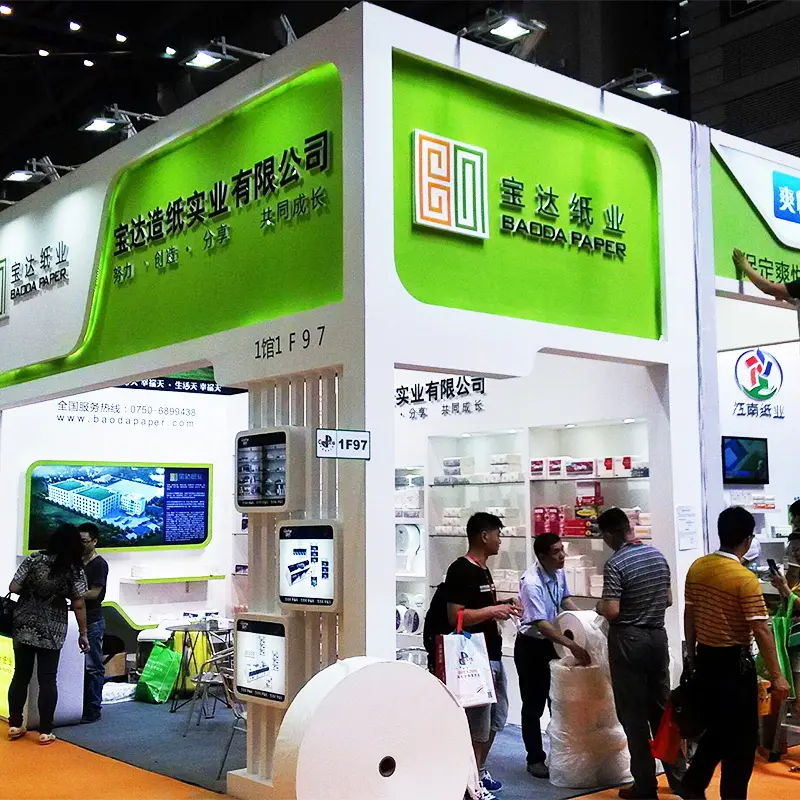
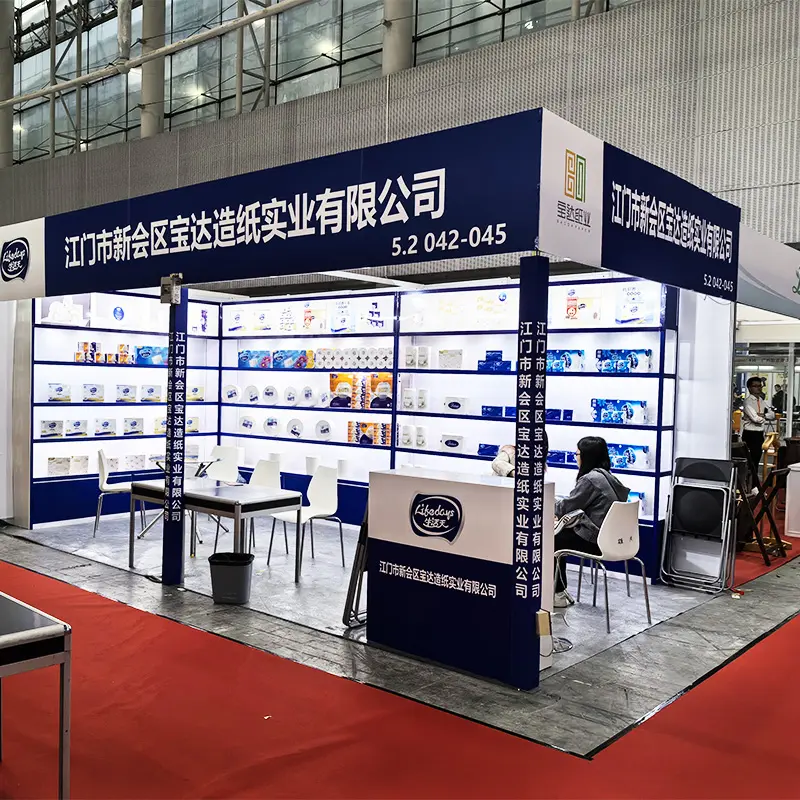
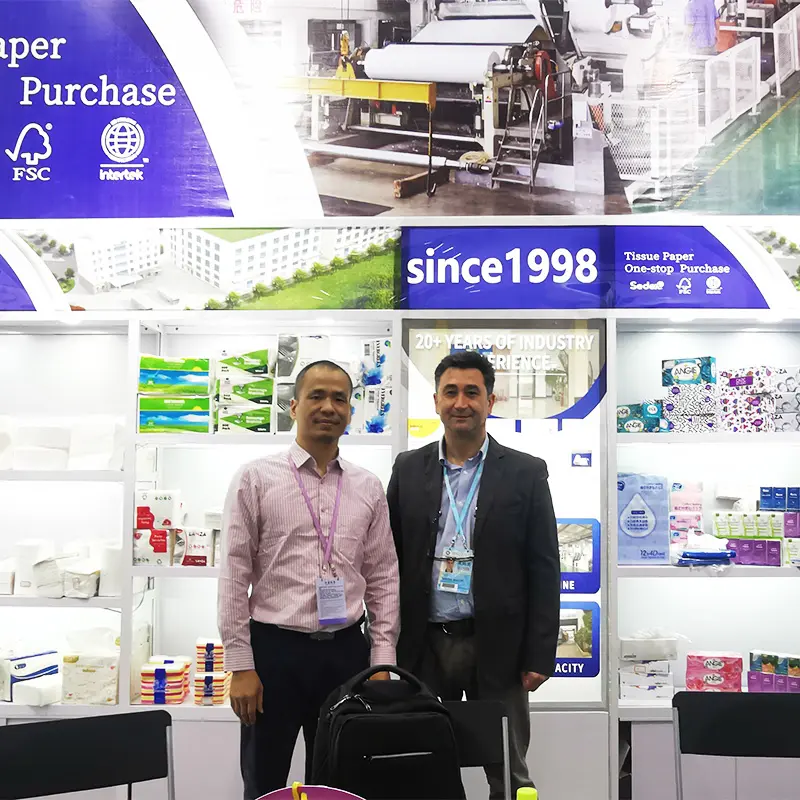
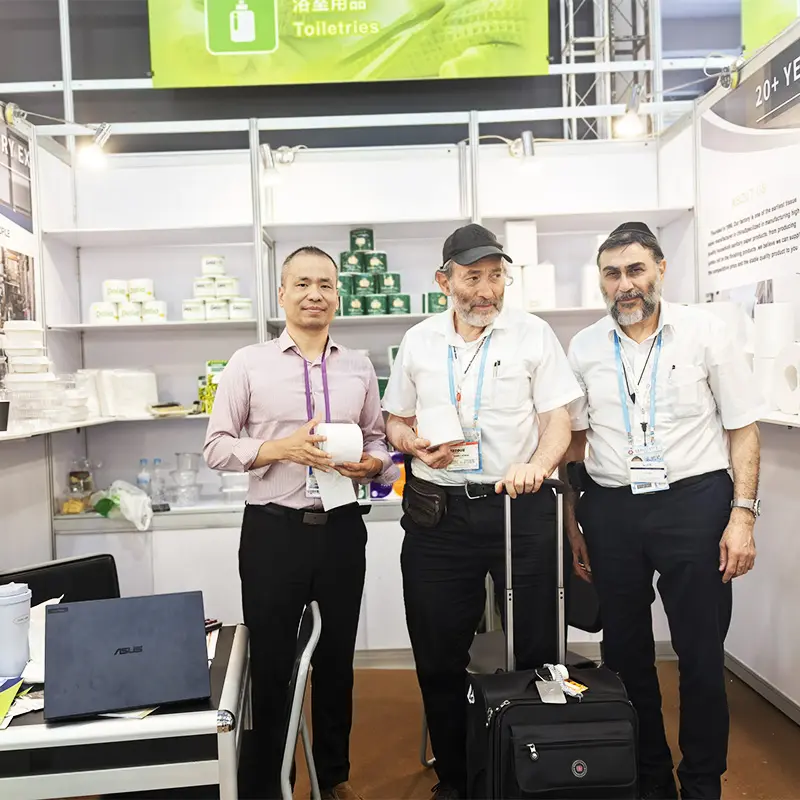
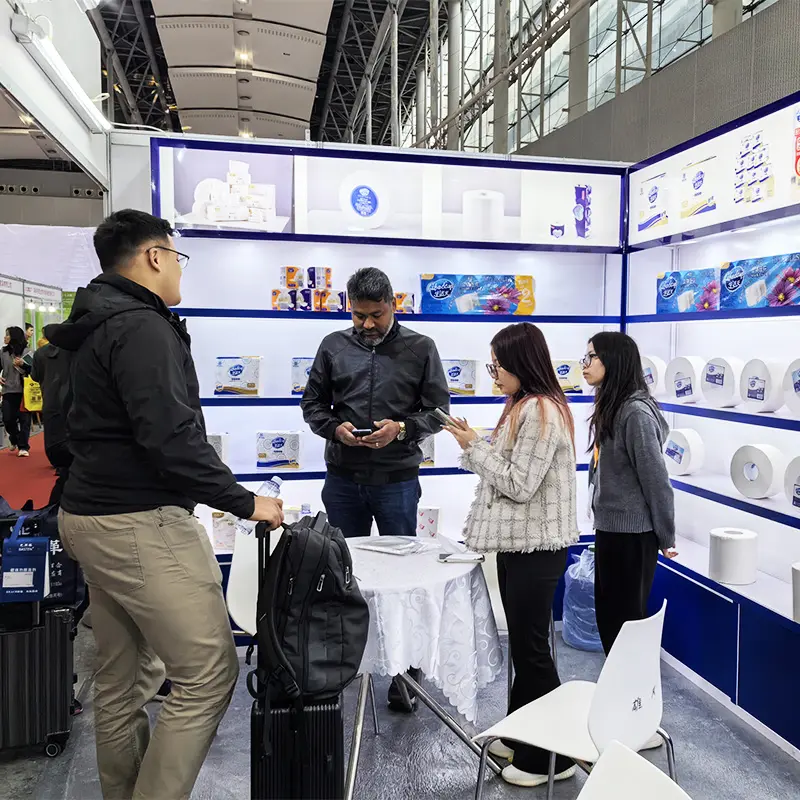
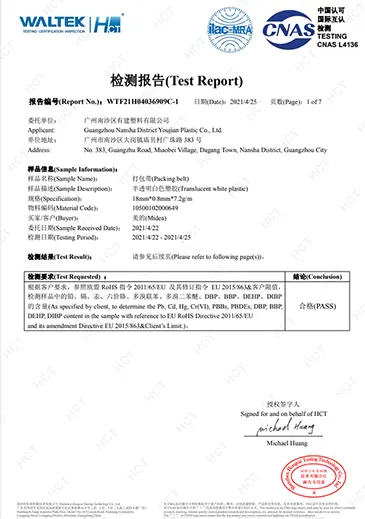
Our factory operations are thoroughly certified to ensure full compliance with international environmental and product safety regulations.

Designing targeted tissue solutions optimized for high-traffic public, professional, and household environments.
Paper hygiene products are highly specialized consumables. A configuration suited for a home kitchen might perform poorly in a bustling restaurant kitchen or a professional medical clinic. High-quality paper towel factories design and categorize products to address specific environmental requirements:
This high-intensity environment demands ultra-absorbent kitchen paper rolls and embossed dinner napkins. The focus is on rapid oil and water absorption, and ensuring sheets do not leave lint behind on crystal glassware or metal surfaces.
These locations benefit most from multi-fold (V-Fold, Z-Fold) and centerpull hand roll towels. Compatibility with universal dispensers reduces maintenance labor costs, prevents multi-sheet dispensing waste, and supports a hygienic, touch-free restroom environment.
Surgical clinics and general wards require disposable paper products that meet strict microbial safety guidelines. Tissues are produced utilizing high-temperature treatment and packed in protective films to ensure clean, hygienic usage.
By understanding these localized application scenarios, purchasing managers can better tailor their orders—specifying core diameters, roll widths, sheet counts, and folding configurations to fit local dispensing hardware and consumer preferences.
Direct technical answers to common B2B procurement queries regarding tissue manufacturing, customization, and logistics.
From portable travel packs to commercial rolls, we supply premium quality tissue products globally.
 BAODA PAPER