Within the global personal hygiene manufacturing sector, the consumer shift toward hypoallergenic and sensitive-skin-friendly toilet paper is no longer a niche trend. From a dermatological standpoint, traditional mechanical pulping and aggressive chemical bleaching processes often leave trace residues of elemental chlorine, volatile organic compounds (VOCs), and artificial binders. For individuals experiencing contact dermatitis, eczema, or mucosal sensitivities, regular contact with these substances degrades the natural epidermal lipid barrier, inducing localized irritation and transepidermal water loss (TEWL).
As a premier global exporter, our macro-industry solution targets the core mechanics of skin contact. We address these anatomical challenges by using pure virgin wood pulp as the absolute baseline. The long-chain fibers inherent to virgin wood pulp yield a naturally smoother surface topology compared to recycled fibers, which exhibit microscopic structural fractures and rigid edges. Through advanced calendar technology and zero-additive manufacturing pathways, we provide high-volume corporate buyers, medical institutions, and retail distributors with hypoallergenic solutions that meet rigorous international chemical restrictions and biological safety standards.
Complete elimination of optical brighteners (OBAs), formaldehyde, and artificial fragrances, guaranteeing compatibility with hypersensitive mucosal tissue.
Specialized double-point micro-embossing decreases the surface friction coefficient, cushioning contact points to prevent micro-abrasions during use.
Precisely balanced wet tensile strength ensures high performance during usage, yet disintegrates rapidly when flushed, preventing drainage blockages.
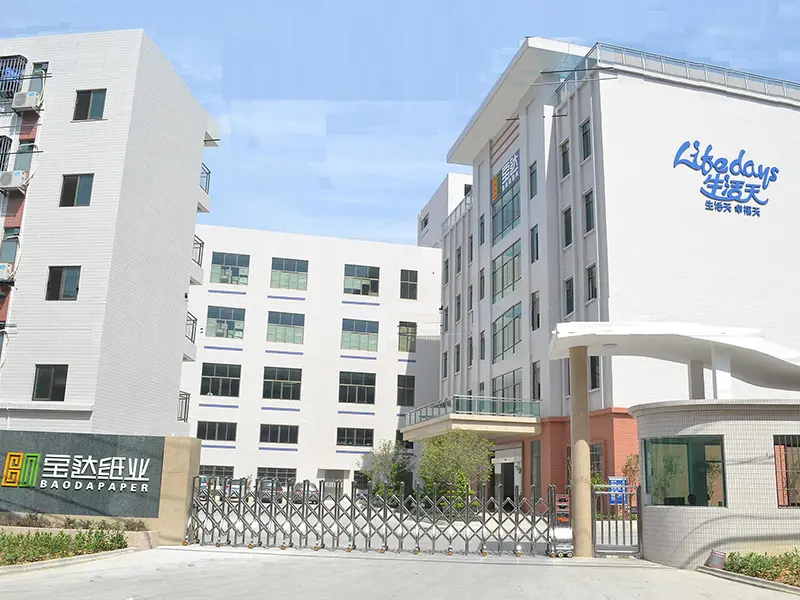
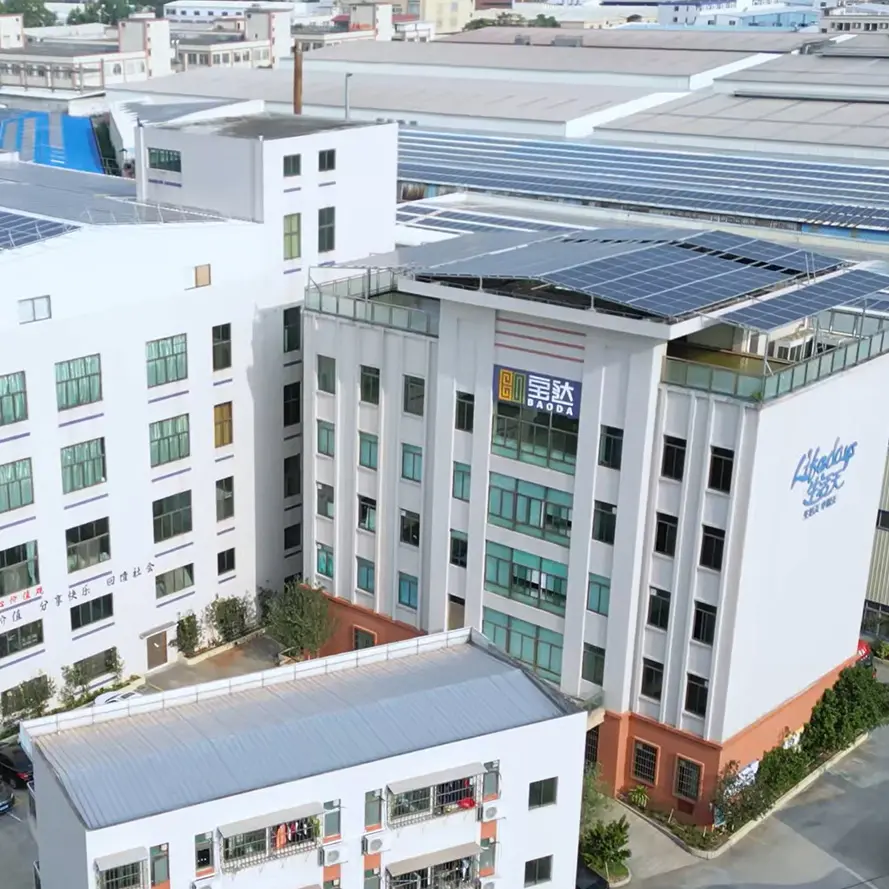
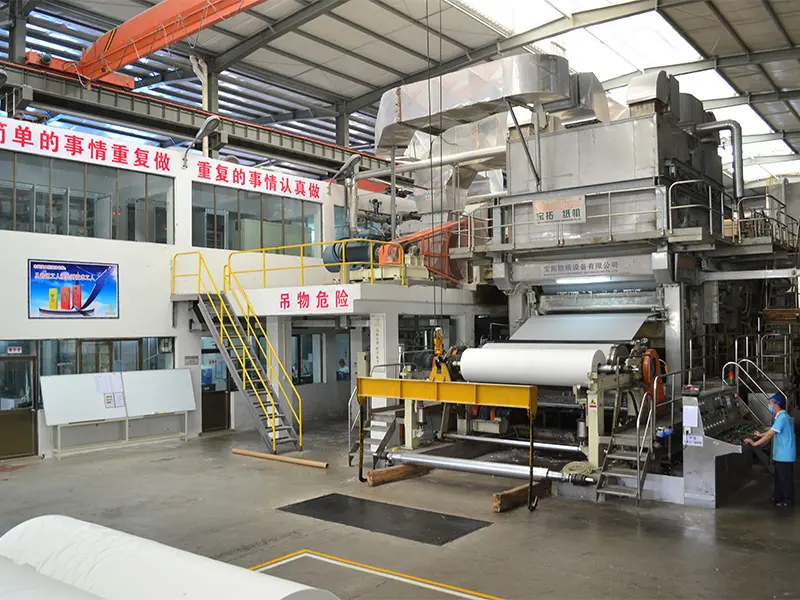
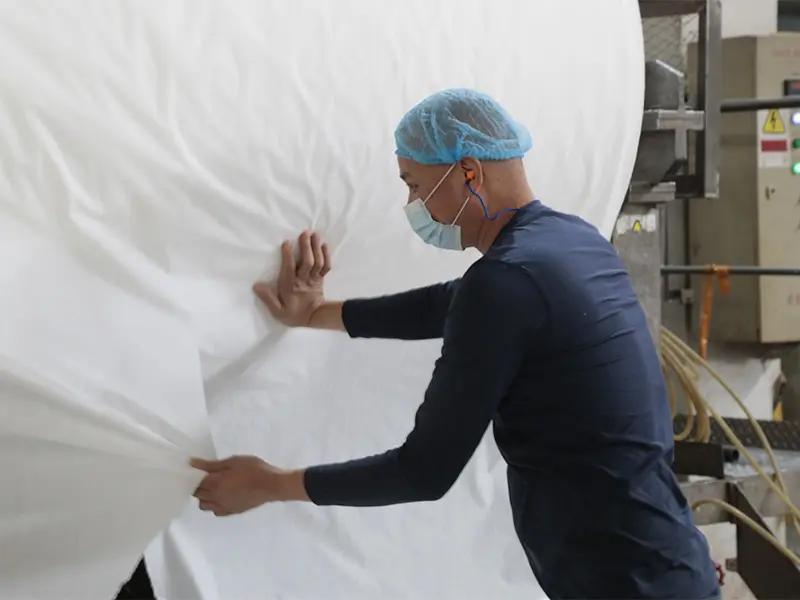
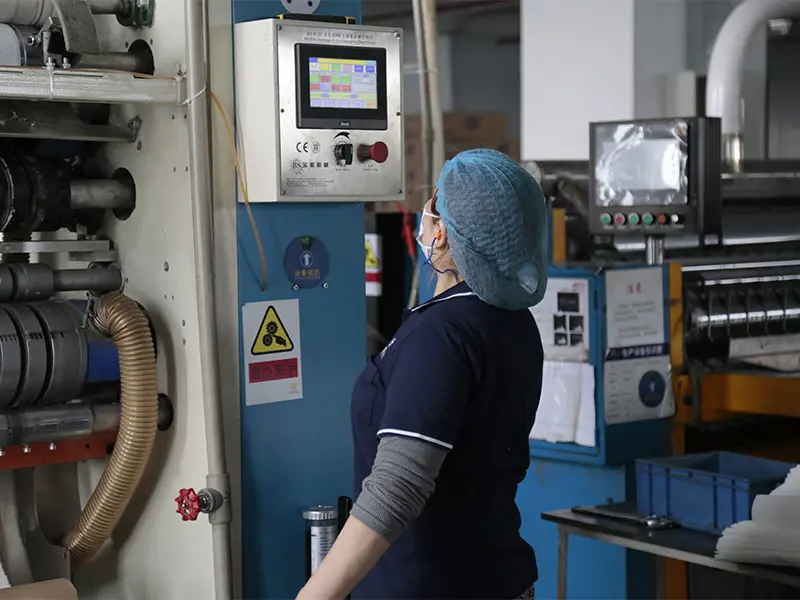
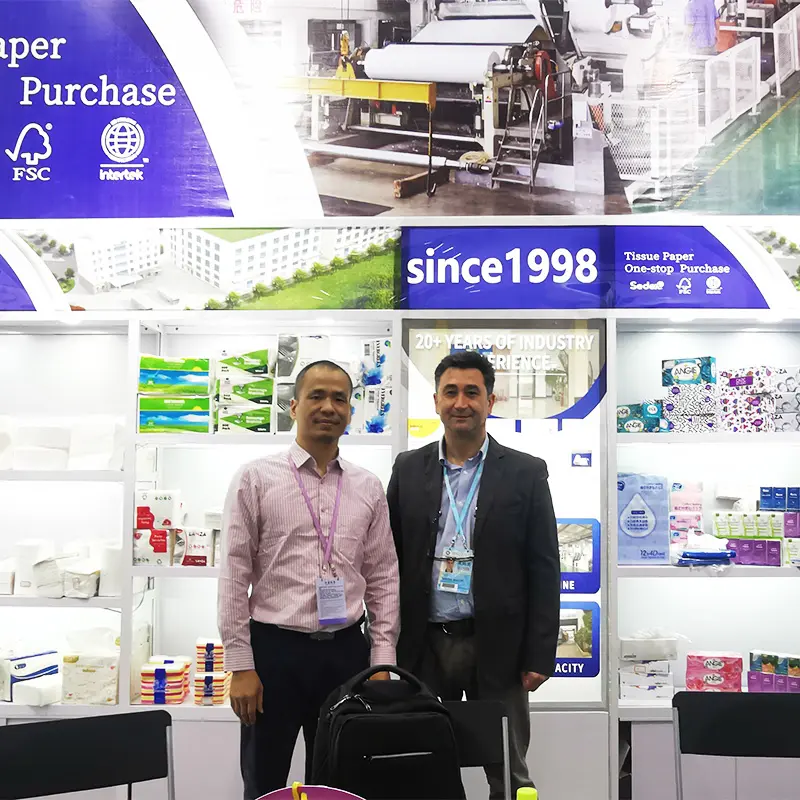
We have evolved from a domestic manufacturer into a globally recognized force, meticulously building our legacy on a formidable foundation of advanced manufacturing excellence and an unwavering commitment to quality. Our modern, sprawling complex, exceeding 20,000 square meters, is a testament to this commitment. Within its walls, we house state-of-the-art, imported high-speed paper machines and sophisticated automated processing lines.
This powerful infrastructure is the engine behind our impressive annual production capacity of over 30,000 tons, enabling us to meet large-scale demands without compromising on the consistent quality that defines the Baoda name. Our integrated manufacturing ecosystem links raw pulp processing directly with finished automated packaging, guaranteeing a contamination-free supply chain.
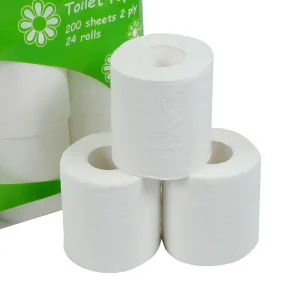
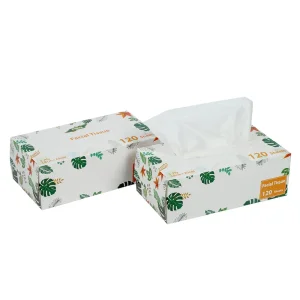
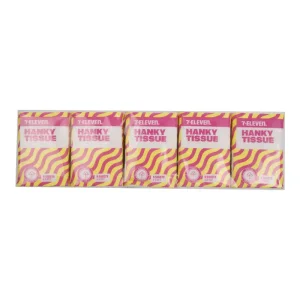
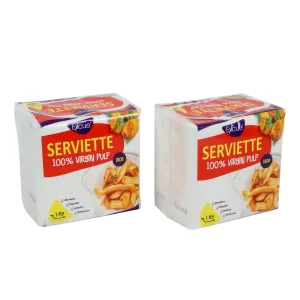
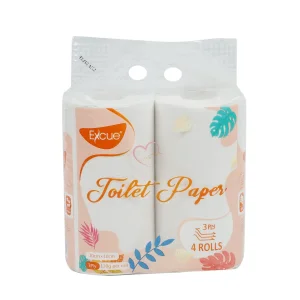
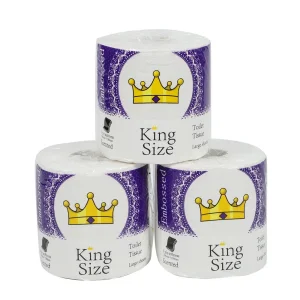
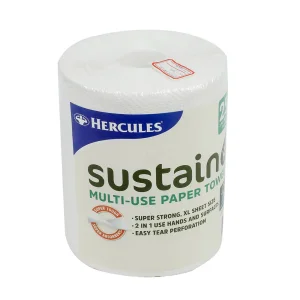
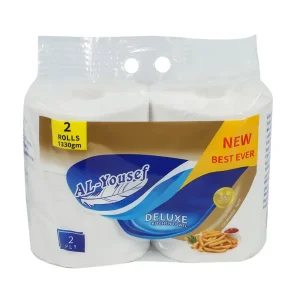
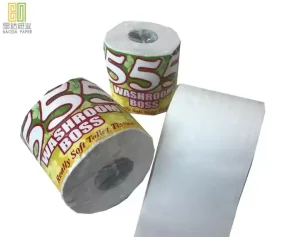
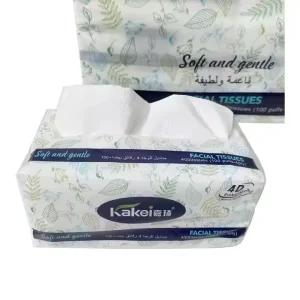
Our comprehensive and curated product portfolio is designed to provide complete one-stop solutions for diverse market needs. We offer an extensive range of products, from essential household items like premium toilet rolls, versatile kitchen towels, and soft facial tissues to convenient and hygienic pocket tissue packs for on-the-go use.
Understanding the diverse paths to market success, our business model is both robust and flexible. While we proudly market three successful self-owned brands, we are also a premier partner for clients seeking to build their own product lines. We specialize in tailored ODM (Original Design Manufacturing), OEM (Original Equipment Manufacturing), and OBM (Original Brand Manufacturing) services, working collaboratively to bring our clients' unique visions and brand identities to life with precision and expertise.
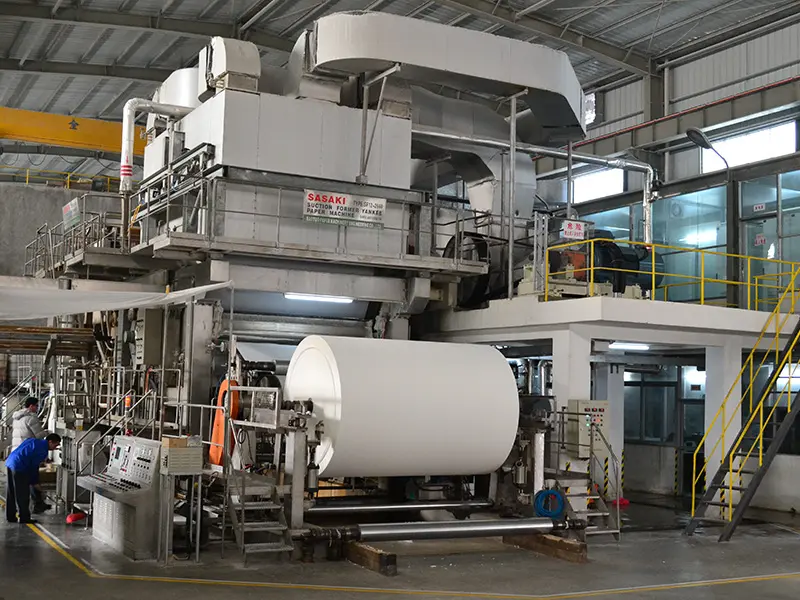
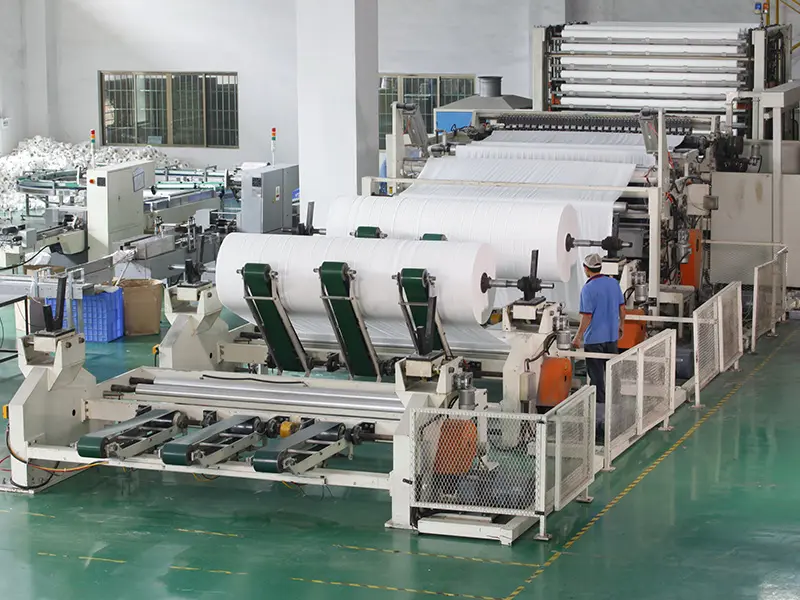
Our dedication has earned us the trust of a vast network of over 10,000 global leaders in retail and distribution, including renowned giants such as Walmart and Watsons. Our high-quality products and reliable service have enabled us to build a robust international distribution network spanning more than 60 countries across the Americas, Europe, Asia, and Australia, with a significant presence in key markets like the United States and Australia.
Through decades of innovation and consistent delivery, Baoda Paper has become more than just a manufacturer; we are a symbol of quality, reliability, and partnership in the dynamic global tissue market. We align our industrial activities with global ESG guidelines, working continuously to lower carbon emissions during transportation and sourcing fiber pulp solely from sustainably managed forests.
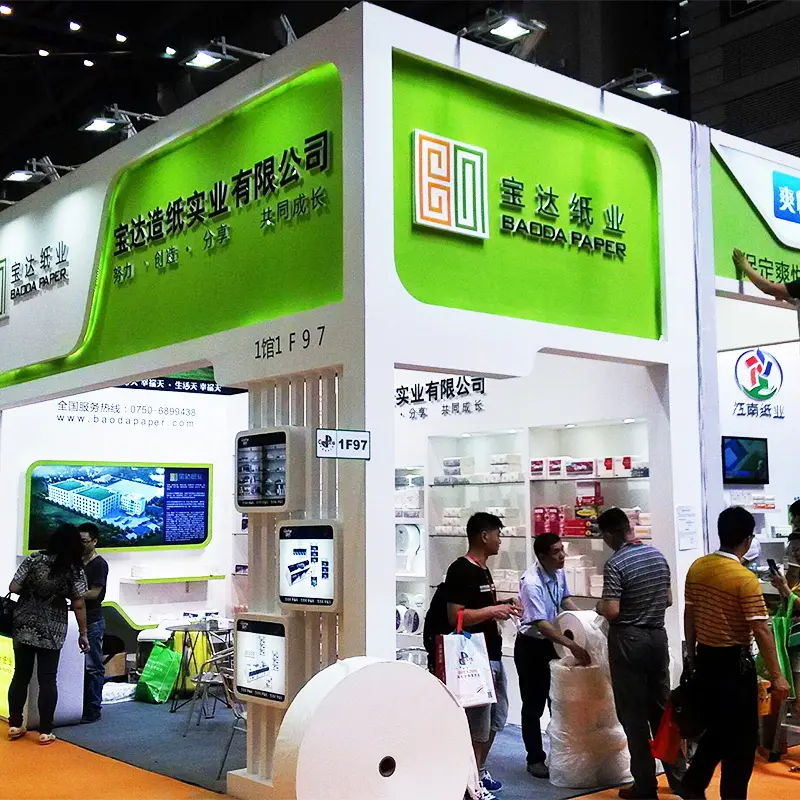
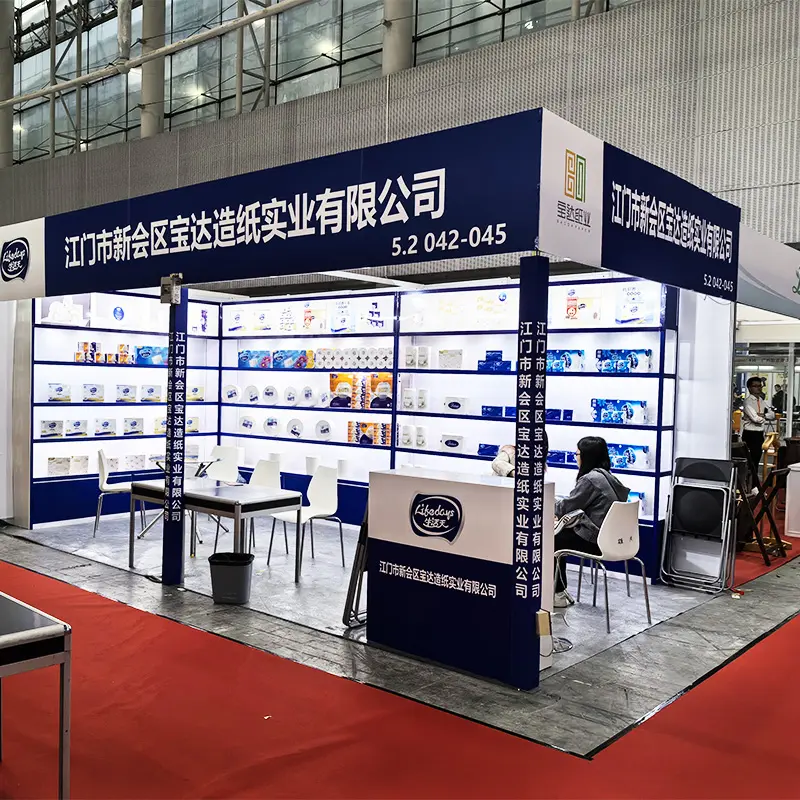
Manufacturing paper specifically tailored for sensitive skin requires rigorous material science. A tissue's mechanical touch is defined by the blend of fibers, refining consistency, chemical structure, and creping ratio. Baoda Paper uses a optimized ratio of 70% hardwood kraft pulp and 30% softwood kraft pulp. Hardwood fibers provide exceptional velvet-like softness, while softwood fibers provide the necessary tensile grid structure to ensure the tissue does not shred when subjected to mechanical shear force or moisture.
Double-disc mechanical refiners adjust the freeness of the pulp to maintain cellular pliability, minimizing surface stiffness.
Instead of relying on synthetic polyacrylamide resins, we utilize organic starches to maintain structural stability during processing.
High-precision creping blades produce micro-folds at a density of 40 folds per inch, enhancing the tissue's longitudinal stretch and softness.
Targeting 95% water recycling within the production cycle to minimize environmental impact and lower manufacturing emissions.
Integrating real-time laser scanning systems to identify and remove roll sections with minor surface imperfections or irregularities.
Transitioning all outer plastic packaging to certified home-compostable starch-based films to eliminate single-use plastics.
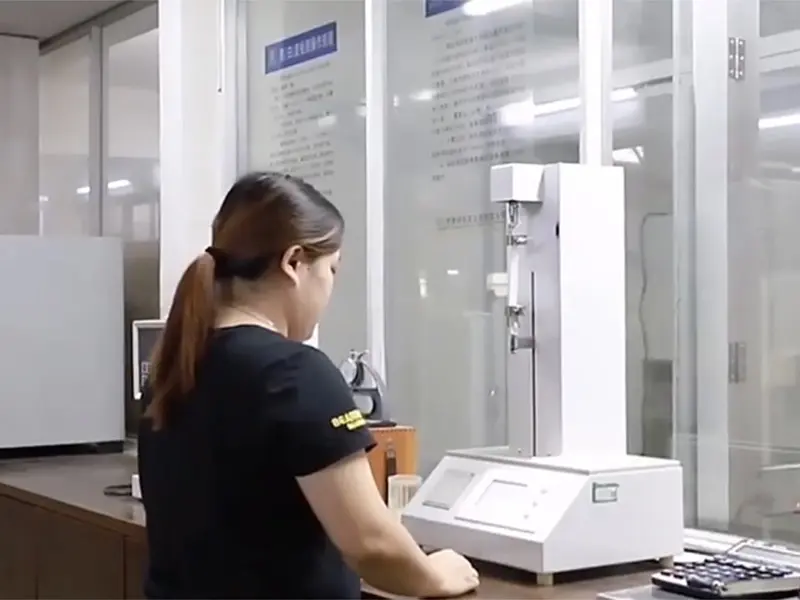
Global trade of personal hygiene products requires strict compliance with regional safety frameworks. Baoda Paper maintains international testing protocols to ensure products are safe and ready for market entry worldwide.
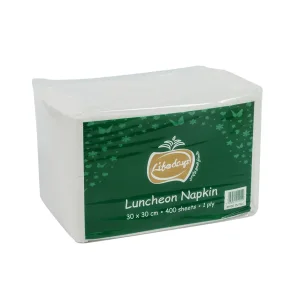
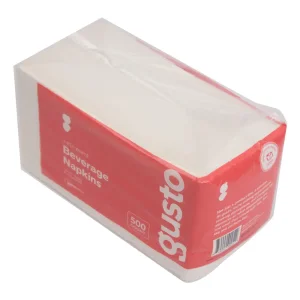
Our tissue products meet FDA requirements for indirect food contact (for napkins) and are made with FSC-certified fibers, satisfying the strict supply requirements of retailers like Walmart.
We comply with REACH regulations, ensuring all process chemicals, colors, and wet-strength agents are free from harmful SVHCs (Substances of Very High Concern).
Engineered for high dispersibility, our tissue disintegrates quickly under low-flow plumbing systems, meeting regional utility guidelines.
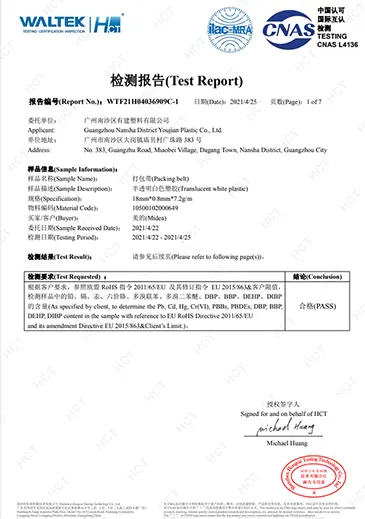
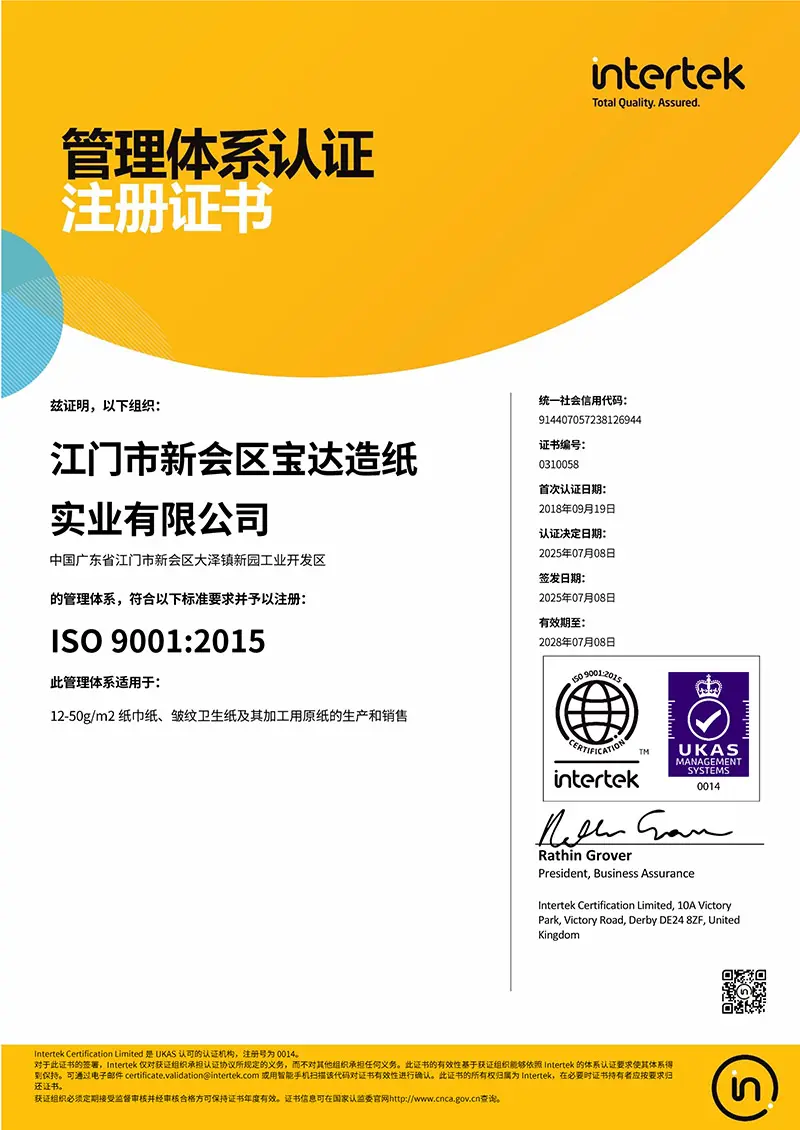
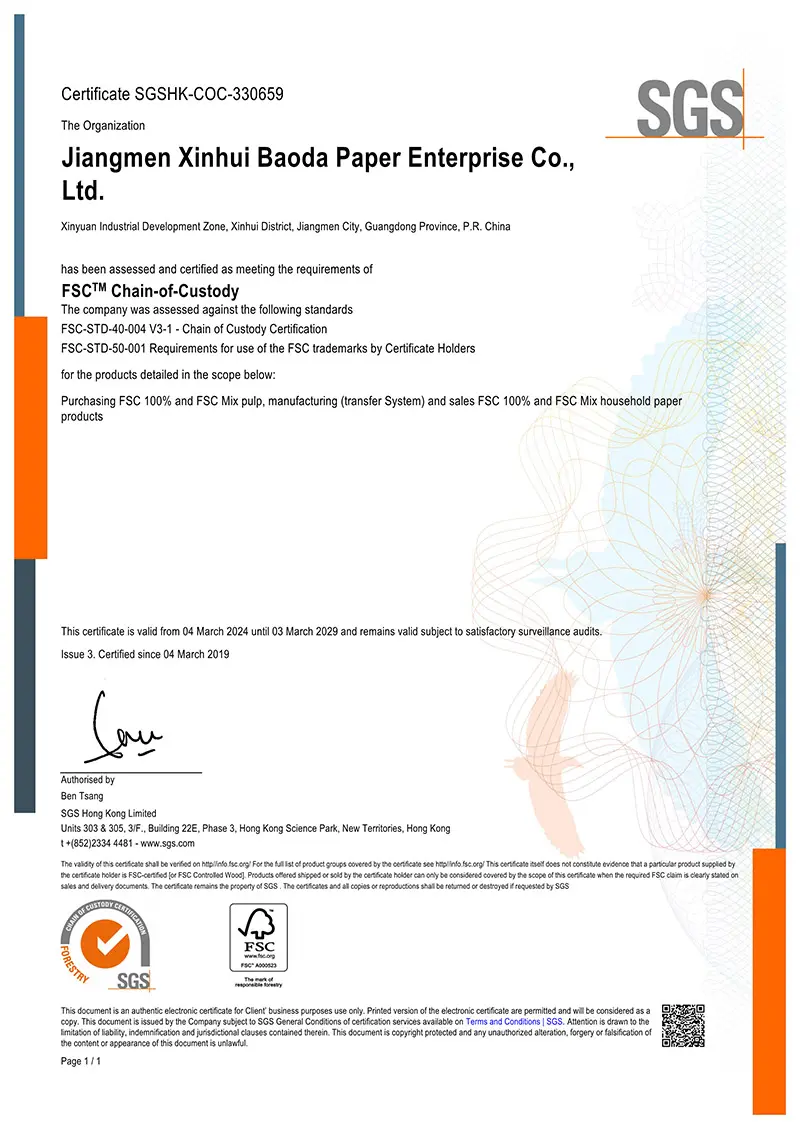
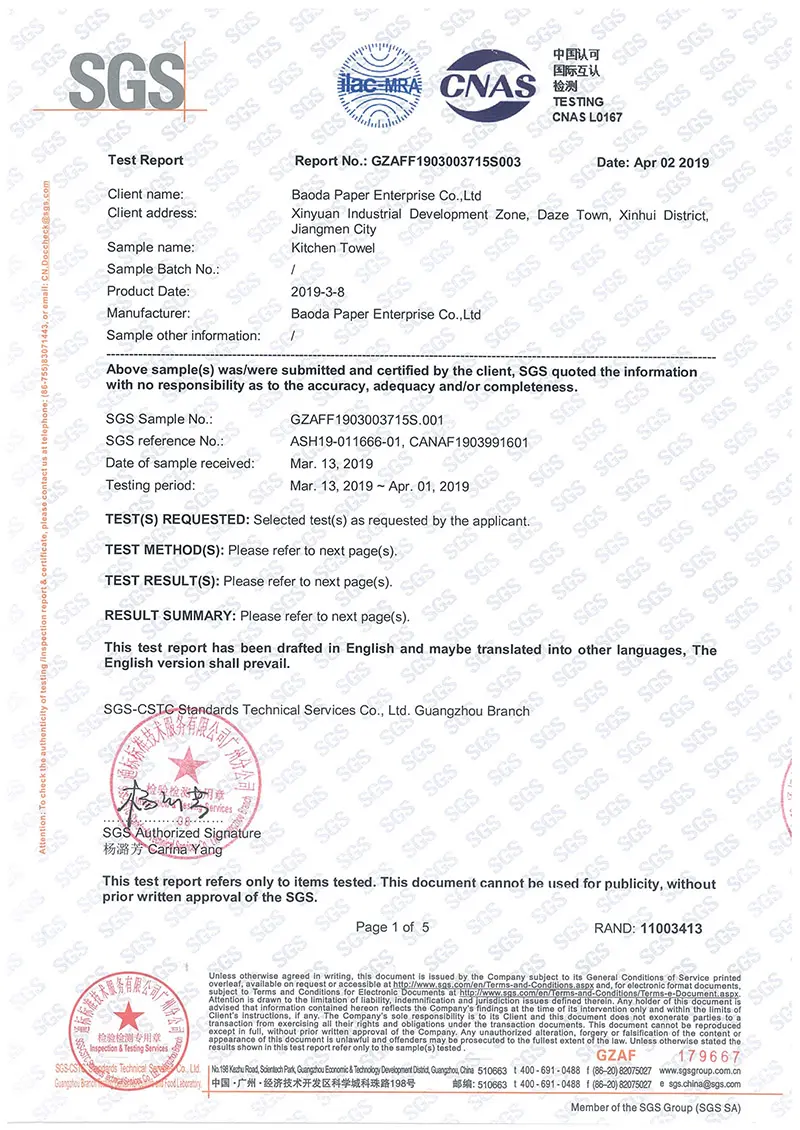
Answers to technical, regulatory, and supply questions for B2B buyers, distributors, and sourcing specialists.
 BAODA PAPER