Explore our elite selection of global supply-ready household, commercial, and customized private-label tissue papers engineered for maximum absorbency, softness, and cost efficiency.
Understanding the technical paradigms, regulatory mandates, and structural evolutions that drive modern household and commercial sanitary paper supply chains.
The global tissue paper industry is undergoing a structural transformation. Modern B2B procurement leaders face multiple pressures: fluctuating virgin pulp price indexes, rising carbon tax regimes, and increasingly rigid localized waste regulations. Industrial consumers, hotel chains, and retail giants can no longer treat toilet paper as a basic commodity. Instead, it is valued as an instrument of ESG (Environmental, Social, and Governance) compliance and customer satisfaction. The demand for reliable factories capable of guaranteeing multi-year capacity agreements with predictable cost-per-sheet pricing is higher than ever.
Additionally, logistics volatility requires factories to offer comprehensive one-stop solutions. High-volume B2B buyers must partner with manufacturers that possess deep understanding of custom container loading configurations. They must minimize wasted headspace while keeping roll deformation to zero during trans-oceanic shipping. Securing high tensile strength and high absorption rates while minimizing fiber loss is the default standard for today's procurement policies.
A major development in semantic search and user intent is the localization of toilet paper attributes. In North America, the preference leans heavily toward ultra-soft, high-GSM (grams per square meter) 2-ply and 3-ply bath tissues. In Western Europe, consumer demand focuses on eco-friendly, unbleached, or FSC-certified 2-ply variants packaged entirely in biodegradable wrapping. Conversely, the commercial sector—including airports, municipal complexes, and corporate spaces—requires high-capacity, heavy-duty rolls. These rolls must fit proprietary dispensers to deter theft and reduce maintenance cycles.
By tailoring production capabilities to meet these distinct regional needs, factories can optimize their manufacturing processes. From the embossing density (which affects bulk and absorbency) to core dimensions (designed to fit standard universal commercial dispensers), every detail is engineered to address the specific pain points of global buyers.
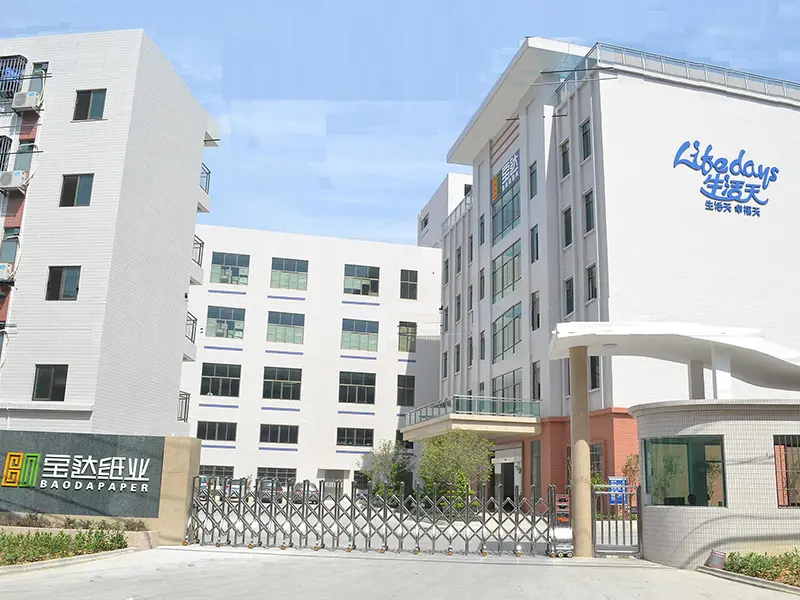
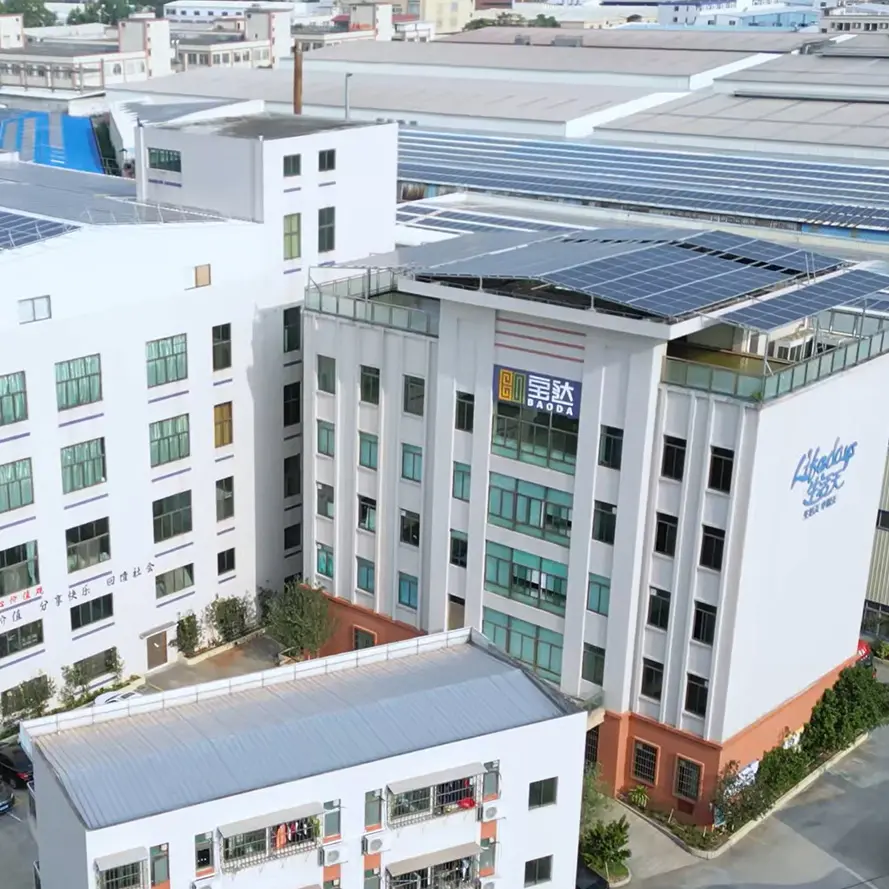
For over 27 remarkable years, since our inception in 1998, Baoda Paper Co., Ltd. has stood as an unwavering cornerstone of China's tissue paper industry, evolving from a domestic manufacturer into a globally recognized force. We have meticulously built our legacy on a formidable foundation of advanced manufacturing excellence and an unwavering commitment to quality.
Our modern, sprawling complex, exceeding 20,000 square meters, is a testament to this commitment. Within its walls, we house state-of-the-art, imported high-speed paper machines and sophisticated automated processing lines. This powerful infrastructure is the engine behind our impressive annual production capacity of over 30,000 tons, enabling us to meet large-scale demands without compromising on the consistent quality that defines the Baoda name.
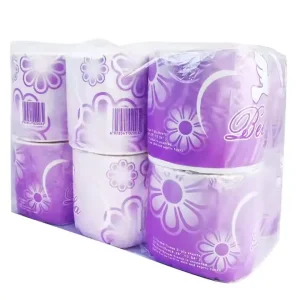
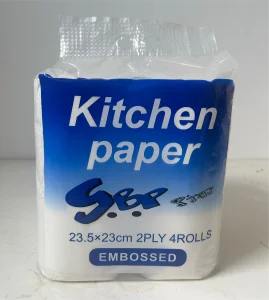
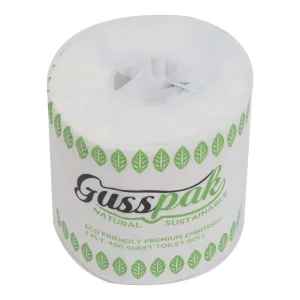
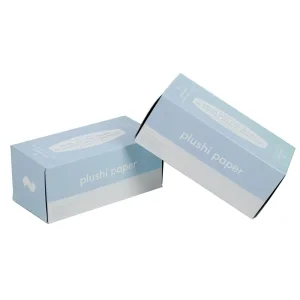
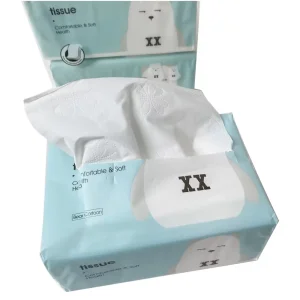
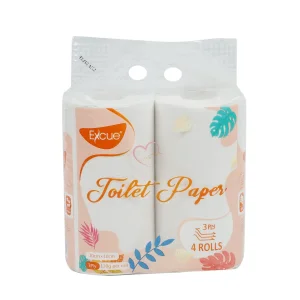
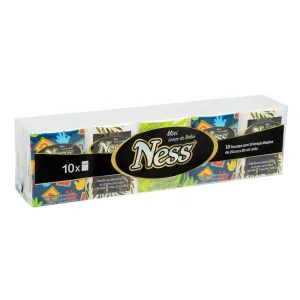
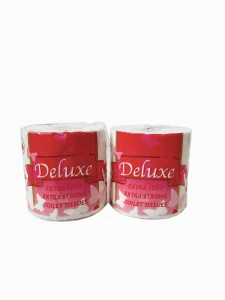
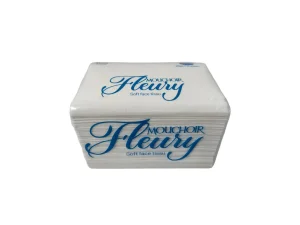
Our comprehensive and curated product portfolio is designed to provide complete one-stop solutions for diverse market needs. We offer an extensive range of products, from essential household items like premium toilet rolls, versatile kitchen towels, and soft facial tissues to convenient and hygienic pocket tissue packs for on-the-go use.
Understanding the diverse paths to market success, our business model is both robust and flexible. While we proudly market three successful self-owned brands, we are also a premier partner for clients seeking to build their own product lines. We specialize in tailored ODM (Original Design Manufacturing), OEM (Original Equipment Manufacturing), and OBM (Original Brand Manufacturing) services, working collaboratively to bring our clients' unique visions and brand identities to life with precision and expertise.
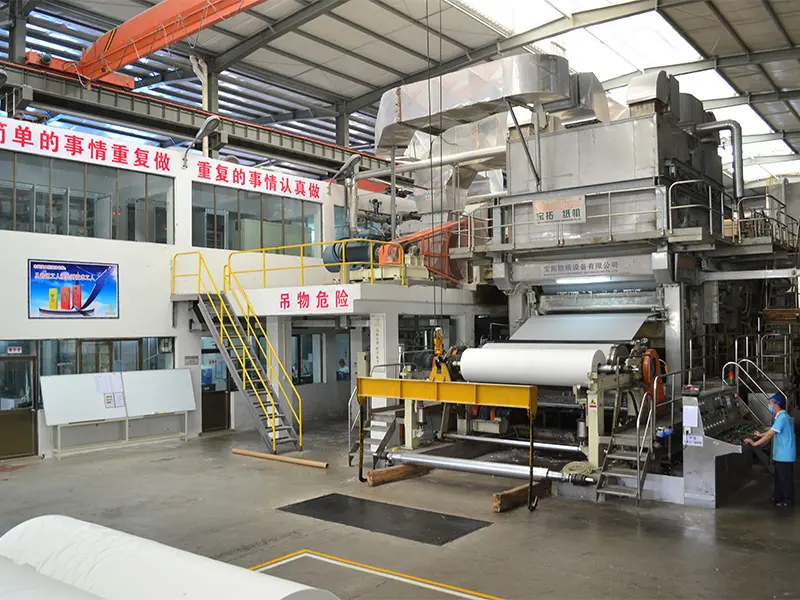
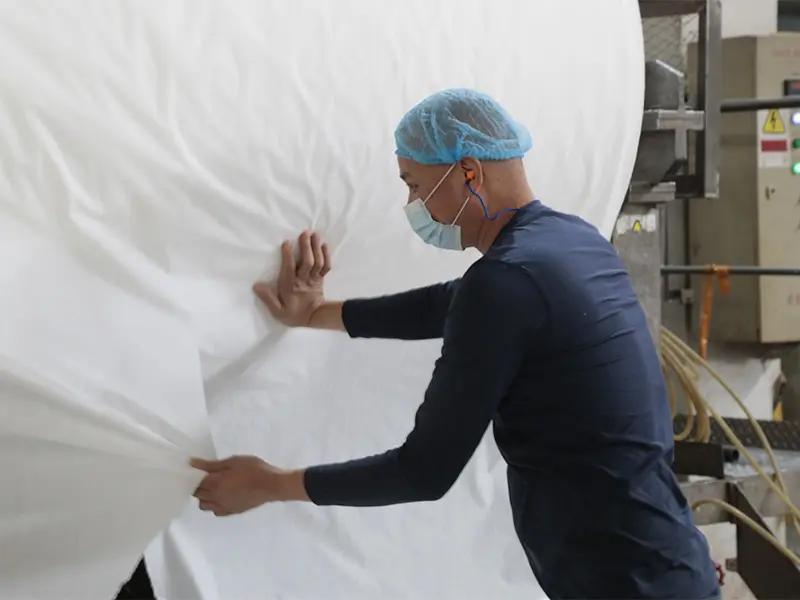
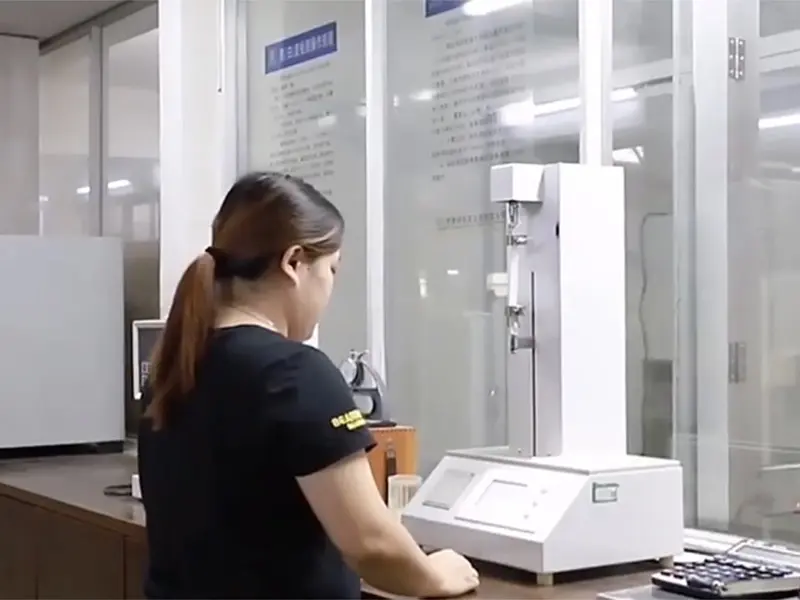
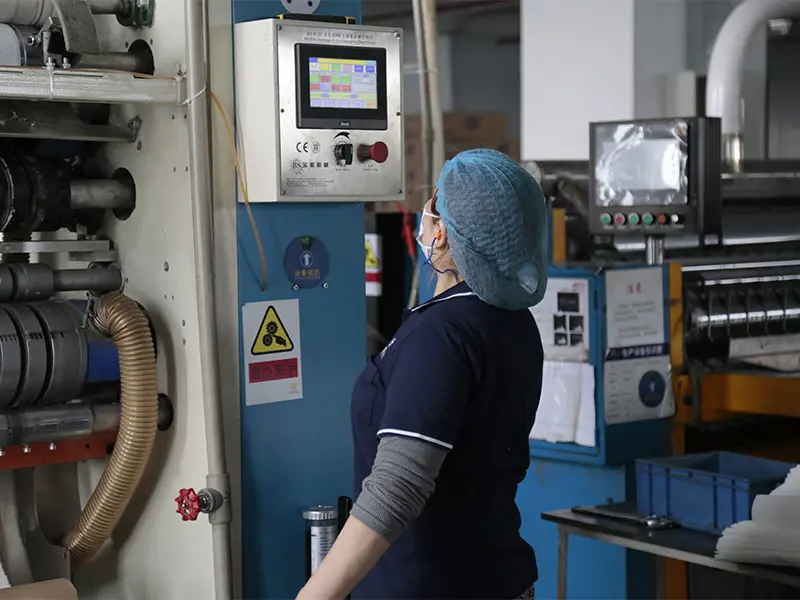
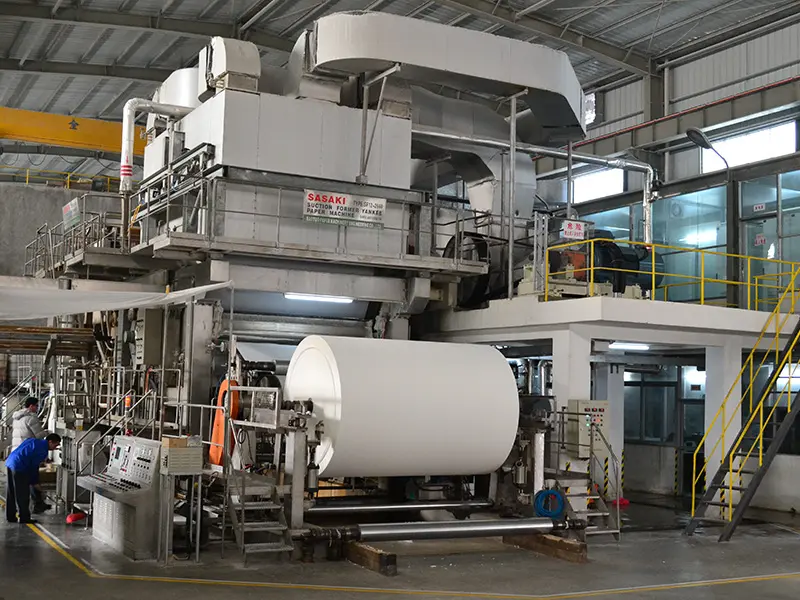
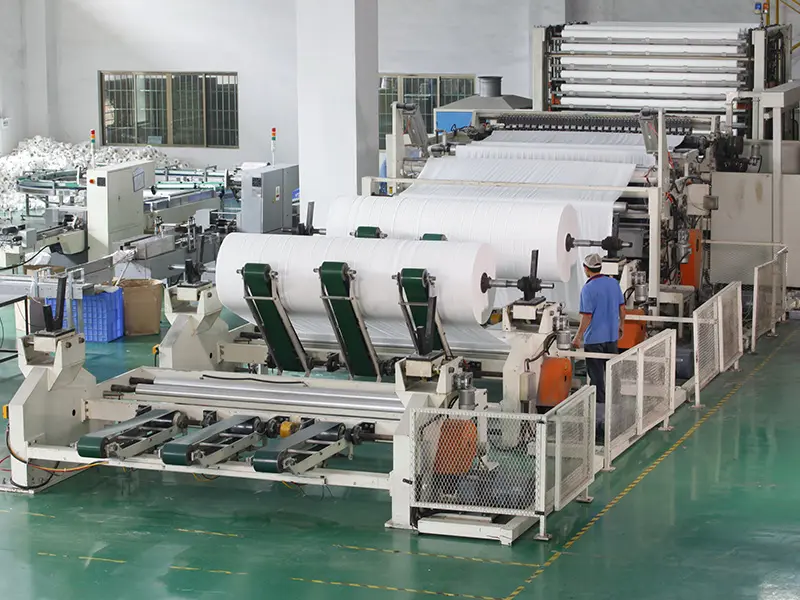
How state-of-the-art automation and intelligent manufacturing platforms insulate global buyers from pricing spikes and logistical delays.
By removing human intervention from the slitting, rewinding, and packing stages, we reduce structural defects and maintain strict dimensional accuracy. Our high-precision cutting technology guarantees clean edges and precise perforations, which are critical for high-speed dispensing systems.
Real-time telemetry monitors heat, steam, and water recovery systems on the paper machines. This ensures that energy consumption per ton of paper produced is kept to a minimum. This process efficiency is passed directly to the customer through stable pricing structures.
With established supply lines spanning over 60 countries across the Americas, Europe, Asia, and Australia, we leverage strategic partnerships to offer competitive shipping rates. This mitigates common geopolitical supply chain disruptions.
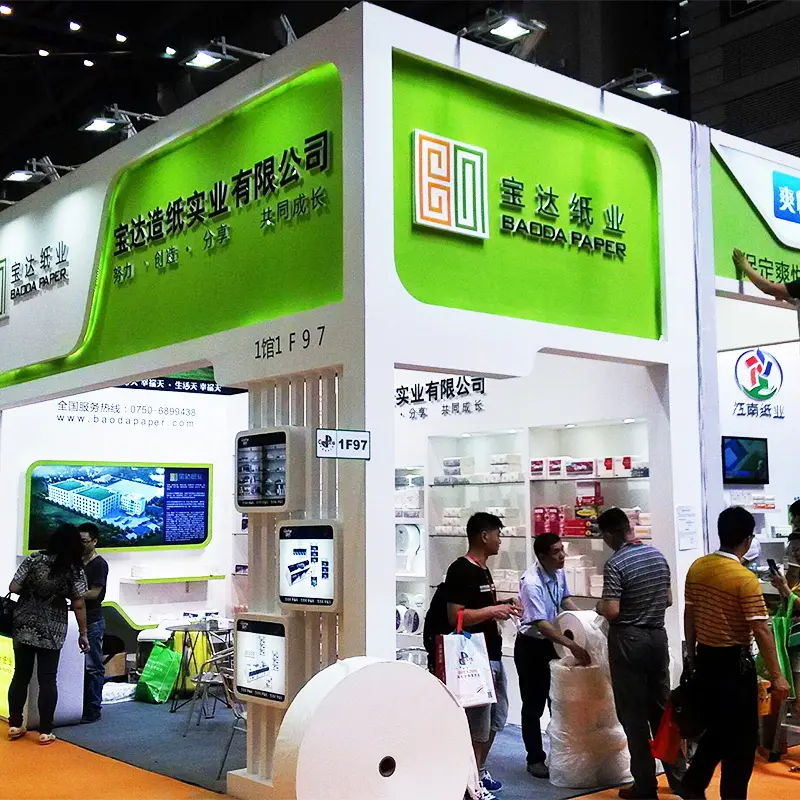
Our commitment to social responsibility and rigorous quality control has earned the trust of over 10,000 global leaders in retail and distribution, including renowned brands such as Walmart and Watsons.
Our international distribution network has a strong presence in key markets, including the United States and Australia. By investing in modern technology and maintaining transparent business practices, we provide reliable, high-standard OEM/ODM partnerships.
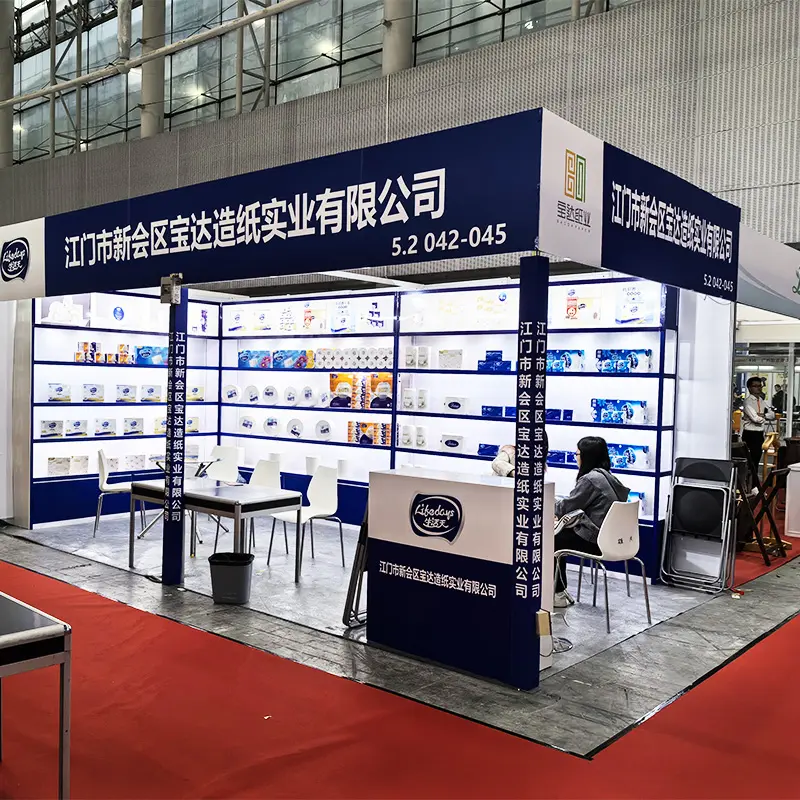
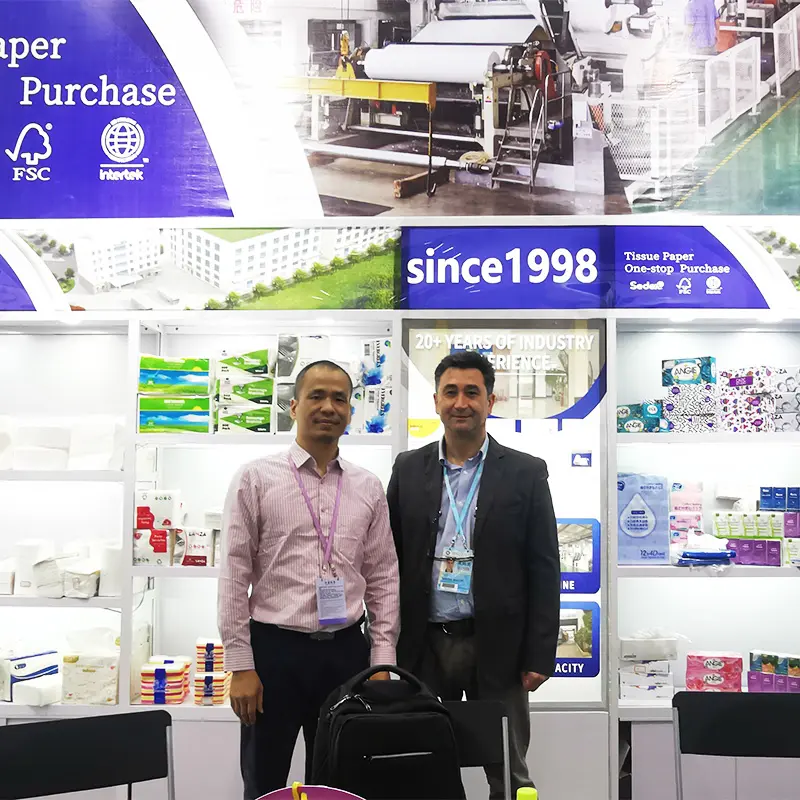
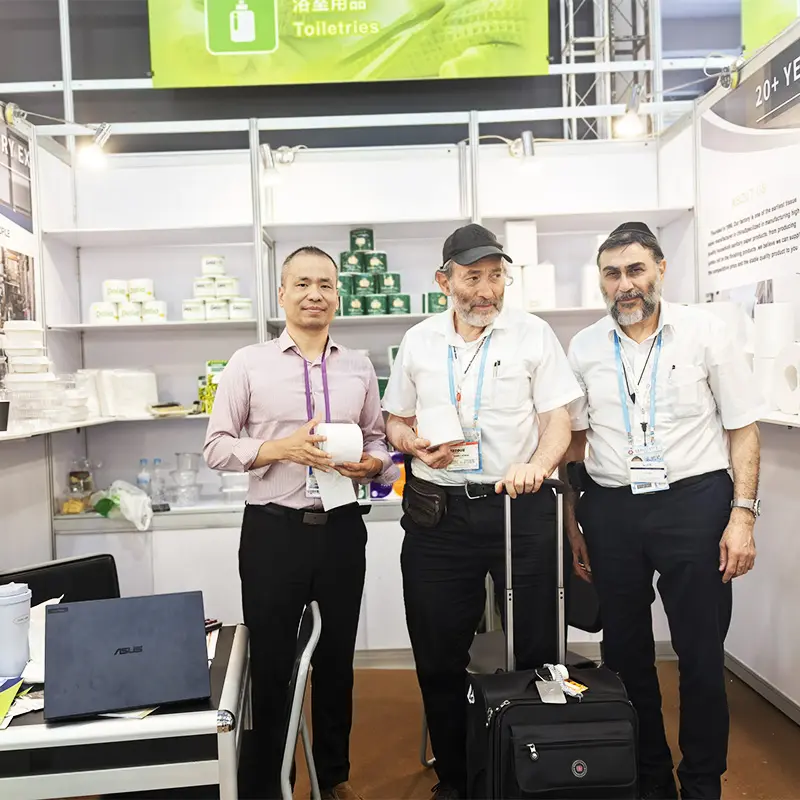
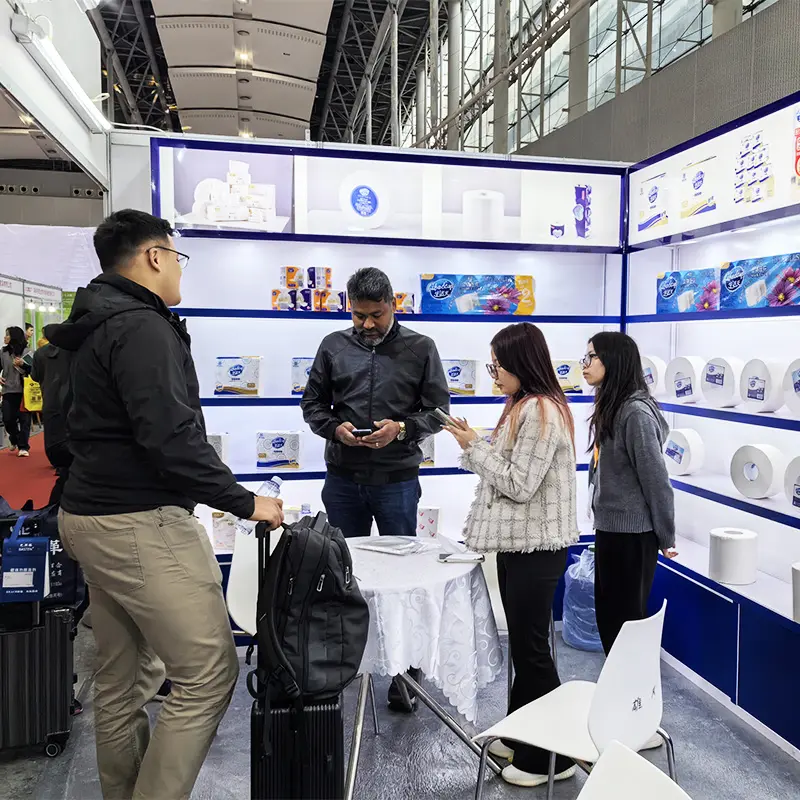
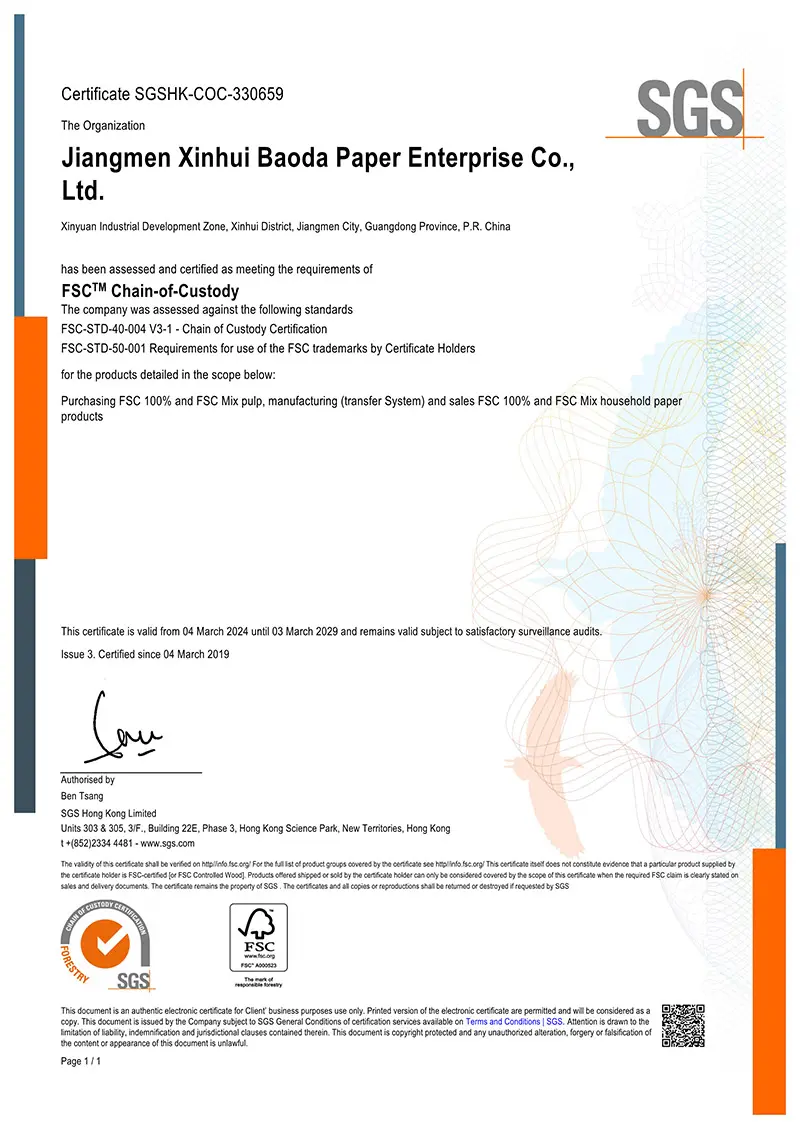
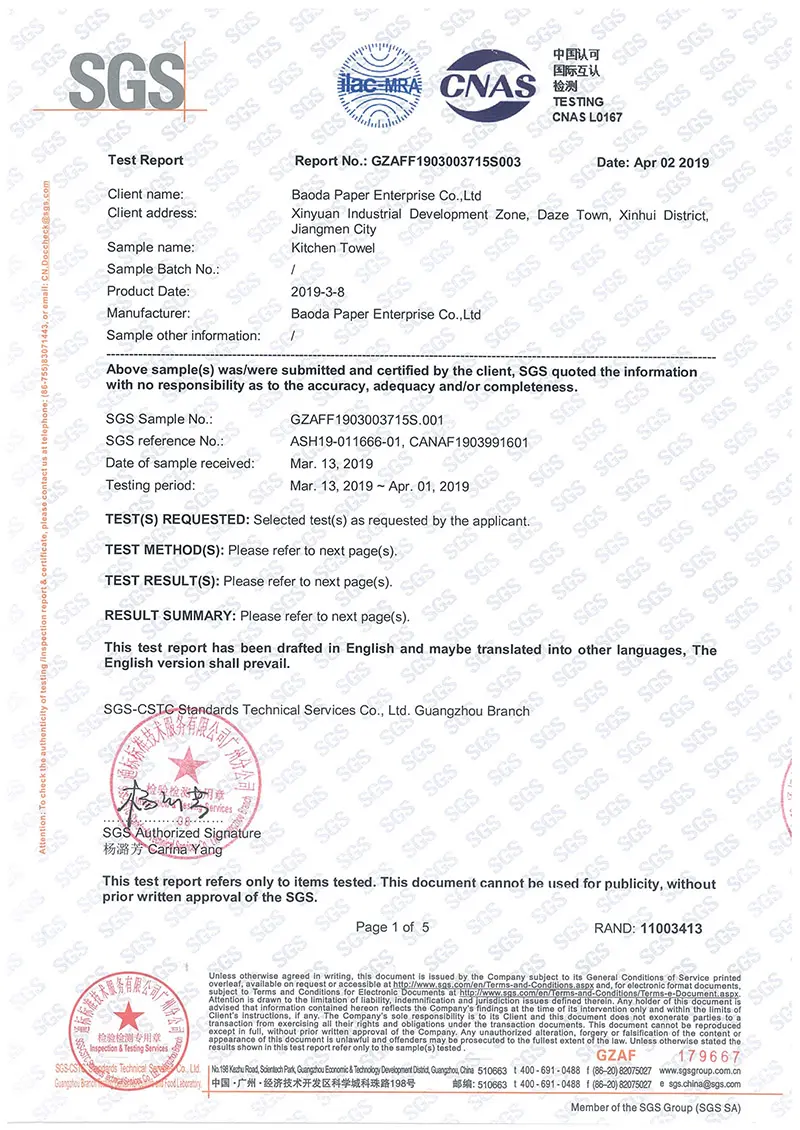
Our compliance with international standards is backed by strict third-party audits and certifications, ensuring complete transparency and peace of mind for B2B buyers.
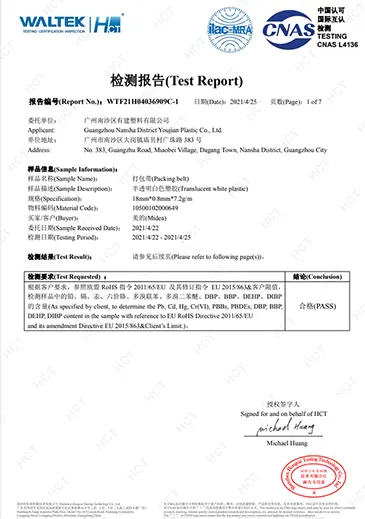
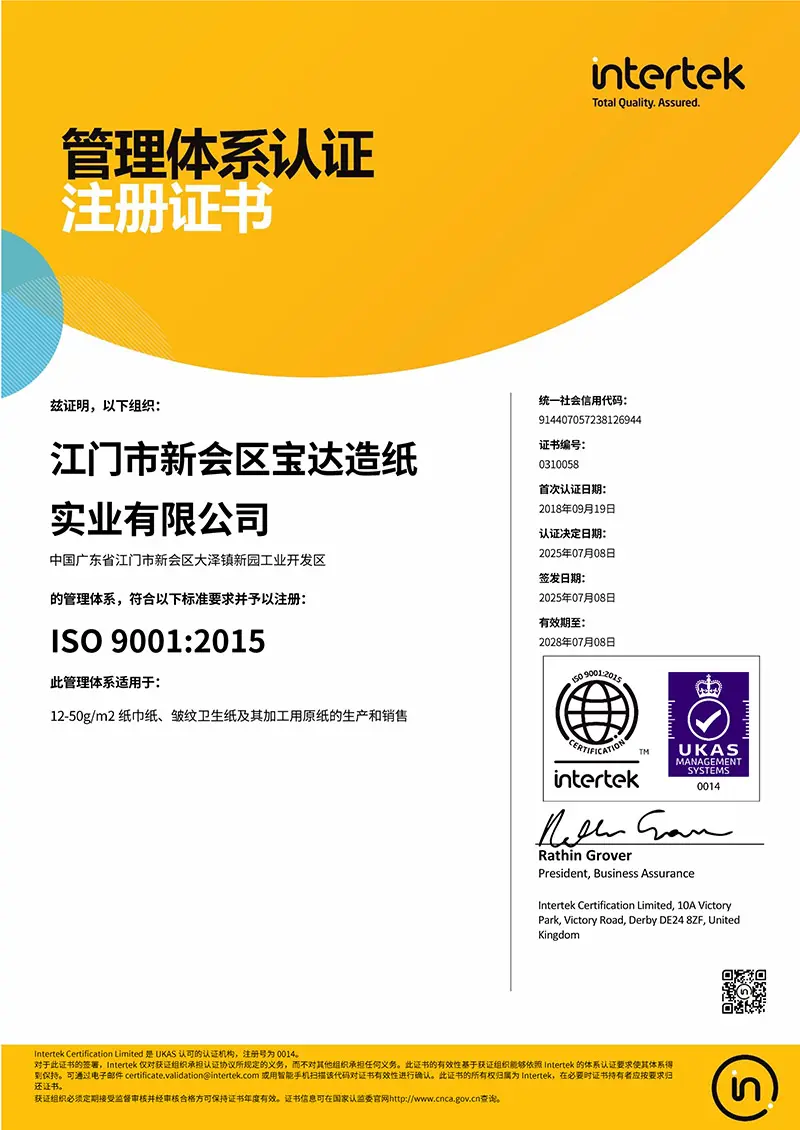
A professional B2B technical guide detailing the raw material science, embossing mechanics, and ply configurations of premium toilet paper.
The foundation of any high-quality toilet paper lies in its botanical fiber selection. 100% Virgin Wood Pulp contains long conifer softwood fibers (for tensile strength) combined with short deciduous hardwood fibers (for premium surface softness). Recycled paper fibers, while ecologically friendly, have shorter average fiber lengths due to repeated processing. This results in reduced dry-tensile strength and higher dust shedding. For medical, hospitality, and infant applications, virgin wood pulp is the preferred standard due to its hypoallergenic and chemical-free properties.
Embossing is not merely a decorative design. It is a critical mechanical process that alters the density of the paper web. By pressing precise micro-patterns into the tissue layers, the sheet's caliper (thickness) is artificially increased, forming tiny air pockets. These pockets act as capillary chambers, accelerating the rate of fluid absorption and increasing total fluid capacity. In multi-ply tissues, micro-dots are bonded together using heat, pressure, or food-grade water-soluble glue. This prevents ply separation when wet, ensuring the tissue remains structurally intact during use.
A critical challenge for high-speed automated converters is maintaining a balance between high dry-tensile strength (to prevent tearing during high-speed machine runs) and high wet-tensile degradation (to ensure the paper rapidly dissolves in plumbing systems). Quality control measures continuously test the MD (Machine Direction) and CD (Cross Direction) tensile parameters. The target perforations must be tuned to tear cleanly under user tension, while remaining strong enough to resist premature tearing on the converting line.
Modern global brands require rigorous compliance with the Forest Stewardship Council (FSC) to trace wood pulp back to responsibly managed forests. The bleaching process is also strictly controlled. Chlorine-free methods, such as ECF (Elemental Chlorine Free) or TCF (Totally Chlorine Free) bleaching, are used to prevent toxic discharge into regional water systems. This allows our products to meet strict ecological and safety criteria across Europe, North America, and Australia.
Practical advice, technical data, and policy clarifications to help supply chain directors optimize their purchasing decisions.
For custom OEM/ODM tissue manufacturing, the standard MOQ typically starts at 1x40' HQ container per specification. This volume helps optimize the automated converting machinery, reduces setup scrap, and provides cost-effective shipping rates for B2B buyers. Smaller trial orders can occasionally be accommodated depending on standard material availability.
Flushability is determined by the speed of fiber dispersion in water. We formulate our paper web with optimized cellulose configurations that retain high dry strength but break apart quickly when agitated in water. Our products are thoroughly tested to meet international standards for flushability, making them safe for modern septic systems.
ECF (Elemental Chlorine Free) pulp uses chlorine dioxide instead of elemental chlorine gas, which significantly reduces chlorinated organic compounds. TCF (Totally Chlorine Free) pulp avoids all chlorine-based compounds, using oxygen, ozone, or hydrogen peroxide instead. Both methods are widely accepted, though TCF is often requested for niche eco-sensitive markets.
Embossing increases the bulk of the paper sheet by introducing air pockets. This means that for a given sheet count, embossed paper creates a physically larger roll diameter than flat paper. During design, we balance embossing depth with roll winding tension to ensure the finished rolls fit standard dispensers and packaging requirements.
To support plastic-reduction initiatives, we offer alternative packaging materials, including FSC-certified paper wraps, kraft paper outer cartons, and compostable PLA (polylactic acid) bio-plastics. These options help brands meet regional plastic packaging taxes and align with consumer demand for sustainable packaging.
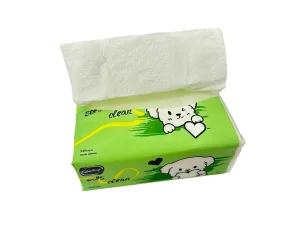
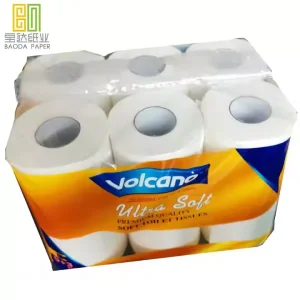
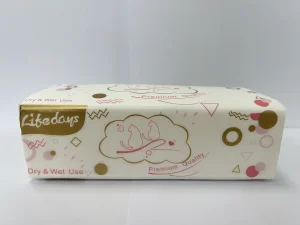
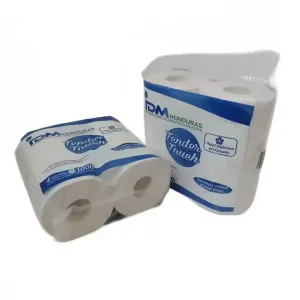
From pocket tissues to multi-ply luxury rolls, our advanced manufacturing capabilities cater to diverse retail, commercial, and household requirements.
 BAODA PAPER