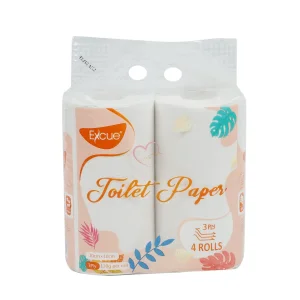
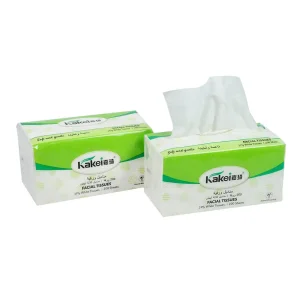
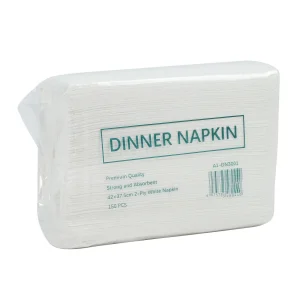
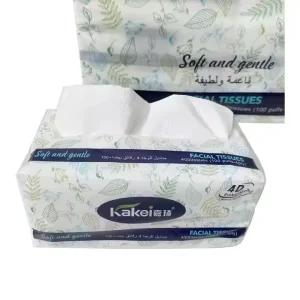
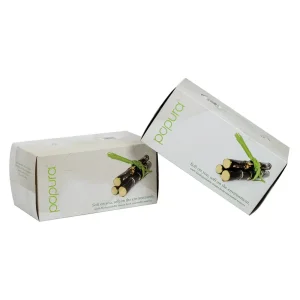
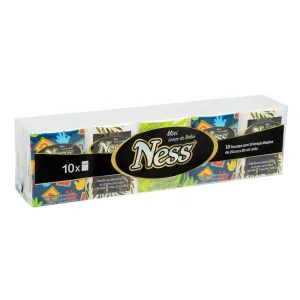
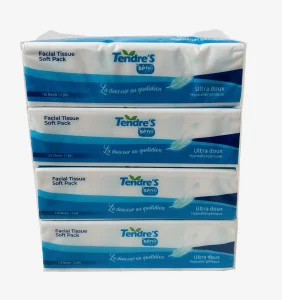
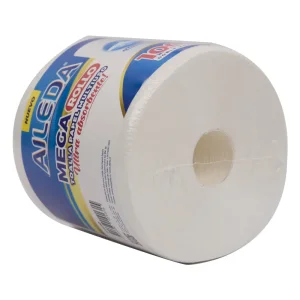
In the contemporary B2B paper and hygiene supply sector, procuring finished tissue products requires a comprehensive understanding of raw materials, environmental regulations, and production technologies. Global sourcing managers no longer seek basic commodities; they demand optimized tissue engineering, reliable bulk delivery, and strict adherence to environmental benchmarks. The demand for any paper towels product is deeply intertwined with structural demands: high wet tensile strength, rapid water absorption rates, skin-friendly softness, and ecological traceability.
This whitepaper acts as an authoritative overview of ODM (Original Design Manufacturing) and OEM (Original Equipment Manufacturing) structures within the paper towel industry. We explore manufacturing capacities, raw fiber classifications (virgin wood pulp vs. bamboo vs. recycled materials), custom embossing structures (micro, nested, and point-to-point), and the logistical infrastructure necessary to supply globally integrated retail chains, commercial offices, and hospitality sectors.
The global tissue paper market is undergoing a significant transformation driven by rapid urbanization, evolving sanitation policies, and a post-pandemic prioritization of personal hygiene. Commercial and industrial demand (Away-From-Home or AFH) accounts for a massive portion of bulk orders, while the At-Home retail tissue segment continues to trend towards premium 3-ply and 4-ply structures. Multinational sourcing teams must optimize their purchasing by aligning with vertically integrated manufacturing partners who control the supply chain from raw pulp imports to automated final packaging.
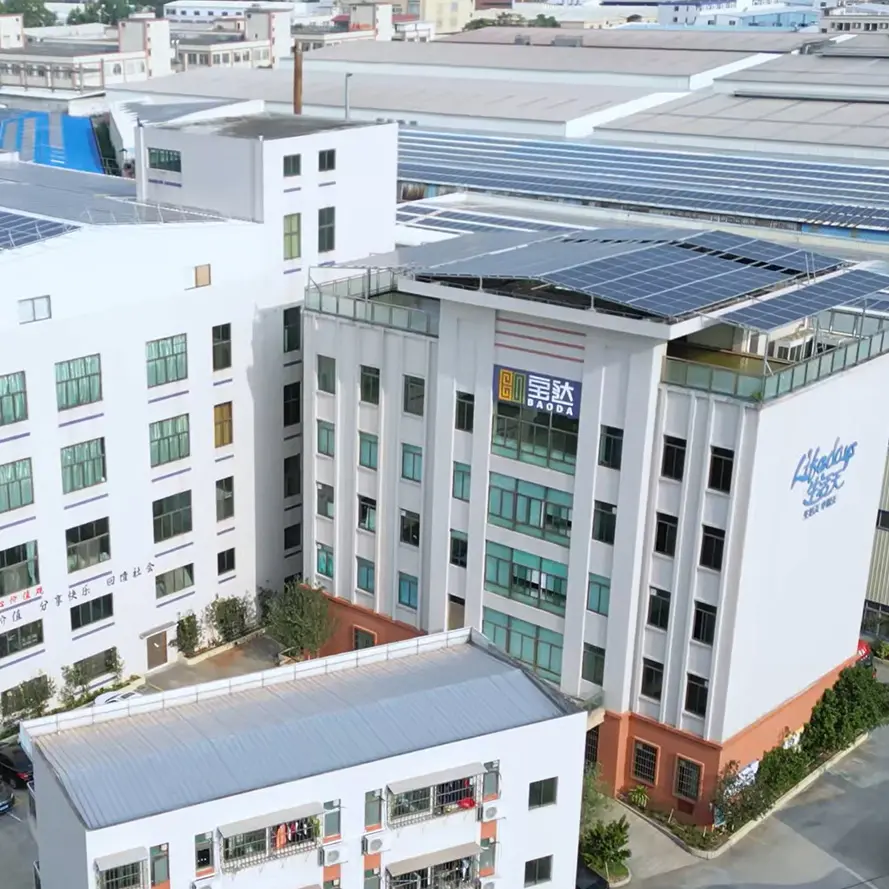
For over 27 remarkable years, since our inception in 1998, Baoda Paper Co., Ltd. has stood as an unwavering cornerstone of China's tissue paper industry, evolving from a domestic manufacturer into a globally recognized force. We have meticulously built our legacy on a formidable foundation of advanced manufacturing excellence and an unwavering commitment to quality. Our modern, sprawling complex, exceeding 20,000 square meters, is a testament to this commitment.
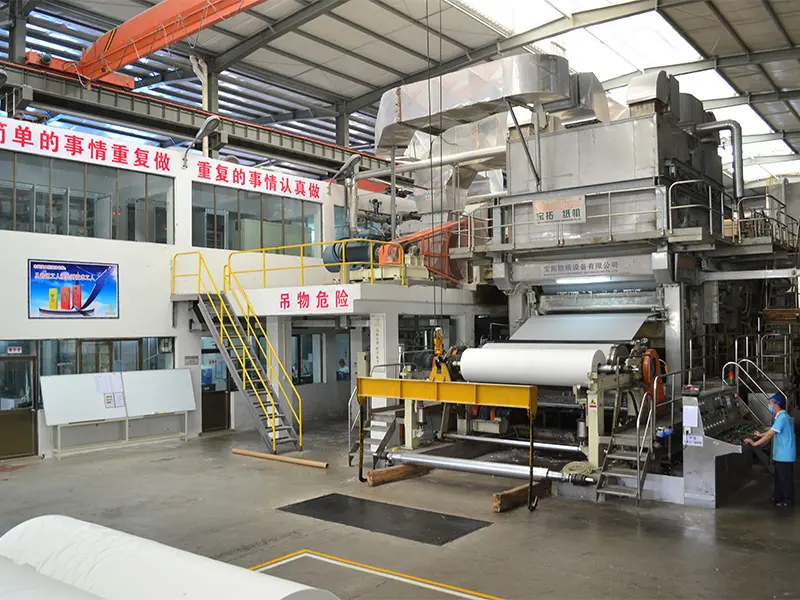
Within its walls, we house state-of-the-art, imported high-speed paper machines and sophisticated automated processing lines. This powerful infrastructure is the engine behind our impressive annual production capacity of over 30,000 tons, enabling us to meet large-scale demands without compromising on the consistent quality that defines the Baoda name. Our comprehensive and curated product portfolio is designed to provide complete one-stop solutions for diverse market needs, ranging from everyday household rolls to commercial hygiene products.

Understanding the diverse paths to market success, our business model is both robust and flexible. While we proudly market three successful self-owned brands, we are also a premier partner for clients seeking to build their own product lines. We specialize in tailored ODM (Original Design Manufacturing), OEM (Original Equipment Manufacturing), and OBM (Original Brand Manufacturing) services, working collaboratively to bring our clients' unique visions and brand identities to life with precision and expertise.
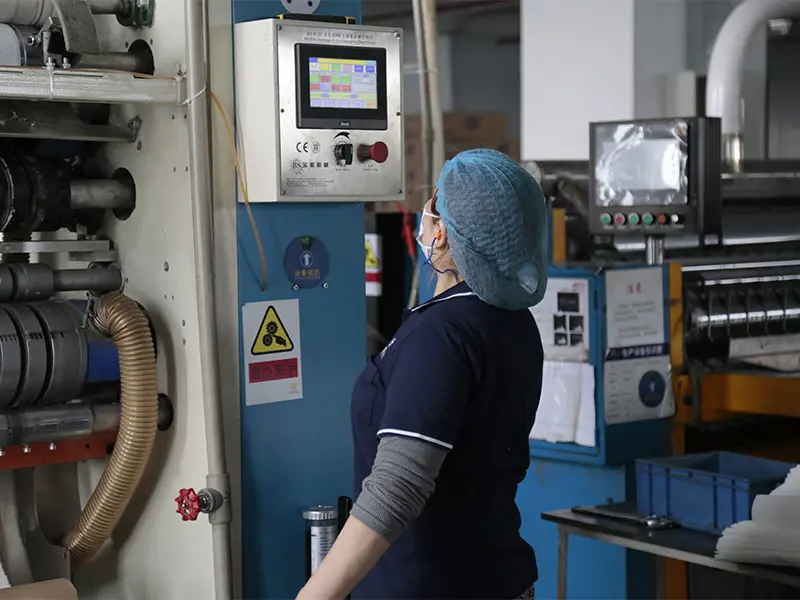
Our commitment to ethical corporate practices has earned us the trust of a vast network of over 10,000 global leaders in retail and distribution, including renowned consumer giants such as Walmart and Watsons. We enforce labor protection laws and implement clean energy initiatives to minimize local environmental impact.
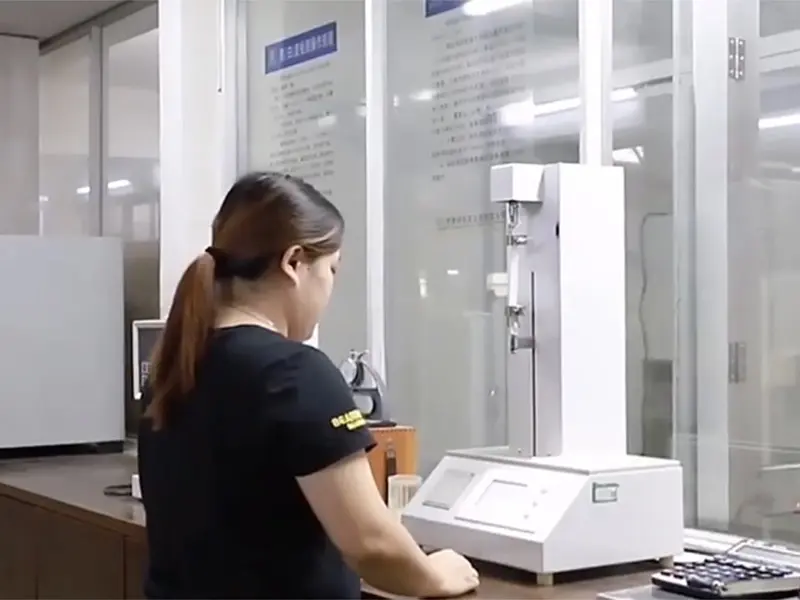
Our high-quality products and reliable service have enabled us to build a robust international distribution network spanning more than 60 countries across the Americas, Europe, Asia, and Australia, with significant presence in key markets like the United States and Australia. Every production batch undergoes strict tensile, safety, and absorption tests.
Through decades of innovation and consistent delivery, Baoda Paper has become more than just a manufacturer; we are a symbol of quality, reliability, and partnership in the dynamic global tissue market. We offer continuous technical support, direct logistics tracing, and product catalog updates.
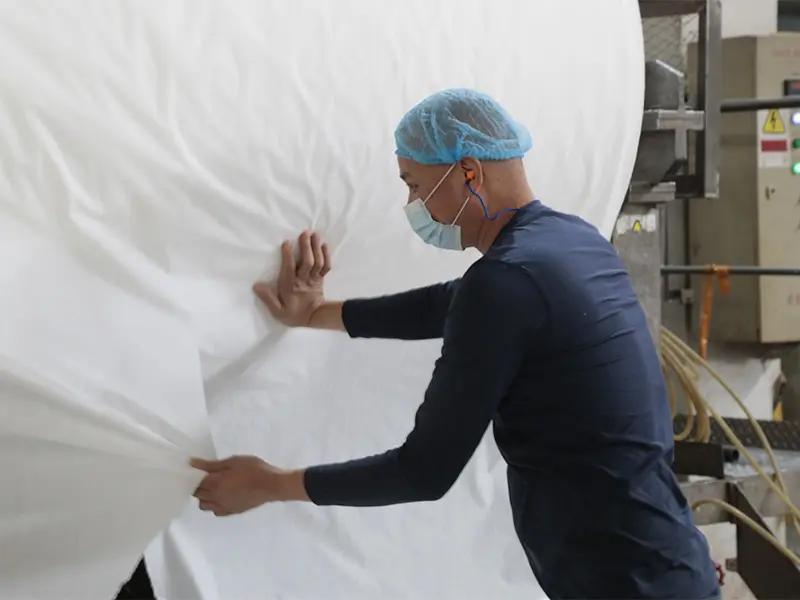
In paper towel engineering, the fundamental structure of the paper depends heavily on the botanical origin of the pulp. 100% Virgin Wood Pulp provides long, robust cellulose fibers that weave together to form a highly durable, high-strength substrate. Conversely, bamboo fibers present an eco-friendly option with natural antibacterial attributes. We process raw inputs through customized mechanical refinement systems to ensure optimal fiber length distribution.
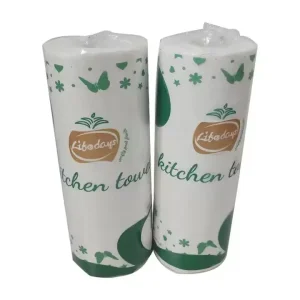
For customized bulk requirements, we can tailor the blend ratio. For example, high-absorption kitchen towels use a nested 2-ply design with long-fiber spruce pulp for wet-strength, while ultra-soft facial tissue utilizes short-fiber eucalyptus pulp to maximize tactile smoothness.
Standard flat paper towels lack the necessary capillary pathways for immediate fluid absorption. Through advanced Point-to-Point Embossing and Micro-Embossing rollers, our production lines create mechanical pockets that entrap liquid and increase the bulk thickness of the paper. This allows a 2-ply or 3-ply towel to absorb up to 4 times its dry weight in water.
We use organic, food-grade adhesive lamination to bond multiple plies together. This ensures that the paper sheets do not delaminate when wet, maintaining structure for cleaning grease, spills, or scrubbing surfaces.
We select certified sustainable forests to source premium raw wood. The fibers undergo a chemical-free mechanical cooking process to preserve natural cellulose integrity.
The pulp slurry is laid onto high-speed forming wires. Vacuum dewatering and automated dry steam cylinders form the base paper sheet at speeds up to 2000m/min.
Calendered paper goes through patterned steel-to-rubber rollers. Micro-embossing structures are pressed into the sheets before chemical-free adhesives bind the plies.
Large mother reels are sliced into targeted retail or commercial dimensions, wrapped in moisture-barrier polymer films, and packed in heavy-duty shipping cartons.
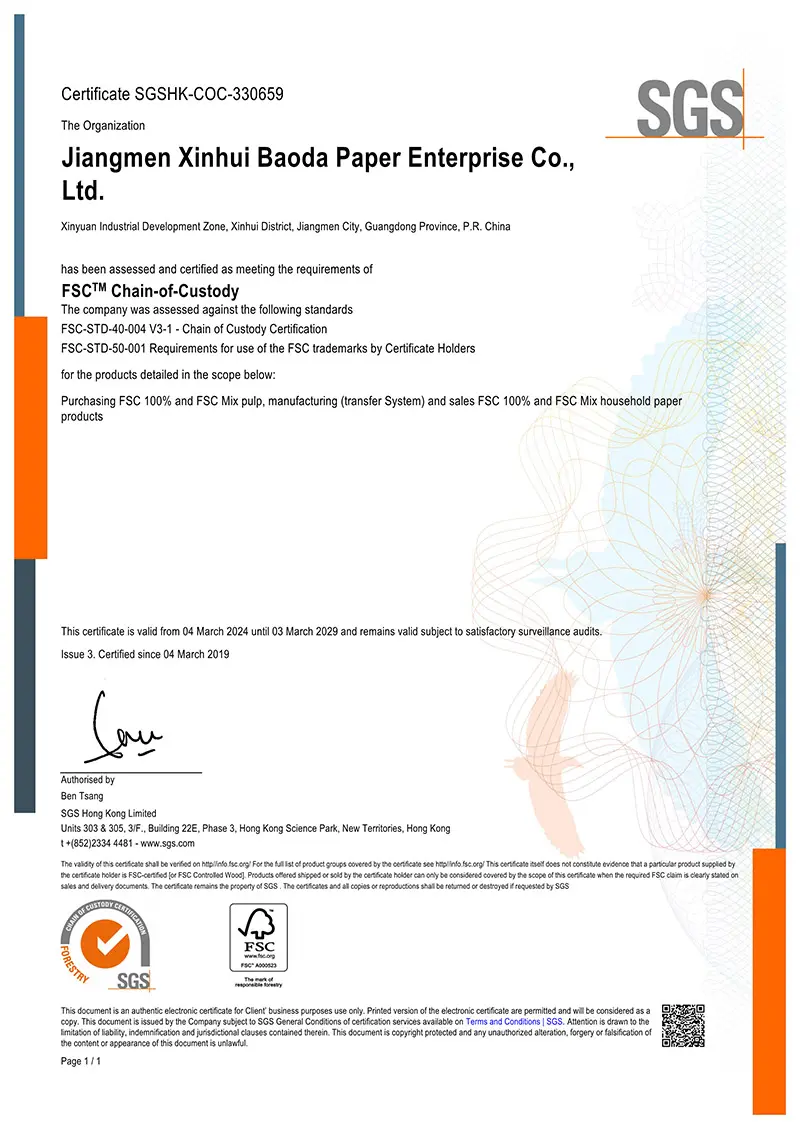
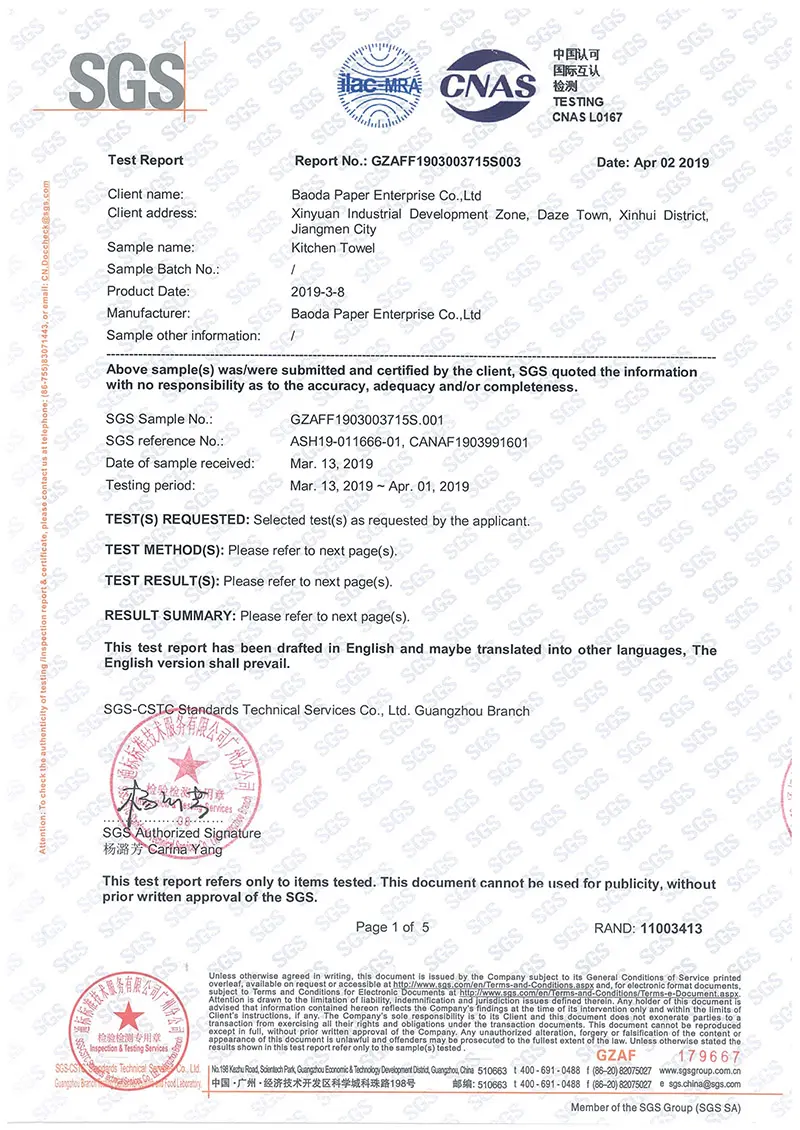
Baoda operates under rigorous quality management frameworks. We ensure all exported paper towels align with local regulations, including food contact safety (FDA & EU requirements), sustainable forestry standards, and consumer safety regulations.
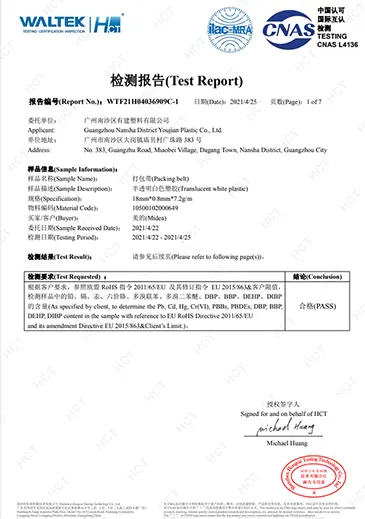
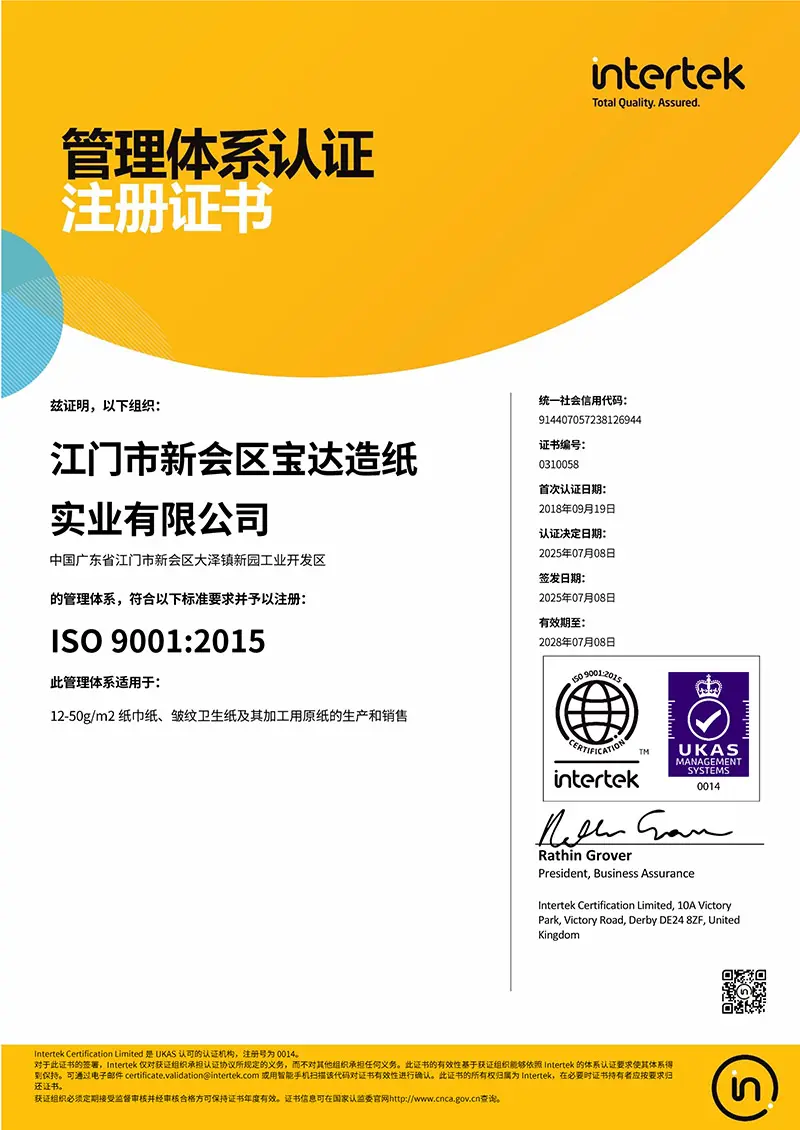
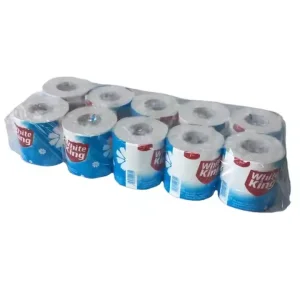
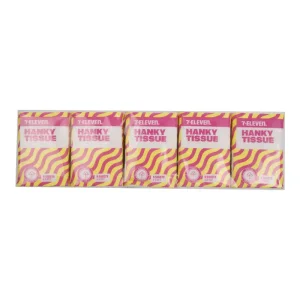
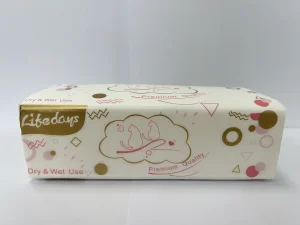
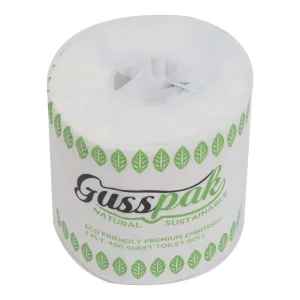
Our standard MOQ depends on the product category. For custom facial tissue boxes and pocket tissues, the MOQ typically ranges from 30,000 to 50,000 packs due to automated printing runs. For standard toilet rolls and kitchen towels, we evaluate MOQ based on weight and container volume, usually starting at one 40HQ container. We offer custom container load configurations to help retail chains optimize logistics costs.
We are fully committed to sustainable forest management. Our pulp is procured from suppliers who hold internationally recognized sustainability certifications (such as FSC). This ensures that every tree harvested is replaced, protecting natural ecosystems and ensuring our supply chain is free from illegal logging and deforestation.
The ply count represents the number of layered sheets bound together. A 3-ply paper towel balances high tensile strength and economy, making it ideal for standard household and kitchen operations. A 4-ply paper towel offers maximum absorbency, durability, and a premium hand-feel. 4-ply products are primarily used in high-end hotels, cosmetic applications, and heavy-duty wiping contexts.
Yes. Our kitchen towels and dinner napkins are manufactured from 100% virgin pulp without the addition of fluorescent whitening agents (FWA) or toxic migration elements. The manufacturing processes comply with FDA regulations for food contact safety and undergo regular SGS laboratory evaluations.
The ODM workflow starts with design specifications (dimensions, ply count, embossing patterns, and packaging graphics). After receiving raw design assets, our pre-press team delivers mock-ups within 3-5 working days. Once the samples are approved and deposit structures finalized, physical tooling and bulk production typically require 20 to 30 days depending on the customization complexity.
 BAODA PAPER