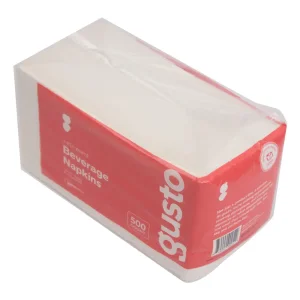
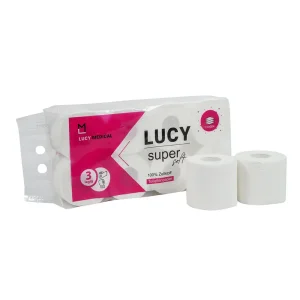
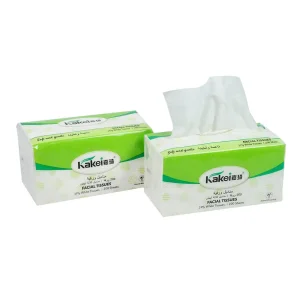
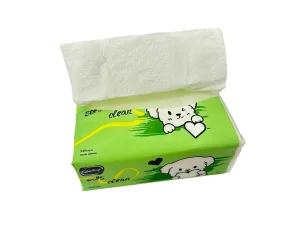
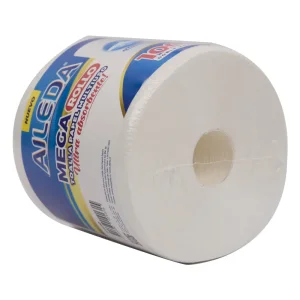
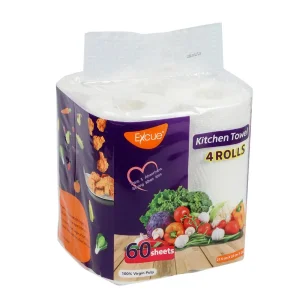
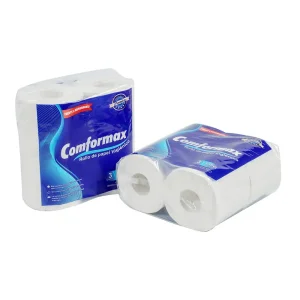
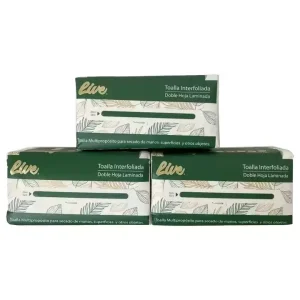
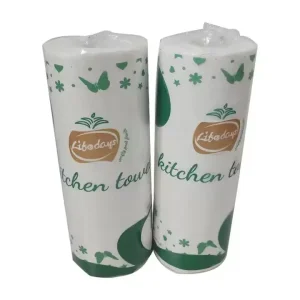
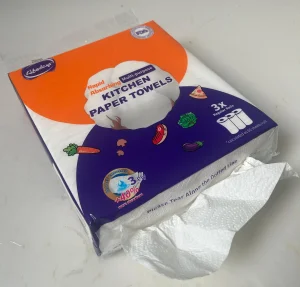
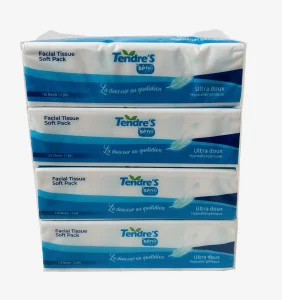
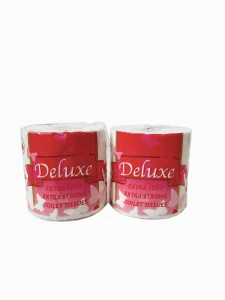
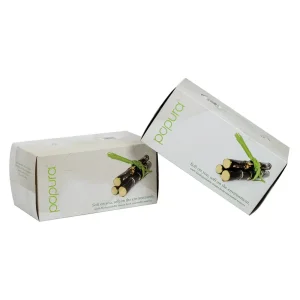
Explore our premium grade selection of custom printed toilet rolls, multi-ply napkins, and specialized kitchen papers manufactured for heavy-duty commercial demands.
Analyzing fiber structures, tensile distribution, and chemical formulations that balance high wet strength with rapid dispersal flushability.
In B2B facilities procurement and global tissue distribution, few specifications present a more demanding engineering paradox than "No Tear" toilet paper. For decades, commercial property managers, medical procurement officers, and hospitality suppliers faced an ongoing compromise. High-traffic bathrooms demanded a highly durable, tear-resistant toilet paper to reduce waste, prevent dispenser jams, and deliver a premium user experience. However, traditional methods for increasing tissue durability—such as increasing polymer binders or dense cross-linking of wood fibers—often led to catastrophic plumbing blockages, costly septic failures, and decreased environmental compliance.
As a leading ODM No Tear Toilet Paper Manufacturer, Baoda Paper has solved this dynamic using advanced materials science. Through selective long-fiber allocation, multi-ply mechanical binding, and proprietary wet-strength adjustments, we deliver products that hold structural integrity under heavy dynamic load while maintaining immediate dispersion properties upon submersion. This white paper highlights the core technologies, supply chain systems, and localization parameters that define modern, high-durability B2B tissue manufacturing.
To produce a toilet paper that will not tear prematurely when pulled from automatic or high-tension dispensers, the raw pulping recipe must be balanced. General wood pulp consists of long-fiber softwoods (e.g., Pine, Spruce) which provide structural tensile strength, and short-fiber hardwoods (e.g., Eucalyptus, Birch) which contribute softness, absorbency, and bulk.
Our engineering laboratory utilizes a specialized ratio, typically combining 70% premium softwood pulp with 30% refined hardwood pulp. During the refining process, the fiber orientation is tightly controlled via high-speed paper-making machines. By optimizing the fiber alignment in the Machine Direction (MD) and Cross Direction (CD), we achieve a high tensile strength index, ensuring the paper withstands initial pulling tension without fracturing. The result is a resilient roll that dispenses cleanly without shredding or tearing in the user's hand.
A frequent error among lower-tier suppliers is the over-reliance on permanent wet-strength resins (such as polyamide-epichlorohydrin or PAE). While PAE successfully stops the paper from tearing when exposed to moisture, it resists water degradation for hours, making it highly unsuitable for commercial sewage systems.
Baoda's R&D department incorporates eco-friendly, temporary wet-strength agents (such as modified glyoxalated polyacrylamides or GPAM). This chemistry creates strong, temporary hydrogen bonds across the fiber network that resist tearing during use. However, when the paper is discarded and flushed, the abundance of water breaks down these bonds within seconds, allowing the cellulose fibers to separate. This guarantees that our toilet paper complies with all global flushability standards, including the rigorous FG502 guidelines established by INDA and EDANA.
For over 27 remarkable years, since our inception in 1998, Baoda Paper Co., Ltd. has stood as an unwavering cornerstone of China's tissue paper industry, evolving from a domestic manufacturer into a globally recognized force. We have meticulously built our legacy on a formidable foundation of advanced manufacturing excellence and an unwavering commitment to quality.
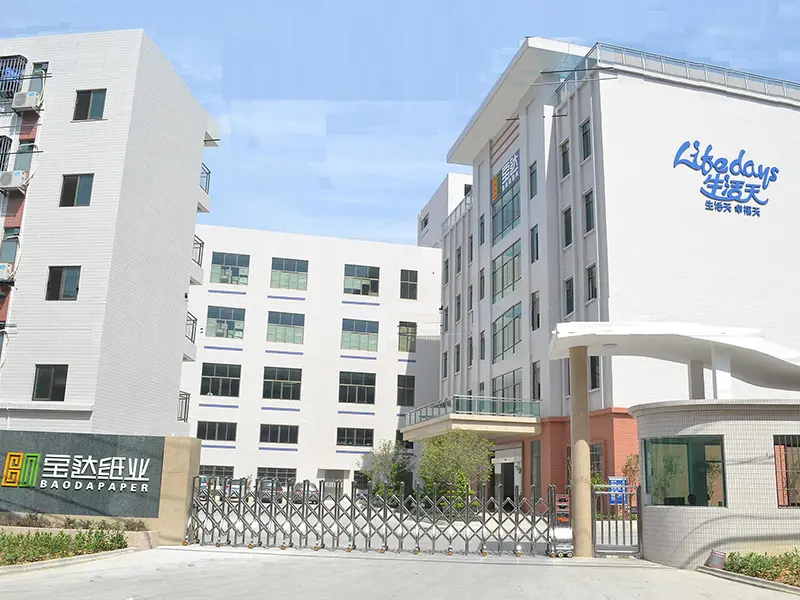
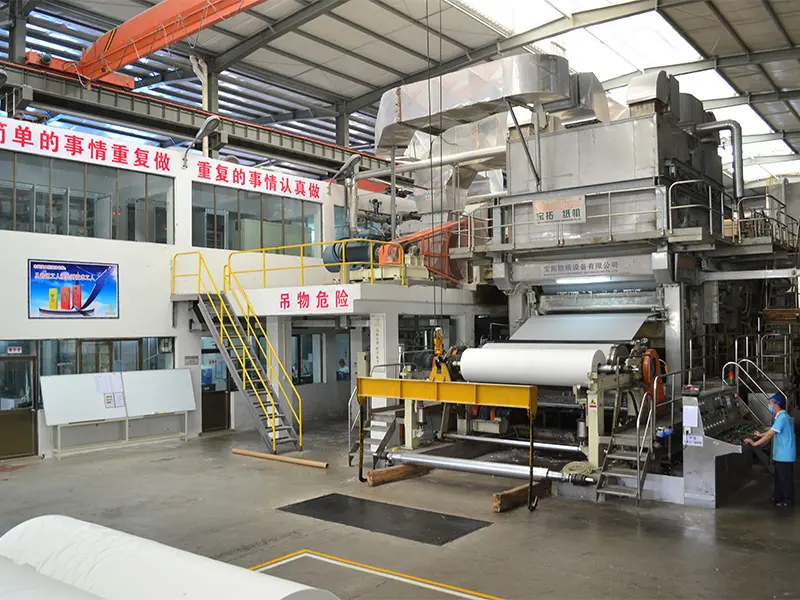
Our modern, sprawling complex, exceeding 20,000 square meters, is a testament to this commitment. Within its walls, we house state-of-the-art, imported high-speed paper machines and sophisticated automated processing lines. This powerful infrastructure is the engine behind our impressive annual production capacity of over 30,000 tons, enabling us to meet large-scale demands without compromising on the consistent quality that defines the Baoda name.
Our comprehensive and curated product portfolio is designed to provide complete one-stop solutions for diverse market needs. We offer an extensive range of products, from essential household items like premium toilet rolls, versatile kitchen towels, and soft facial tissues to convenient and hygienic pocket tissue packs for on-the-go use.
Understanding the diverse paths to market success, our business model is both robust and flexible. While we proudly market three successful self-owned brands, we are also a premier partner for clients seeking to build their own product lines. We specialize in tailored ODM (Original Design Manufacturing), OEM (Original Equipment Manufacturing), and OBM (Original Brand Manufacturing) services, working collaboratively to bring our clients' unique visions and brand identities to life with precision and expertise.
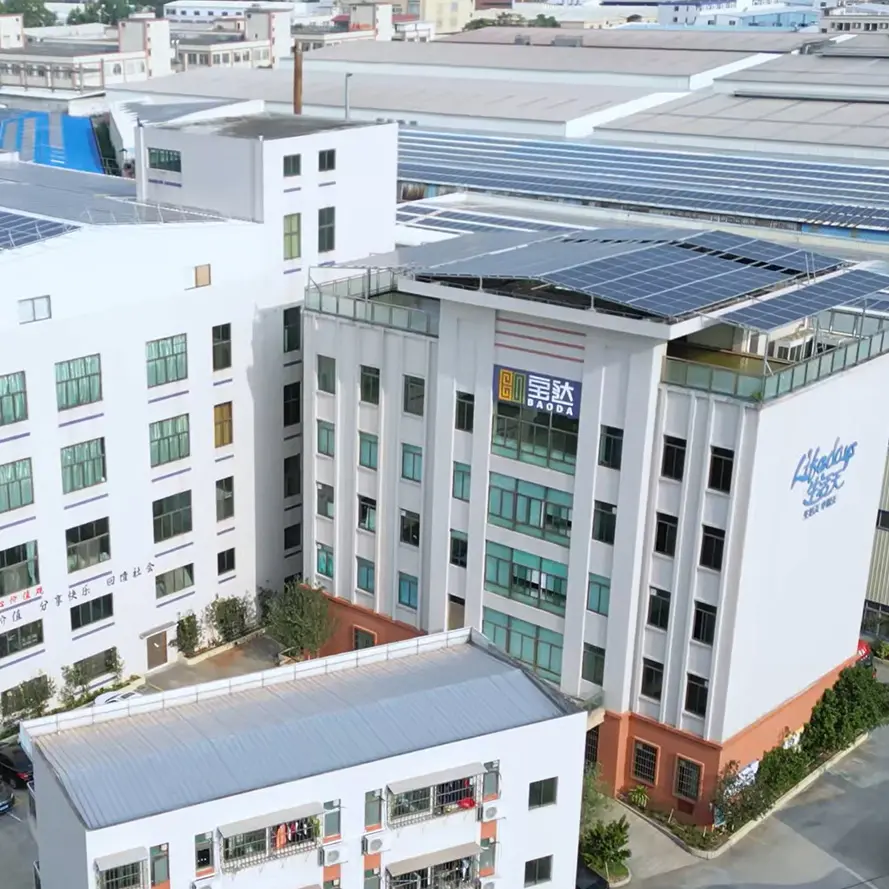
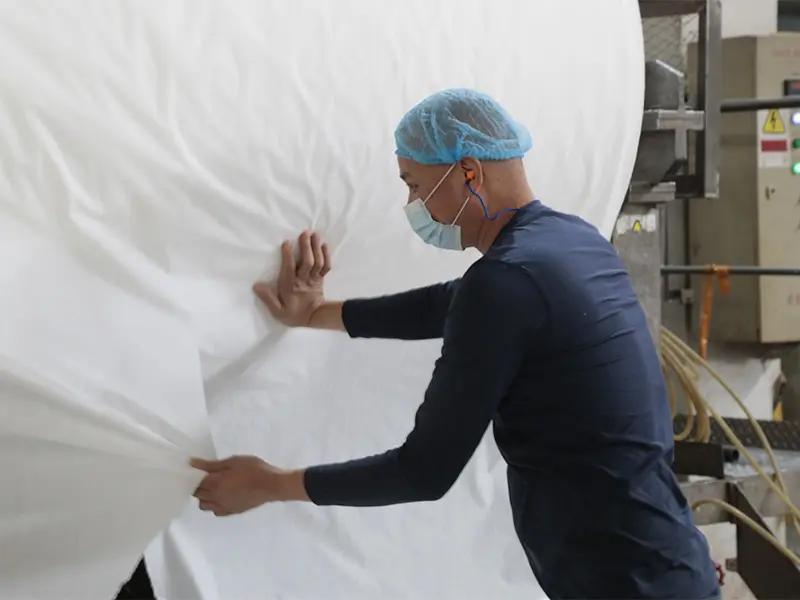
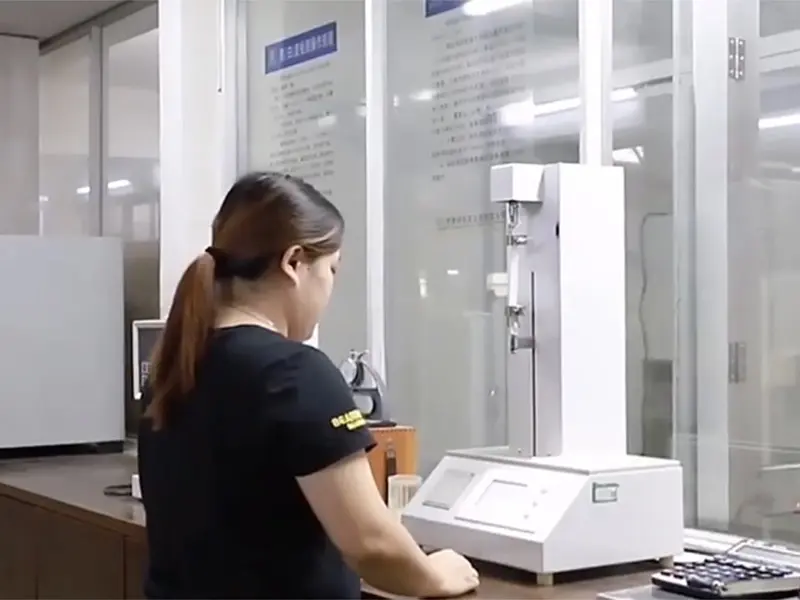
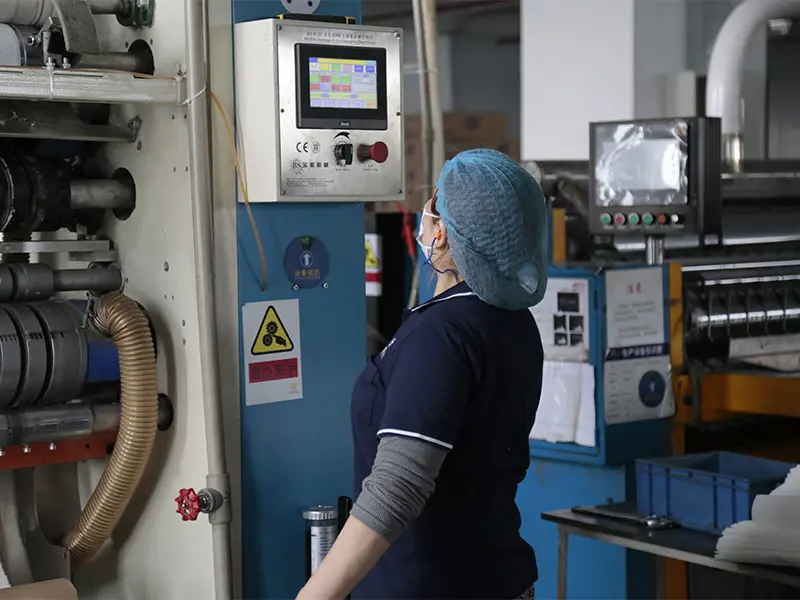
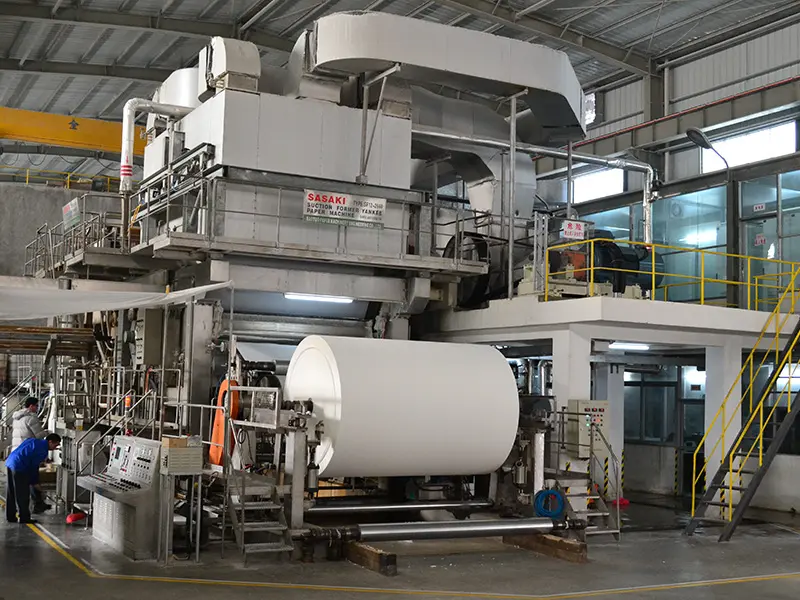
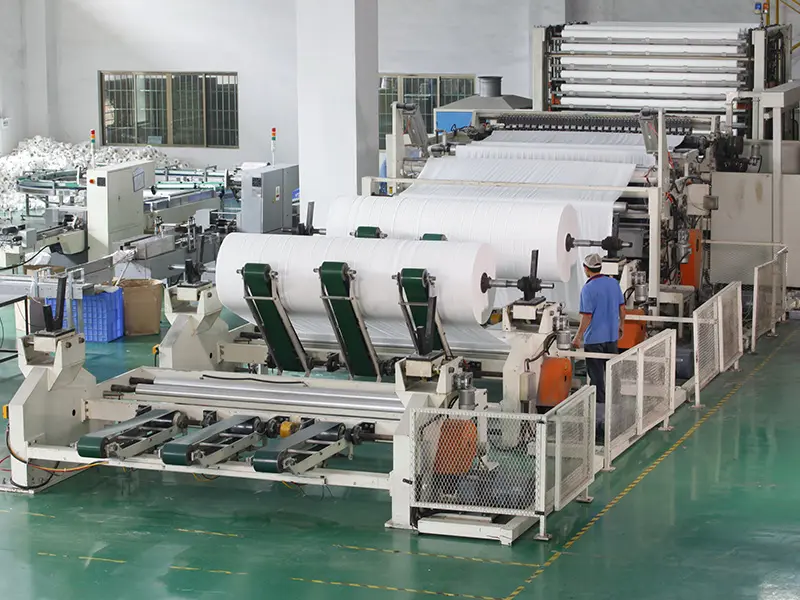
We blend robust corporate social responsibility with high-standard engineering and unparalleled client support.
Our structural commitment to green energy and labor compliance has earned us the trust of over 10,000 global leaders in retail and distribution, including Walmart and Watsons.
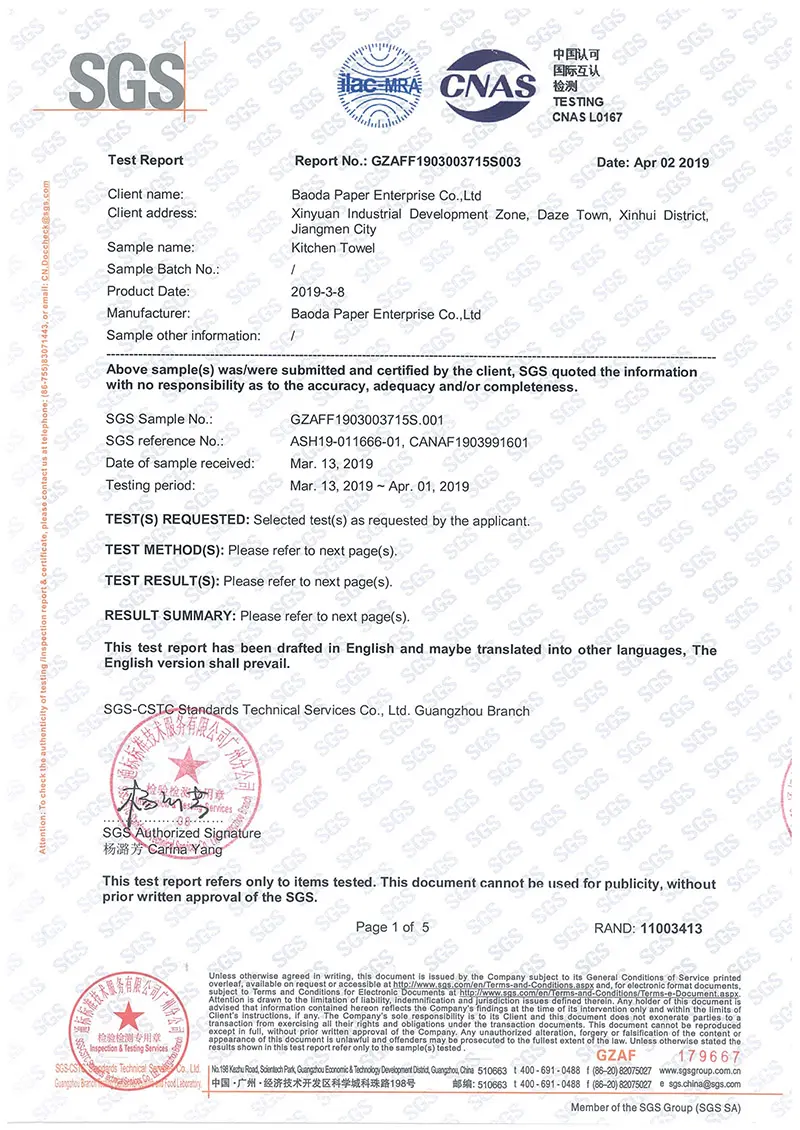
Our rigorous quality inspections cover raw wood pulp verification, fiber tension testing, and microbial safety, supporting distribution across the Americas, Europe, and Asia.
We provide localized technical consulting, customs clearance assistance, packaging localization, and flexible cargo solutions to maximize profitability and minimize lead times.
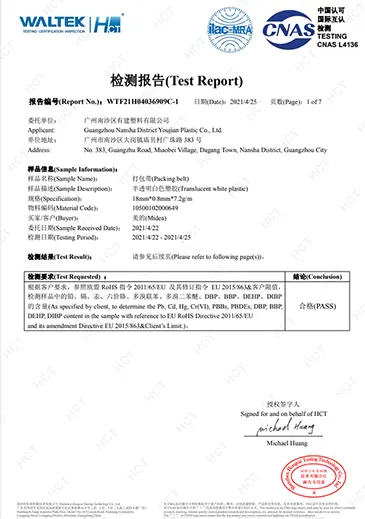
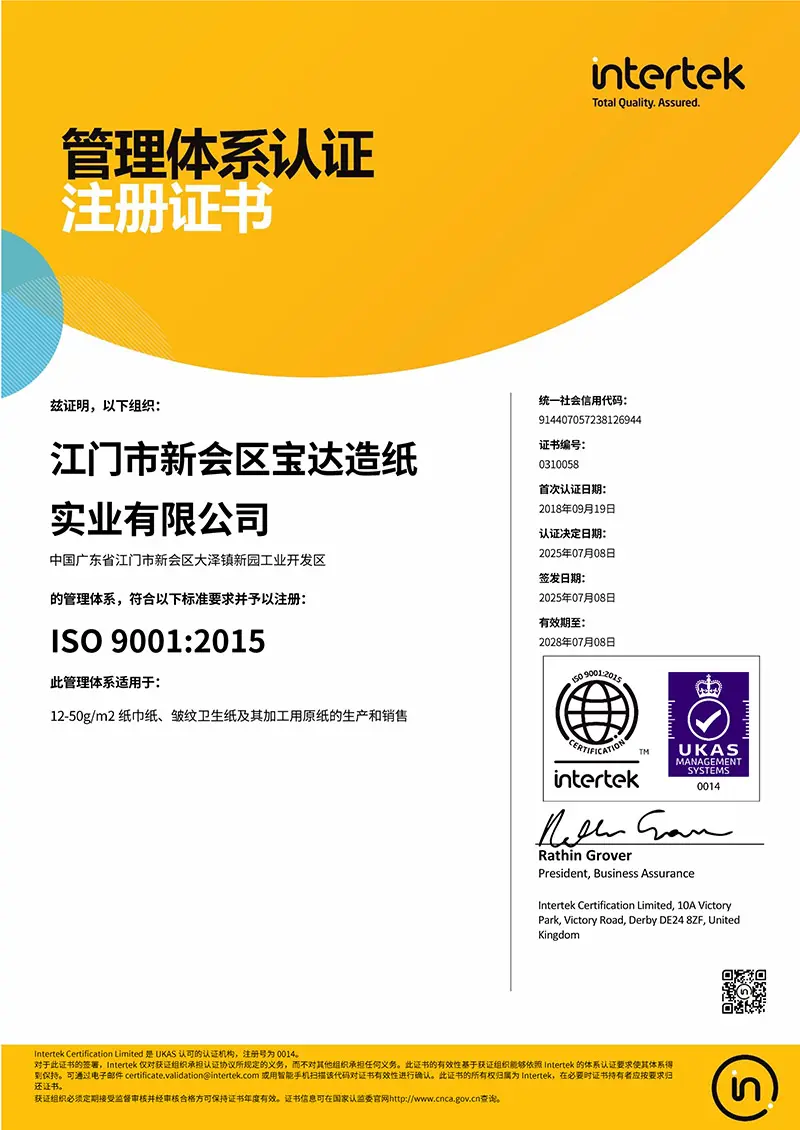
Navigating the complex regulatory requirements of international paper sourcing, environmental policies, and strategic cost reduction.
The manufacturing of premium commercial "No Tear" tissue requires significant capital investment and access to optimized supply ecosystems. By positioning our primary operations in Guangdong, China, Baoda exploits global logistical advantages. China's integrated pulp and paper sector benefits from deep-water ports, localized chemical formulation suppliers, and automated packaging equipment developers. This clustering effect allows us to purchase premium FSC-certified raw pulp at competitive rates and immediately integrate it into our continuous high-speed rewinding and packaging lines. With an annual production capacity exceeding 30,000 tons, we easily handle short-notice scaling demands that smaller regional converters cannot support.
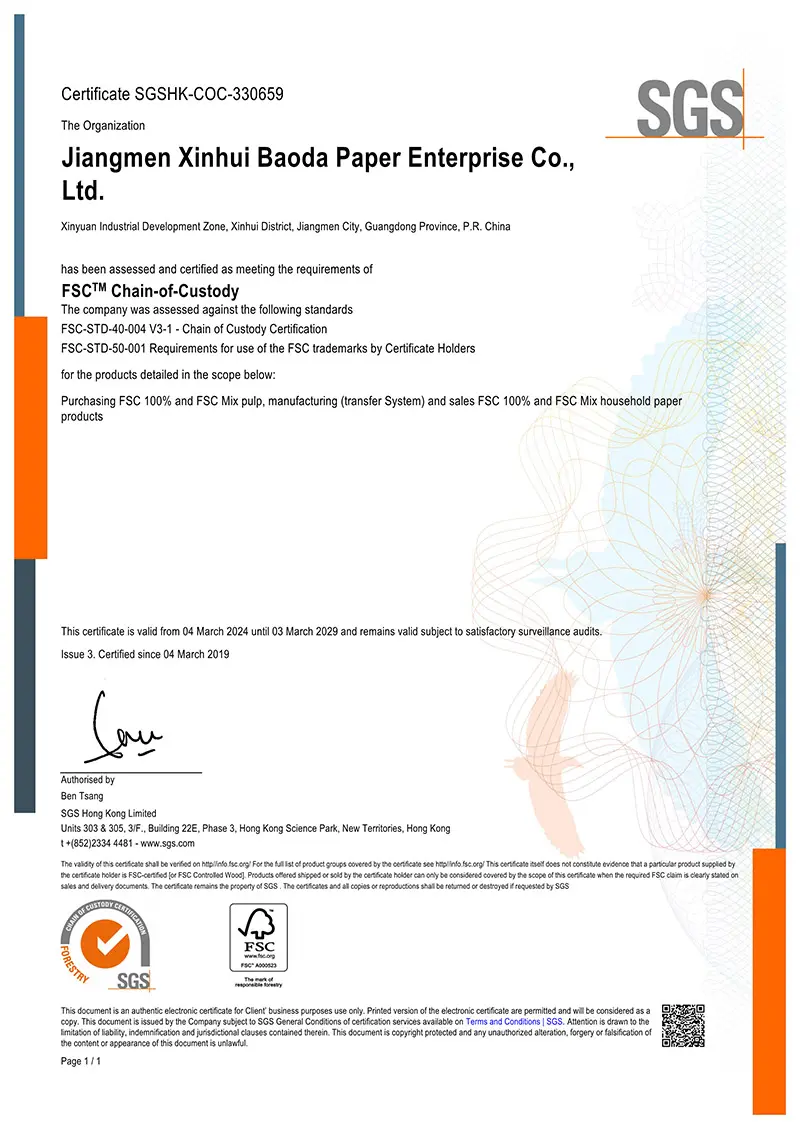
Enterprise procurement departments must guarantee that imported paper products comply with local environmental and chemical safety laws. In North America and Europe, products must meet strict FDA food-contact standards (as tissue papers can make contact with skin and mucous membranes), alongside compliance with the U.S. Lacey Act and EU Timber Regulation (EUTR) to ensure no illegal lumber is used. Baoda holds complete FSC chain-of-custody documentation, certifying that our fibers are harvested from sustainably managed forests. Furthermore, our production processes comply with ISO 9001:2015 Quality Management and ISO 14001:2015 Environmental Management standards, ensuring zero harmful residues or heavy metals exist within the final product.
When sourcing B2B "No Tear" toilet paper, enterprise buyers focus on technical parameters that directly impact operational bottom lines:
Different commercial spaces require specific adaptations of "No Tear" properties:
1. Premium Hospitality & Executive Suites: Focuses on combining high tear-resistance with high-ply embossing (often 3-ply or 4-ply). The goal is to provide a soft feel that will not tear or flake under moist conditions, protecting the facility's luxury brand image.
2. High-Traffic Transport Hubs & Arenas: Prioritizes large-diameter jumbo rolls. The tissue must withstand high pulling force from industrial lockable dispensers without breaking inside the housing, which would otherwise require constant maintenance checks.
3. Medical Facilities & Sterile Zones: Demands chemical-free hypoallergenic paper. These rolls must resist tearing during cleaning or disinfection tasks, while maintaining high absorbency to wipe skin prep formulas or water droplets.
Analyzing key market shifts toward eco-friendly materials, smart dispenser compatibility, and carbon-neutral production.
The global tissue market is undergoing a structural shift driven by regulatory pressure and changing consumer demands. The traditional reliance on virgin wood pulp is shifting towards alternative fiber sources, such as rapid-growth bamboo and agricultural agricultural by-products (like bagasse). However, these fibers possess different cell walls and shorter fiber structures, requiring custom enzymes and mechanical refining to achieve the same "No Tear" durability. Baoda is currently investing in hybrid pulp formulations that mix bamboo and virgin wood fibers to achieve high tensile values while reducing the overall carbon footprint.
Additionally, the growth of smart facilities management systems—which track dispenser levels in real-time—has placed new demands on tissue physical dimensions. Roll diameters, core concentricity, and outer surface friction must be highly uniform to prevent misfeeds and friction jams in motorized dispensers. Baoda's advanced quality control lines measure these tolerances down to the millimeter, ensuring seamless compatibility with leading smart-dispenser manufacturers globally.
Direct, technical answers regarding MOQ, chemical composition, customization capability, and supply logistics.
Complete your purchasing order with our heavy-duty kitchen rolls, multi-ply pull tissues, and eco-certified bathroom tissue lines.
 BAODA PAPER