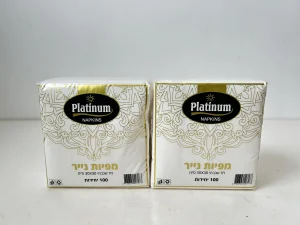
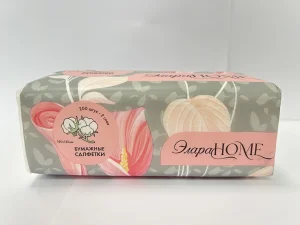
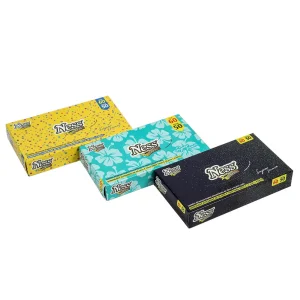
Explore our premium grade household, commercial, and professional hygiene tissue solutions customized to exact client specifications.
A global leader in tissue paper engineering, combining 27+ years of manufacturing experience with cutting-edge production technology.
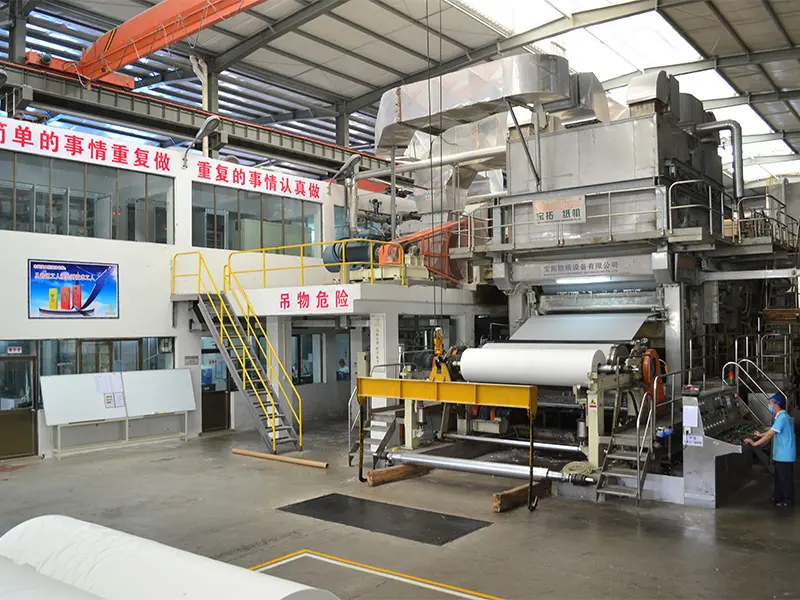
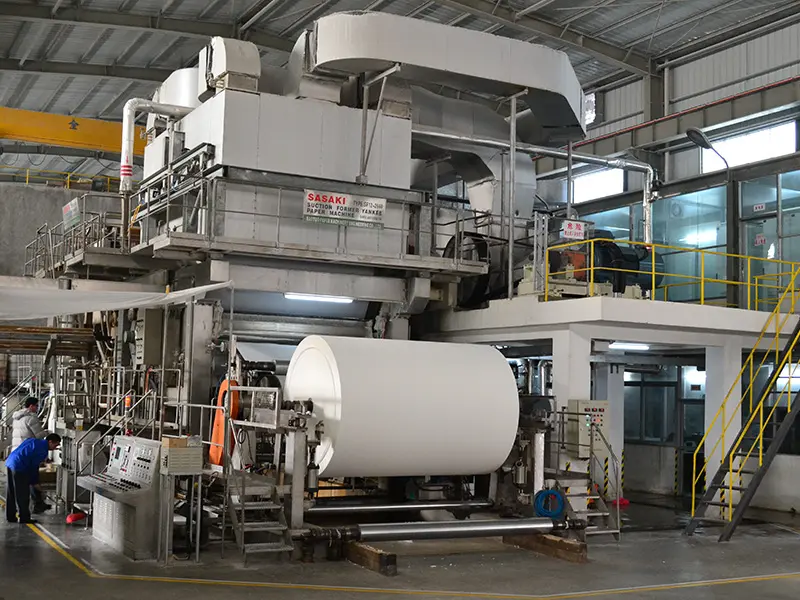
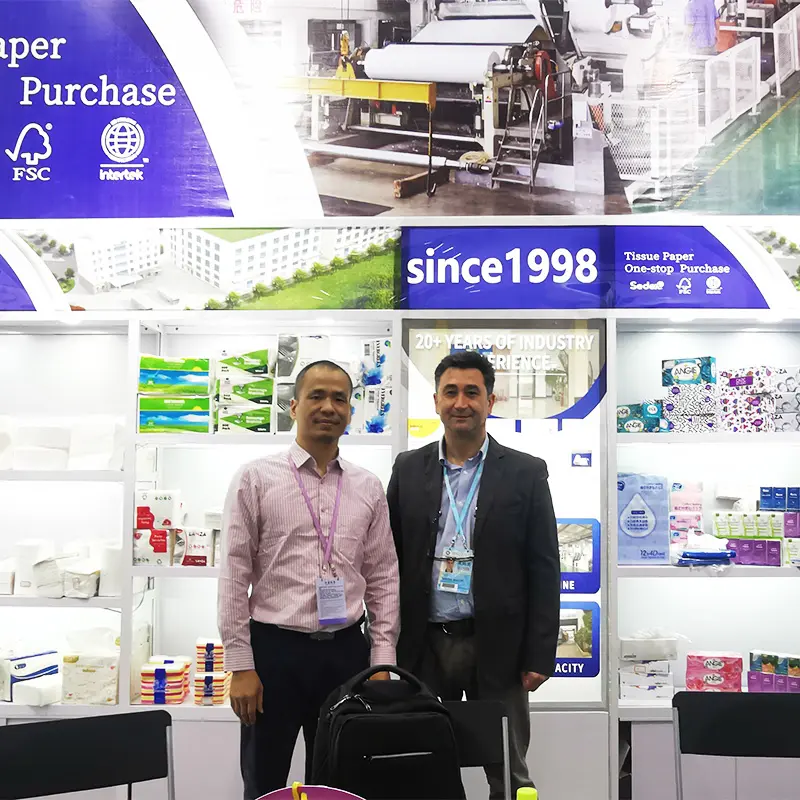
For over 27 remarkable years, since our inception in 1998, Baoda Paper Co., Ltd. has stood as an unwavering cornerstone of China's tissue paper industry, evolving from a domestic manufacturer into a globally recognized force. We have meticulously built our legacy on a formidable foundation of advanced manufacturing excellence and an unwavering commitment to quality. Our modern, sprawling complex, exceeding 20,000 square meters, is a testament to this commitment. Within its walls, we house state-of-the-art, imported high-speed paper machines and sophisticated automated processing lines. This powerful infrastructure is the engine behind our impressive annual production capacity of over 30,000 tons, enabling us to meet large-scale demands without compromising on the consistent quality that defines the Baoda name.
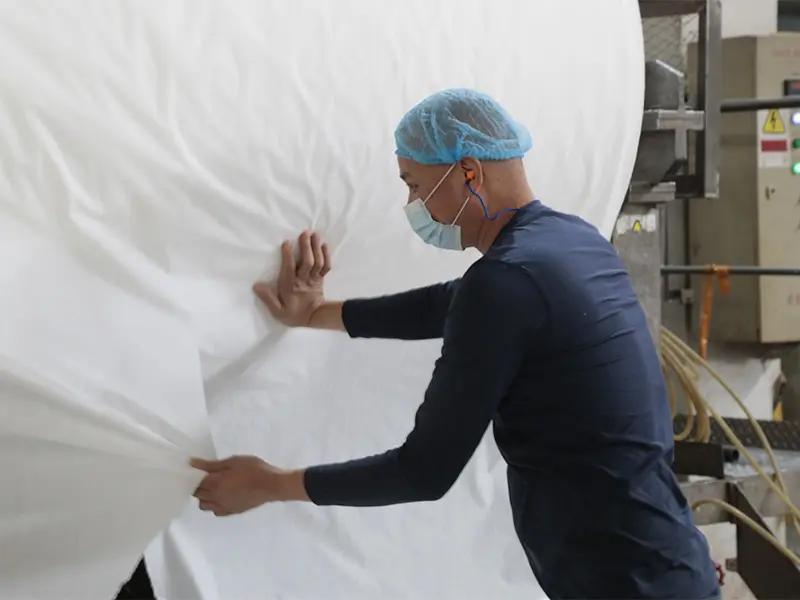
By leveraging certified forest materials, advanced multi-ply binding configurations, and deep-embossing textures, we satisfy B2B sourcing agents across critical metrics: tensile strength, liquid holding capacity, and skin-friendly softness. Our facilities are completely integrated from pulp processing to final package logistics, ensuring a zero-defect product line that meets the strict global standards required by modern retail giants and distribution networks.

How modern micro-embossing and multi-ply structuring are reshaping B2B performance benchmarks globally.
Historically, embossing was primarily a visual design cue. Today, modern engineering utilizes precise steel-to-rubber or steel-to-steel embossing rollers to increase the bulk and surface area of the paper. This mechanical modification creates tiny pockets that capture moisture and oils, substantially boosting the overall water absorption coefficient of kitchen towels and napkins by up to 50% compared to flat, unembossed layers.
Double Embossing with nested or tip-to-tip configurations allows manufacturers to bond two or more plies together using micro-dots of water-soluble food-safe adhesive. This processes (DESL - Double Embossing S-Point Lamination) creates a highly padded cushion that offers superior hand-feel, structural integrity, and resistance to shredding when wet. It's the standard for premium retail facial tissue and high-end restaurant napkins.
In the contemporary B2B hygiene landscape, the shift toward sustainable structured fibers is accelerating. Global brands and institutional distributors are demanding materials that not only conform to environmental credentials but also display physical superiority. Sourcing agents are actively transitioning away from traditional, chemical-heavy smoothing processes in favor of physical mechanical embossing. Physical embossing increases the apparent thickness (bulk) of low-GSM paper without adding extra fiber weight, representing a significant cost-optimization strategy for mass distribution.
SEO Insight / Information Gain: By increasing physical thickness through structured embossing rather than raw fiber volume, importers can reduce the shipping weight of bulk consignments by up to 12% while maintaining identical shelf volume and retail customer satisfaction.
Aligning manufacturing capabilities with critical international standards, audit requirements, and corporate buyer intent.
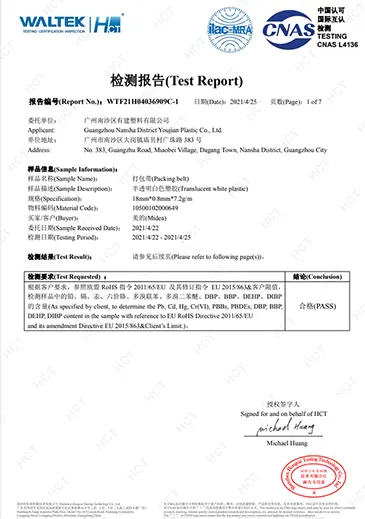
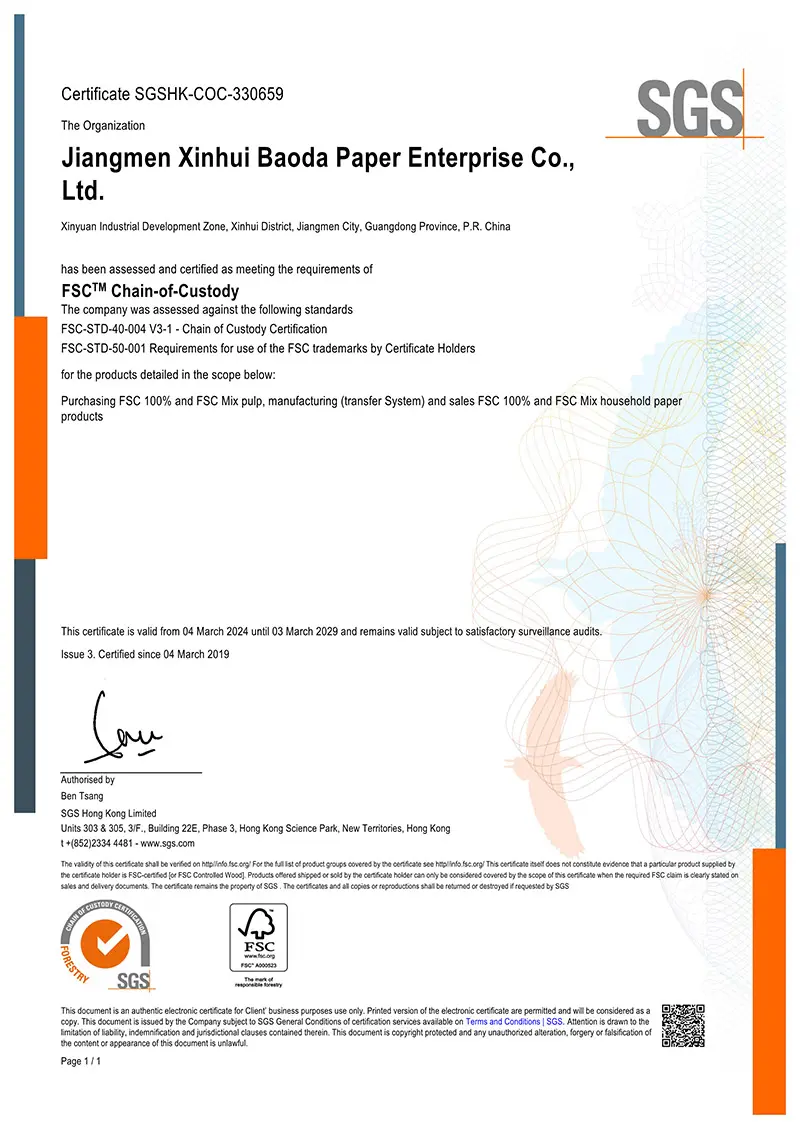
100% certified wood pulp chains are mandatory for Western markets. Procurement paths require strict compliance with Forest Stewardship Council rules to ensure zero deforestation.
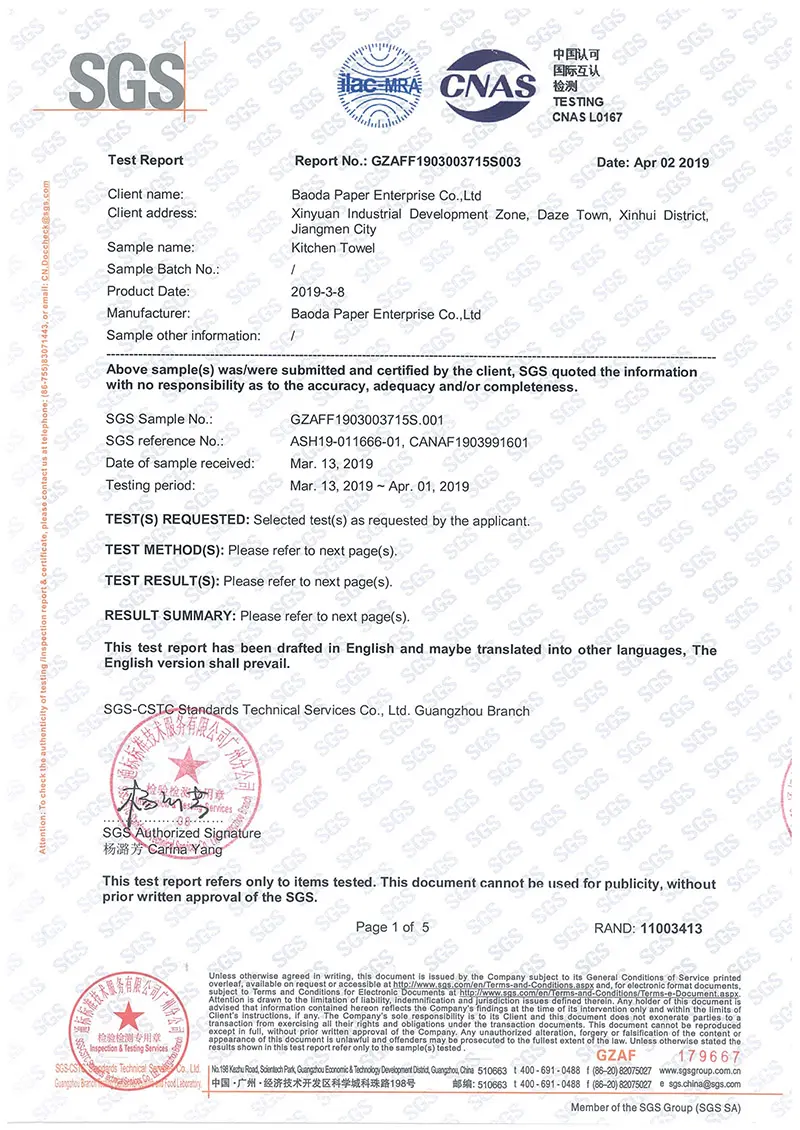
Hypoallergenic, dye-free, fragrance-free, and Totally Chlorine Free (TCF) bleaching methods. Products must pass rigorous skin-contact safety tests to prevent dermatological irritation.
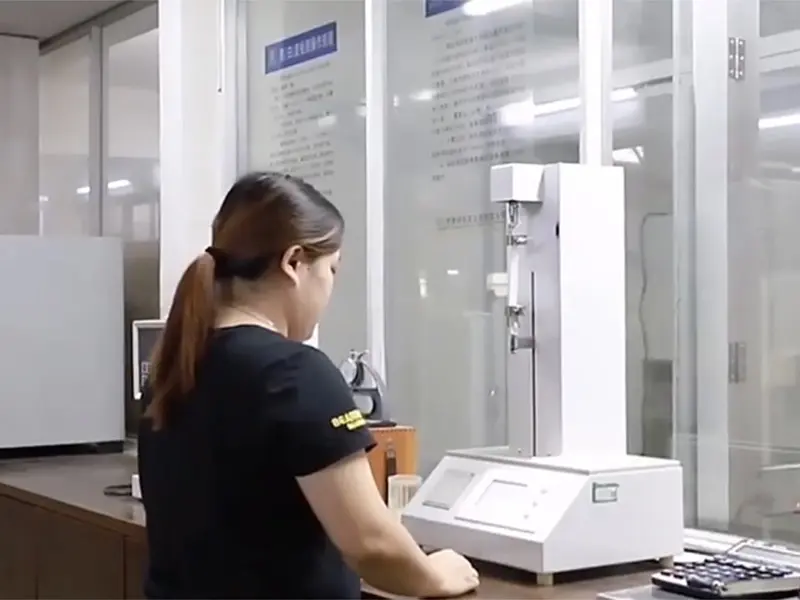
B2B importers test wet tensile strength to avoid rapid disintegration during use. Our tissues undergo structural testing to withstand rigorous commercial and industrial tasks.
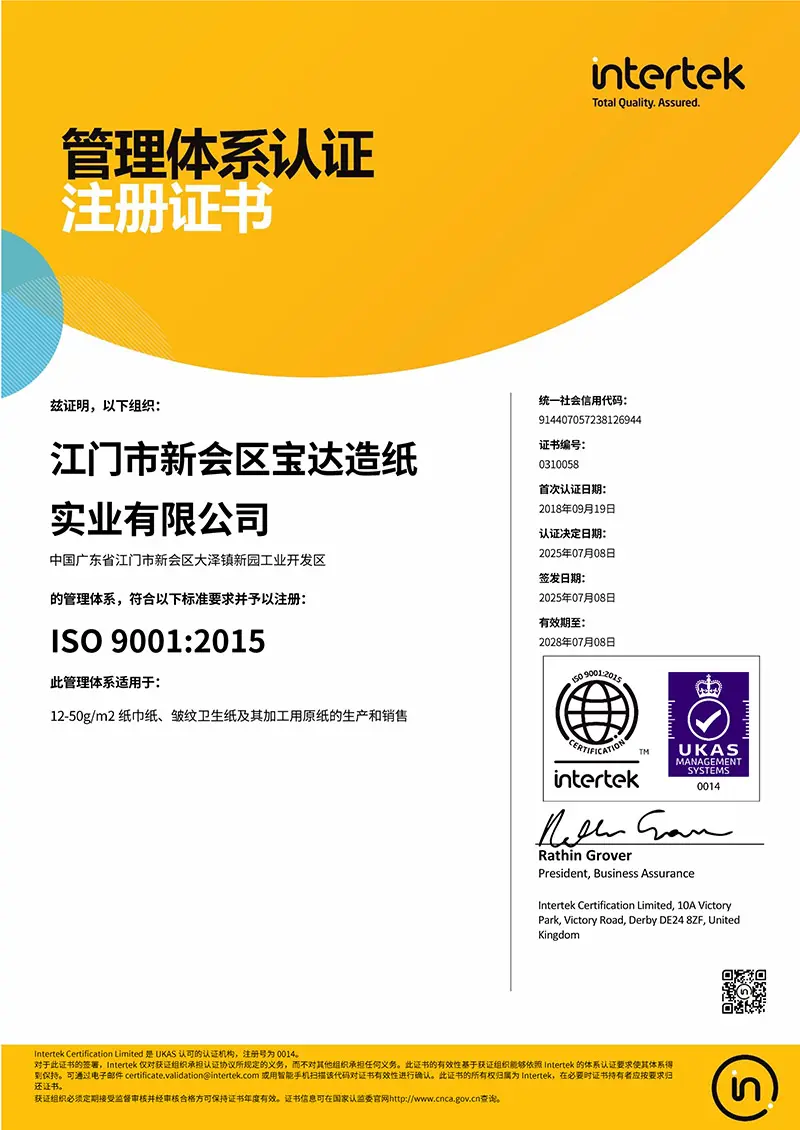
Enterprise buyers from North America, the EU, and Australia face strict retail gatekeeping rules. For instance, supplying private-label toilet rolls or napkins to discount chains like Walmart or premium specialty stores like Watsons requires complete compliance audits (BSCI, ISO 9001, and Sedex). These networks must ensure that the manufacturer offers consistent logistics and reliable production volume. A single supply chain failure can trigger severe contractual penalties. This is why established manufacturers with comprehensive global shipping networks are prioritized over low-cost, uncertified mills.
How integrated automation and automated quality control loops guarantee stable supply chains for high-volume orders.
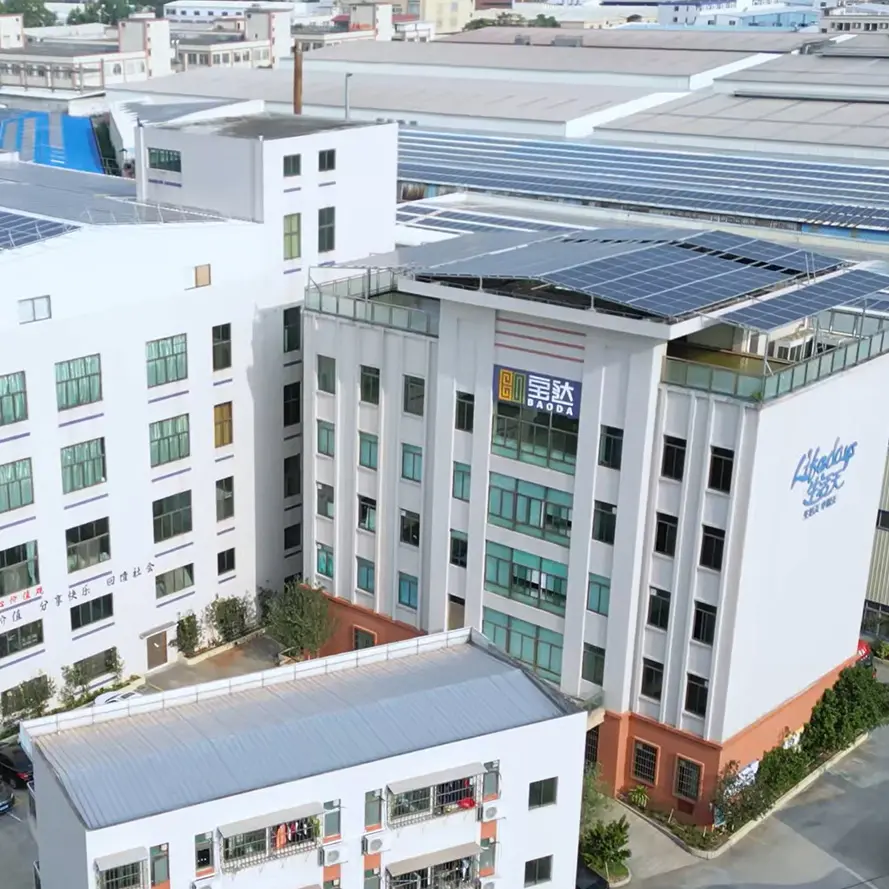
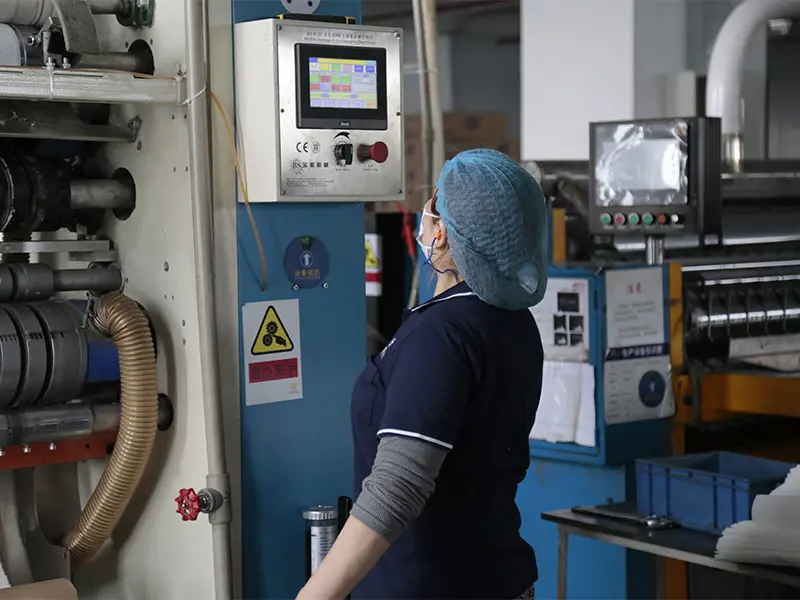
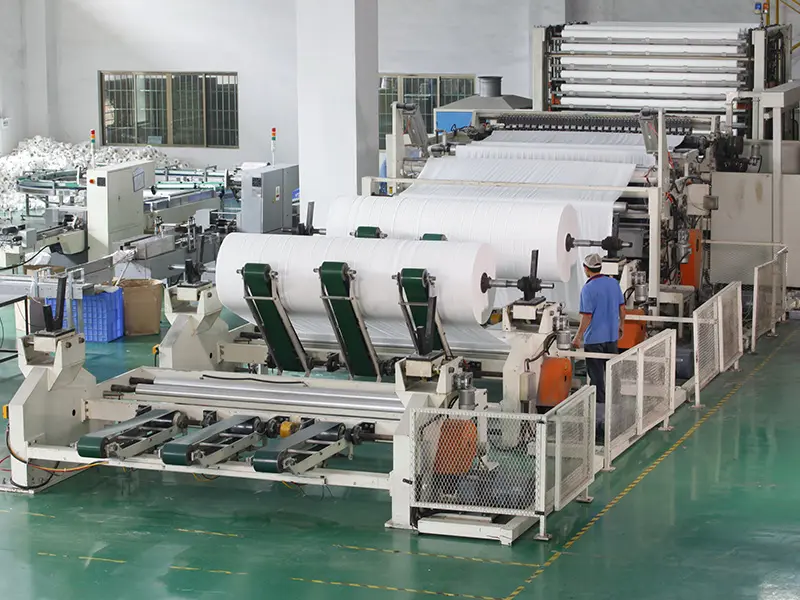
By implementing a Factory 4.0 methodology, Baoda Paper integrates digital automation from the raw pulp stage to automated packaging and container loading. Our automated rewinding and slicing machines are equipped with optical sensors that continuously scan the paper web for irregularities, micro-perfections, or tensile weakness. This real-time feedback loop allows our technicians to adjust roll tension instantly, preventing variations in product density.
Furthermore, China’s industrial ecosystem provides unparalleled supply chain resilience. With key raw materials, packaging factories, and deep-water container ports in close proximity, we reduce typical manufacturing lead times by 20% to 30%. This proximity minimizes external supply shocks, ensuring our clients receive their shipments on schedule, regardless of international logistics fluctuations.
Providing custom product designs, packaging, and branding that align with your unique market positioning.
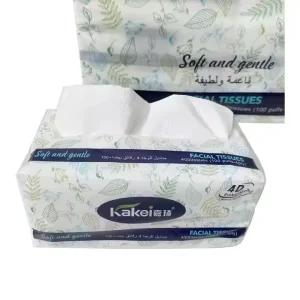
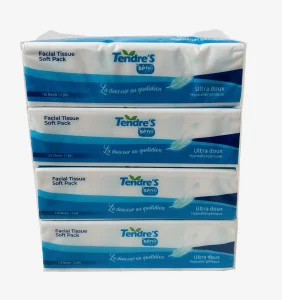
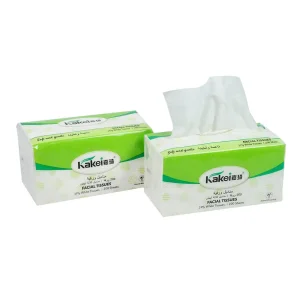
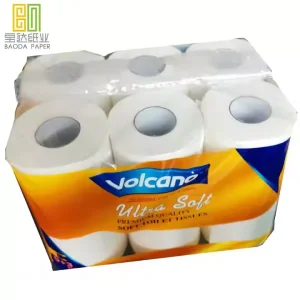
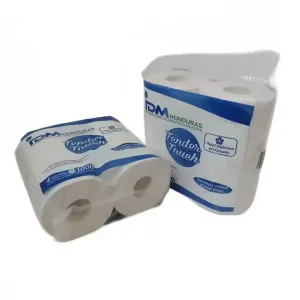
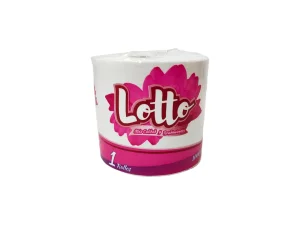
Our comprehensive and curated product portfolio is designed to provide complete one-stop solutions for diverse market needs. We offer an extensive range of products, from essential household items like premium toilet rolls, versatile kitchen towels, and soft facial tissues to convenient and hygienic pocket tissue packs for on-the-go use. Understanding the diverse paths to market success, our business model is both robust and flexible. While we proudly market three successful self-owned brands, we are also a premier partner for clients seeking to build their own product lines. We specialize in tailored ODM (Original Design Manufacturing), OEM (Original Equipment Manufacturing), and OBM (Original Brand Manufacturing) services, working collaboratively to bring our clients' unique visions and brand identities to life with precision and expertise.
Bespoke physical properties custom-engineered to meet specific commercial environments.
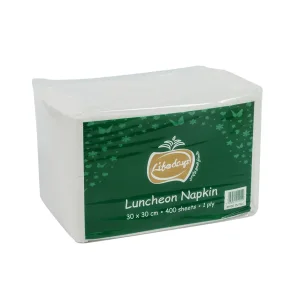
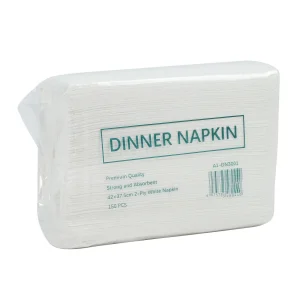
Our 2-ply and 3-ply embossed napkins offer elegant border relief patterns and deep center absorption zones. They are designed to stand upright in table arrangements and maintain structural integrity during use.
N-fold and V-fold designs are engineered for single-sheet dispensing, preventing tearing when pulled from standard dispensers. This control reduces corporate waste and manages facility maintenance overheads.
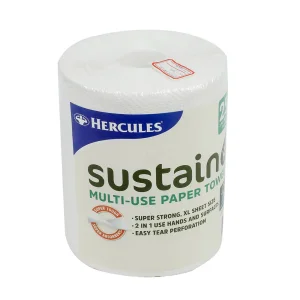
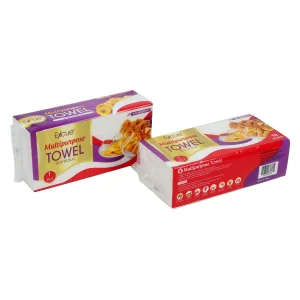
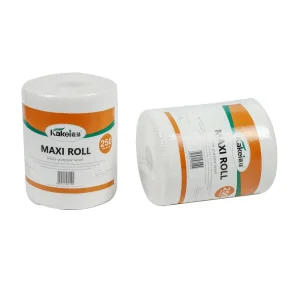
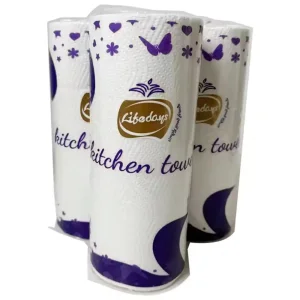
We supply supermarkets with customized 1-ply and 2-ply kitchen towel rolls featuring distinct embossed patterns. Our production process accommodates custom-printed outer wrap designs tailored for modern shelf displays.
Our commitment to social responsibility, quality control, and robust distribution networks in over 60 countries.
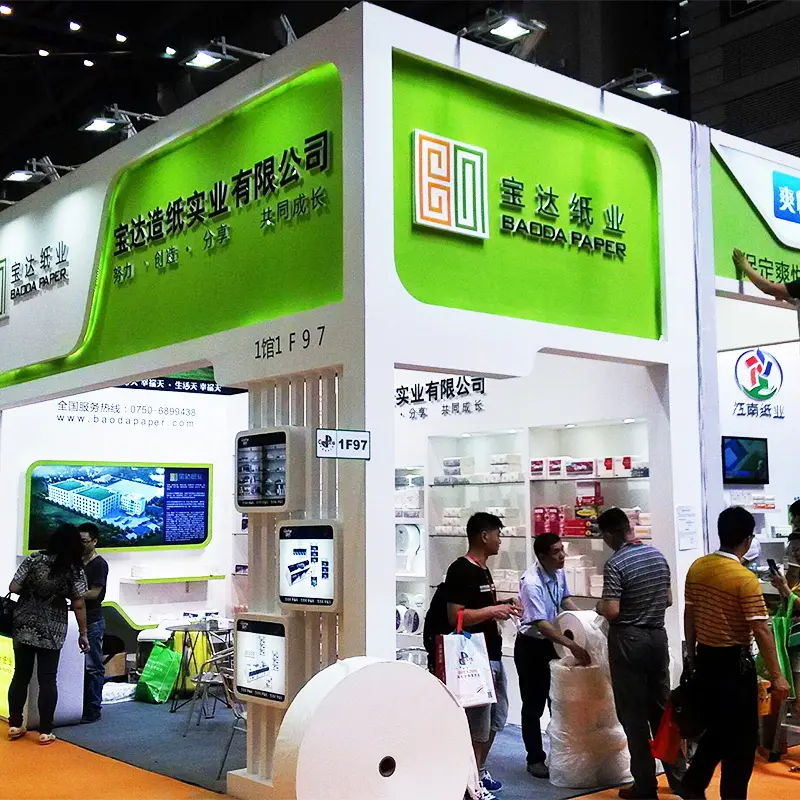
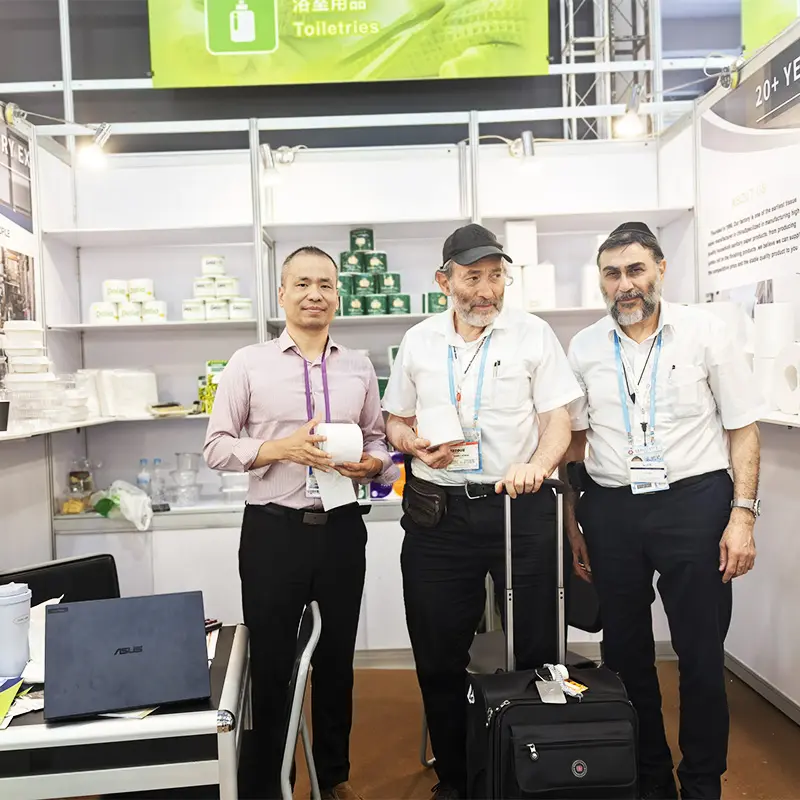
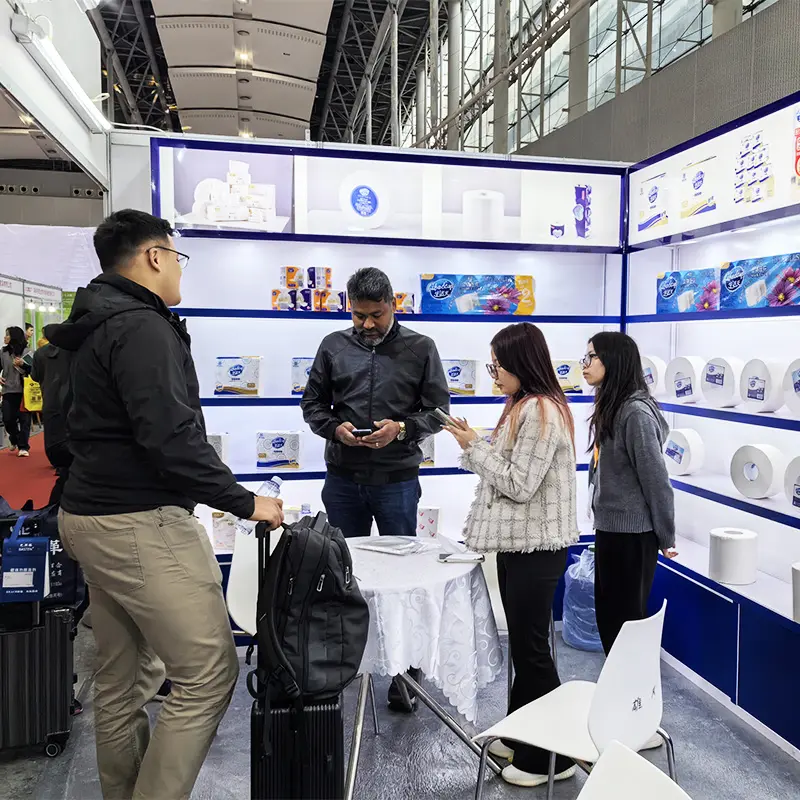
This dedication has earned us the trust of a vast network of over 10,000 global leaders in retail and distribution, including renowned giants such as Walmart and Watsons.
Our high-quality products and reliable service have enabled us to build a robust international distribution network spanning more than 60 countries across the Americas, Europe, Asia, and Australia, with significant presence in key markets like the United States and Australia.
Through decades of innovation and consistent delivery, Baoda Paper has become more than just a manufacturer; we are a symbol of quality, reliability, and partnership in the dynamic global tissue market.
Detailed explanations regarding chemical formulations, manufacturing processes, and B2B ordering logistics.
Virgin wood pulp contains long, unbroken plant fibers that provide high natural tensile strength and a soft touch. It requires minimal chemical sizing and is naturally hygienic. Recycled pulp, on the other hand, consists of shorter fibers that must be chemically processed to maintain structural integrity. This makes recycled pulp better suited for standard industrial-grade products rather than premium facial tissue.
The choice of embossing pattern significantly affects both absorbency and hand-feel. A high-density micro-embossed pattern increases total surface area, optimizing the absorption rate of kitchen paper. In contrast, macro-embossed patterns or decorative border styles preserve paper softness, making them ideal for high-ply facial tissue and decorative napkins.
We use automated mechanical folding systems that crease each sheet precisely to consistent tolerances. By maintaining flat edges and clean separation, we prevent sheets from catching inside standard commercial dispensers, reducing waste and avoiding common maintenance jams.
We offer comprehensive customization across all physical specifications, including ply counts (1-ply up to 4-ply), basis weight (GSM), embossing patterns, and roll sheet counts. Additionally, we provide private-label packaging options, including printed polybags and retail cartons, to help brands establish a distinct presence in their target markets.
Sustainability is key to our manufacturing process. We source raw materials from responsibly managed forests, recycle and filter our process water to minimize waste, and offer coreless roll configurations to reduce excess packaging material.
Typical production lead times range from 20 to 30 days after design confirmation and deposit receipt. Shipping times vary by destination port, with direct routes to North America and Australia averaging 15 to 25 days.
Explore the remainder of our specialized product line, designed to meet the demands of global distribution networks.
 BAODA PAPER