Explore our core product lineup manufactured under strict quality standards for global distribution.
Why large-scale commercial networks, municipal reserves, and international relief agencies require reliable OEM tissue solutions.
In an increasingly volatile global landscape characterized by climate disruptions, geopolitical conflicts, and public health uncertainties, the reliability of sanitation supply chains has transitioned from a backend operational focus to a boardroom priority. The term "Emergency Toilet Paper" represents much more than consumer bulk buying; it symbolizes a systemic requirement for disaster relief management, governmental stock reserves, and business continuity. When supply chains fracture, the absence of basic sanitary tissue triggers instant public distress and cascading hygiene problems.
For B2B procurement officers, sourcing custom, highly-engineered bulk emergency toilet paper demands a manufacturer with substantial capacity, rigorous standards, and long-term viability. A failure in tissue supply during emergency setups—whether in field hospitals, natural disaster shelters, or critical municipal distribution nodes—creates immediate operational risk. Thus, modern procurement strategies focus on partnering with certified factories capable of delivering high-volume ODM/OEM production runs that meet both mechanical and environmental performance metrics.
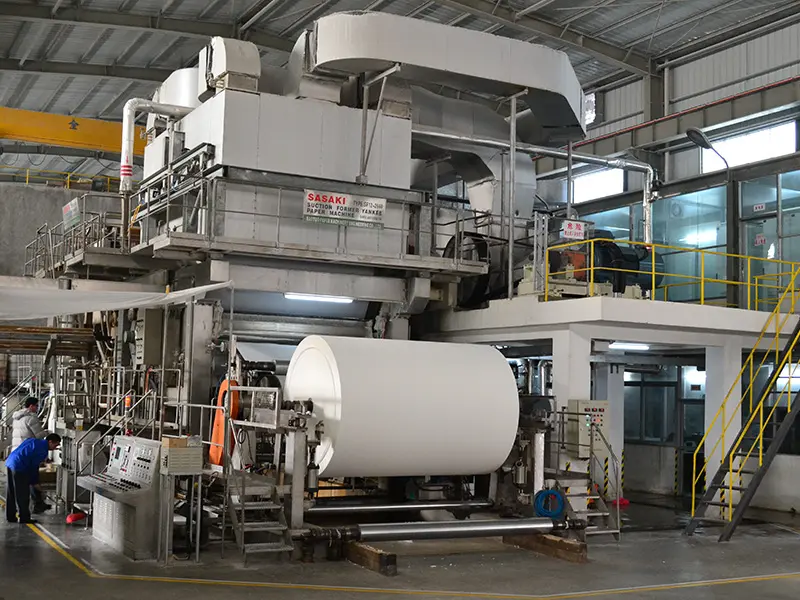
Meeting abrupt surges in regional demand is only possible when a manufacturer has automated high-capacity manufacturing structures. The ability to pivot production and deliver hundreds of tons of high-grade tissue quickly is the defining factor in emergency relief operations.
Emergency tissues are often subject to challenging storage conditions (humidity, temperature shifts) and demanding disposal systems (temporary septic setups). Tissues must possess optimal wet tensile strength while remaining rapidly biodegradable.
Engineered packaging ensures that products stored in bulk municipal warehouses for years remain dry, free of mold, and completely sterile. Specialized compression, wrapping, and outer carton specifications prevent moisture degradation.
For over 27 remarkable years, since our inception in 1998, Baoda Paper Co., Ltd. has stood as an unwavering cornerstone of China's tissue paper industry, evolving from a domestic manufacturer into a globally recognized force. We have meticulously built our legacy on a formidable foundation of advanced manufacturing excellence and an unwavering commitment to quality.
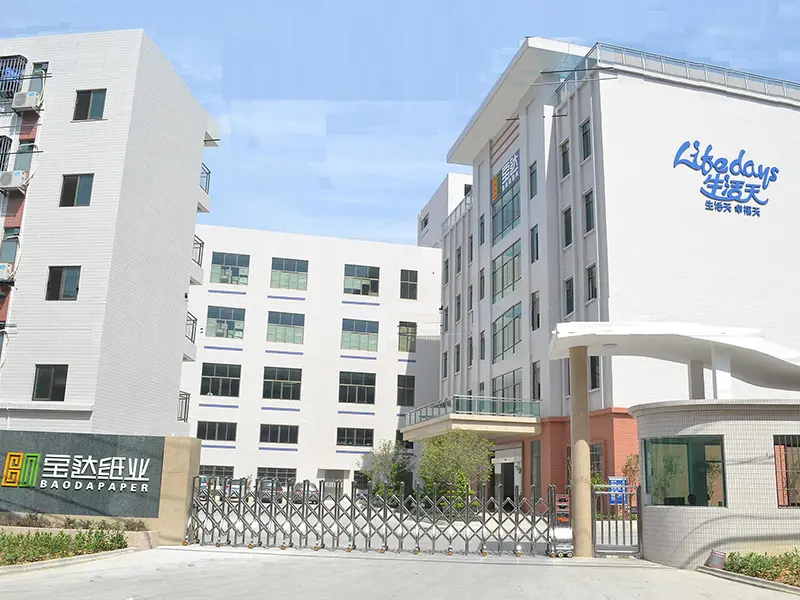
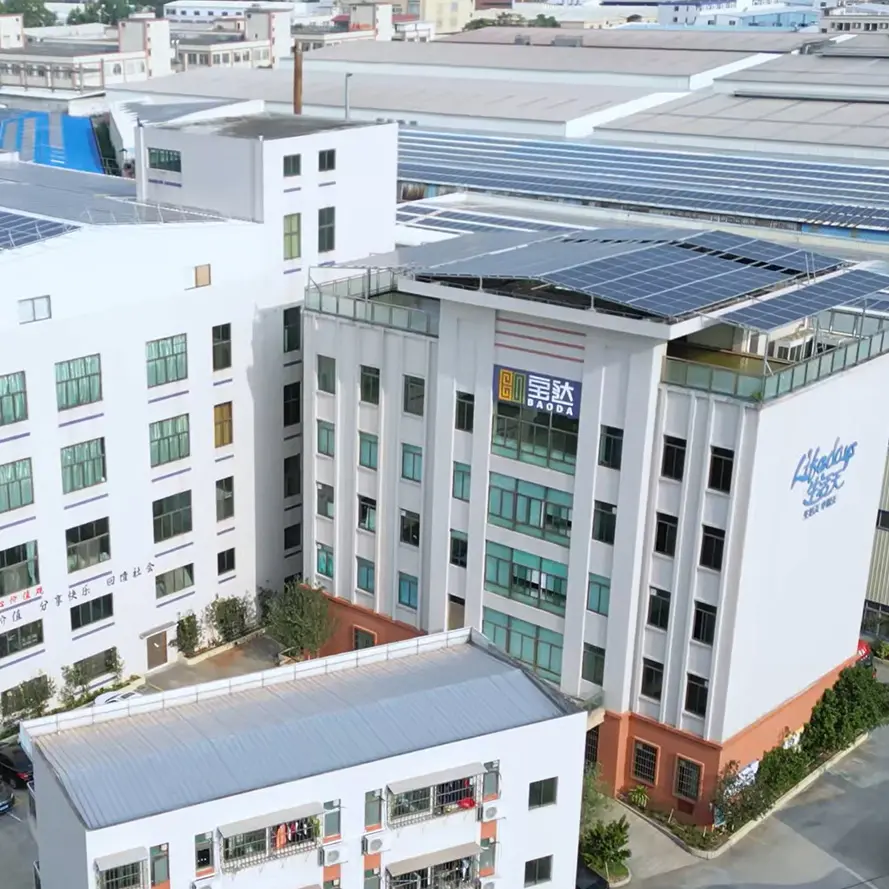
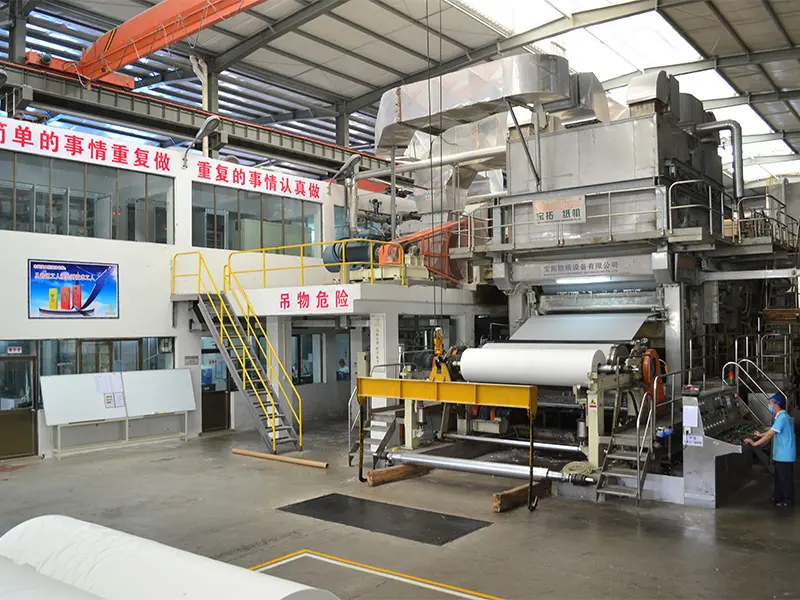
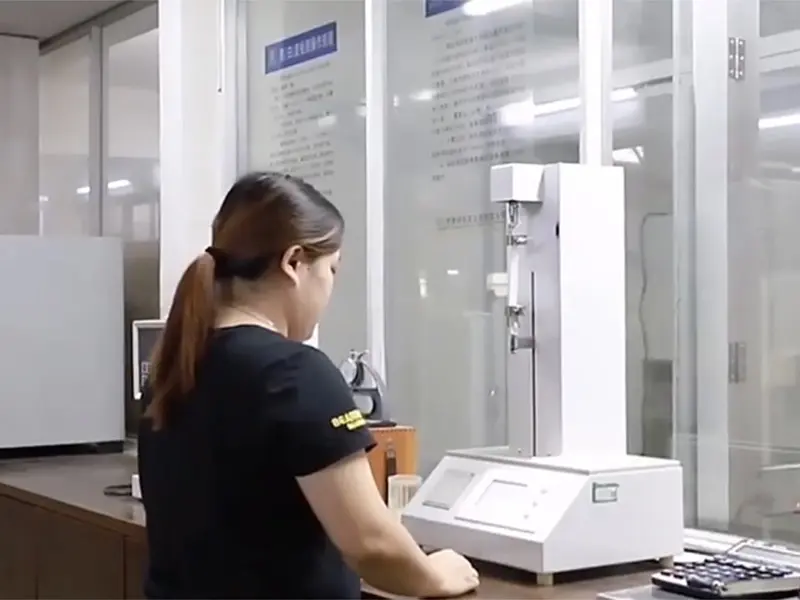
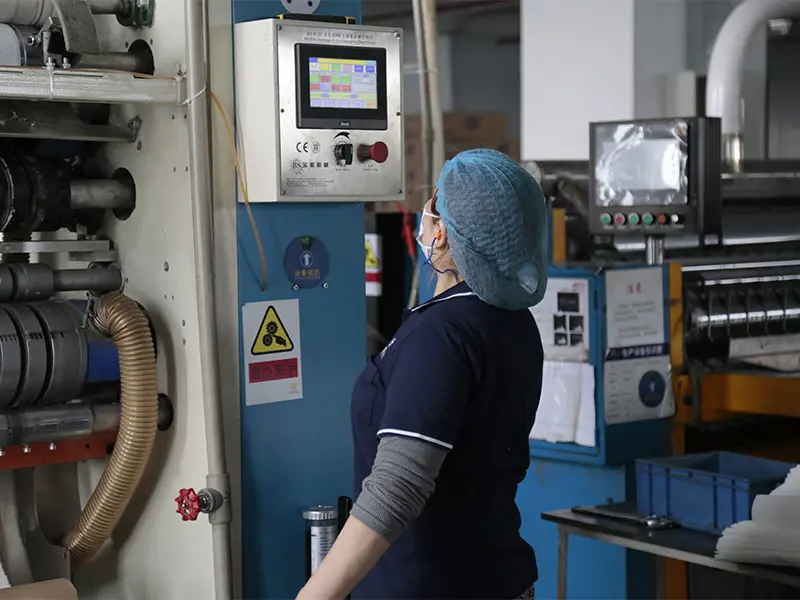
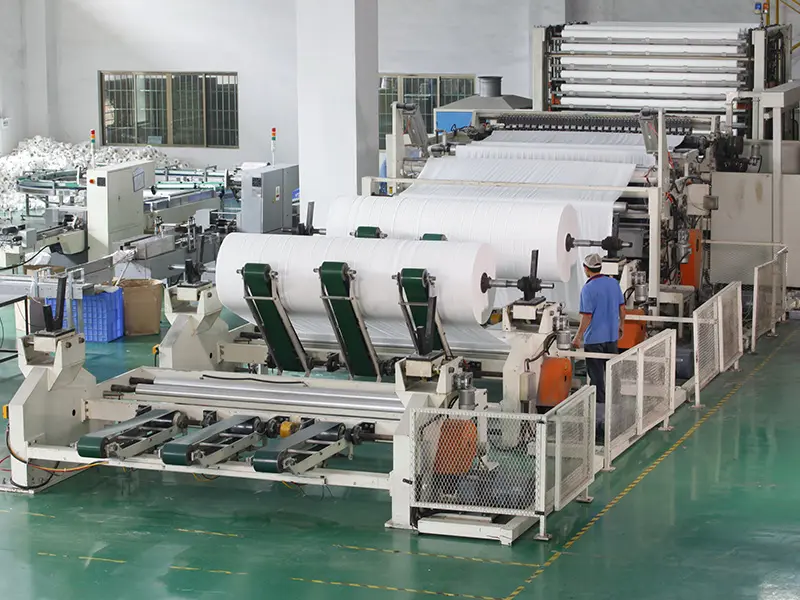
Our modern, sprawling complex, exceeding 20,000 square meters, is a testament to this commitment. Within its walls, we house state-of-the-art, imported high-speed paper machines and sophisticated automated processing lines. This powerful infrastructure is the engine behind our impressive annual production capacity of over 30,000 tons, enabling us to meet large-scale demands without compromising on the consistent quality that defines the Baoda name.
A detailed breakdown of key criteria that procurement professionals evaluate when auditing tissue factories.
Enterprise procurement professionals and government organizations cannot treat emergency sanitary tissue as a commoditized retail purchase. The mechanical, physical, and chemical qualities of the paper dictate its suitability for tough environments. Sourcing teams look at the following metrics during factory inspections:
During crises, temporary infrastructure (portable toilets, chemical latrines) is common. Toilet paper must break down rapidly upon water contact to prevent blockage. High-quality 2-ply and 3-ply virgin wood pulp tissue achieves a balance between immediate wet strength and rapid breakdown under agitation.
To ensure comfortable use, tissue rolls must resist tearing during dispensing. Through advanced embossing technologies and high-grade fibers, Baoda engineered paper guarantees optimal tensile durability. This balance is critical to prevent product waste in critical situations.
Logistics and transport costs are major considerations in humanitarian operations. Compressed coreless rolls and ultra-compact packaging formats allow procurement managers to maximize container loads, significantly reducing per-unit shipping and storage costs.
Moreover, chemical safety is paramount. Emergency tissue must be completely free of chlorine bleaching agents (ECF/TCF processes preferred), unscented, and hypoallergenic. This ensures that the products are safe for children and individuals with sensitive skin in emergency shelters, minimizing medical issues in high-density environments.
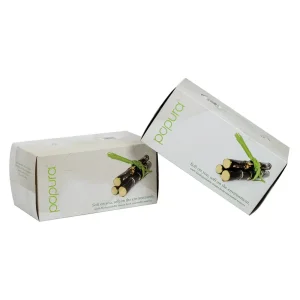
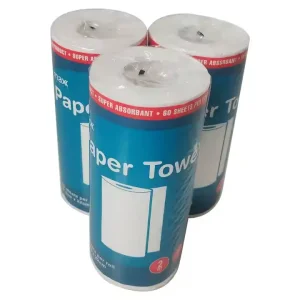
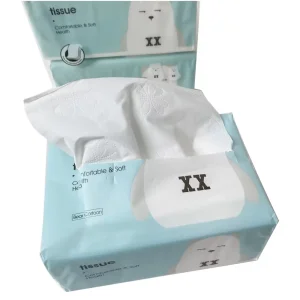
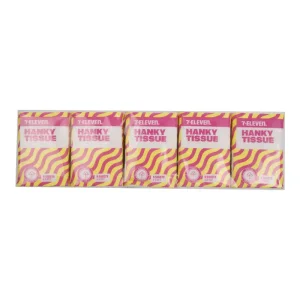
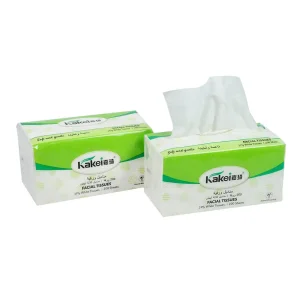
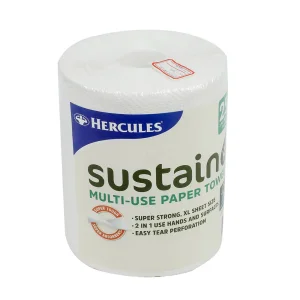
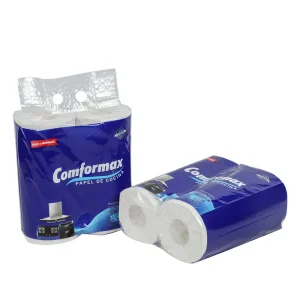
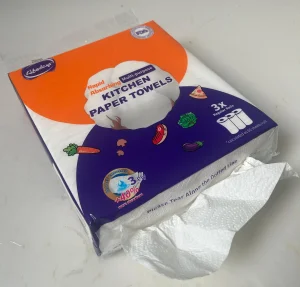
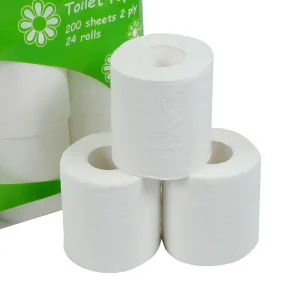
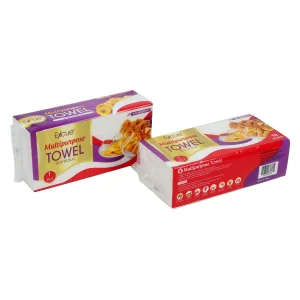
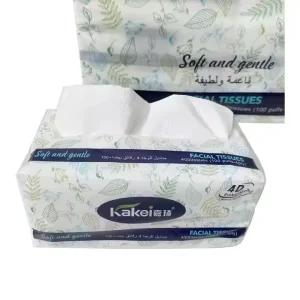
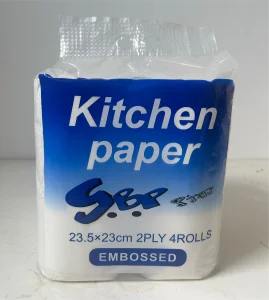
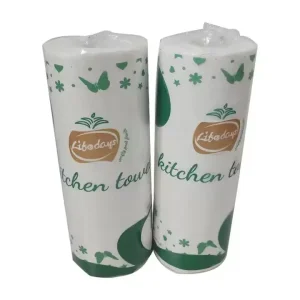
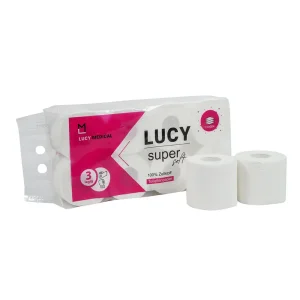
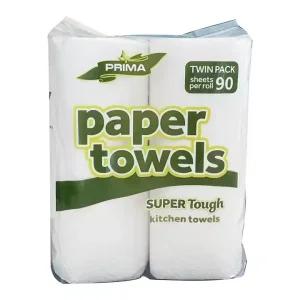
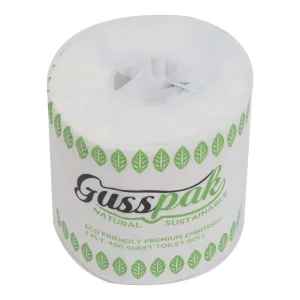
Our comprehensive and curated product portfolio is designed to provide complete one-stop solutions for diverse market needs. We offer an extensive range of products, from essential household items like premium toilet rolls, versatile kitchen towels, and soft facial tissues to convenient and hygienic pocket tissue packs for on-the-go use.
Understanding the diverse paths to market success, our business model is both robust and flexible. While we proudly market three successful self-owned brands, we are also a premier partner for clients seeking to build their own product lines. We specialize in tailored ODM (Original Design Manufacturing), OEM (Original Equipment Manufacturing), and OBM (Original Brand Manufacturing) services, working collaboratively to bring our clients' unique visions and brand identities to life with precision and expertise.
Analyzing shifting dynamics in procurement frameworks and global distribution standards.
The global emergency tissue landscape has shifted from a reactive purchasing model to a proactive, structured risk mitigation framework. Historically, emergency supply purchasing occurred primarily after natural disasters or during major pandemics. Today, global supply chains show that governments, international organizations, and multinational corporations maintain large, long-term reserves of emergency sanitation items as part of business continuity planning.
Key drivers of this structural change include:
Products must carry environmental certifications (like FSC). Organizations demand that disaster relief operations leave minimal footprint, requiring plastic-free packaging and natural pulp materials.
Governments are shifting to rolling inventories—regularly rotating stock through commercial markets to keep disaster supply reserves fresh and prevent degradation.
Moisture-barrier wrapping and durable outer cartons prevent product degradation, ensuring tissue remains clean and ready for deployment, even after years in deep storage.
Why the world's leading brands trust Baoda Paper for volume OEM/ODM production.
Our commitment to social responsibility and product excellence has earned us the trust of a vast network of over 10,000 global leaders in retail and distribution, including renowned giants such as Walmart and Watsons.
Our high-quality products and reliable service have enabled us to build a robust international distribution network spanning more than 60 countries across the Americas, Europe, Asia, and Australia, with significant presence in key markets like the United States and Australia.
Through decades of innovation and consistent delivery, Baoda Paper has become more than just a manufacturer; we are a symbol of quality, reliability, and partnership in the dynamic global tissue market.
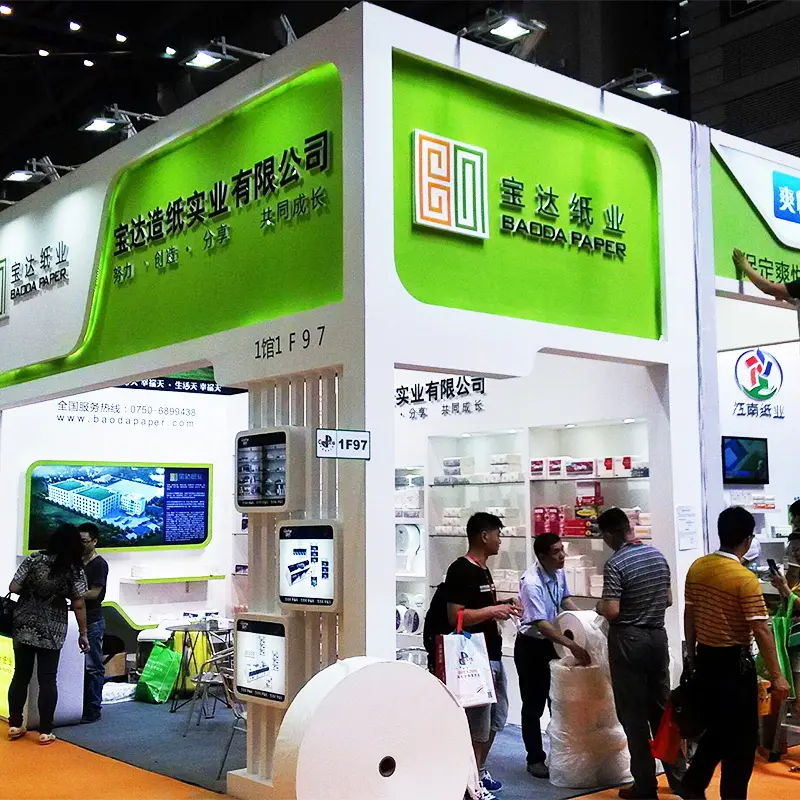
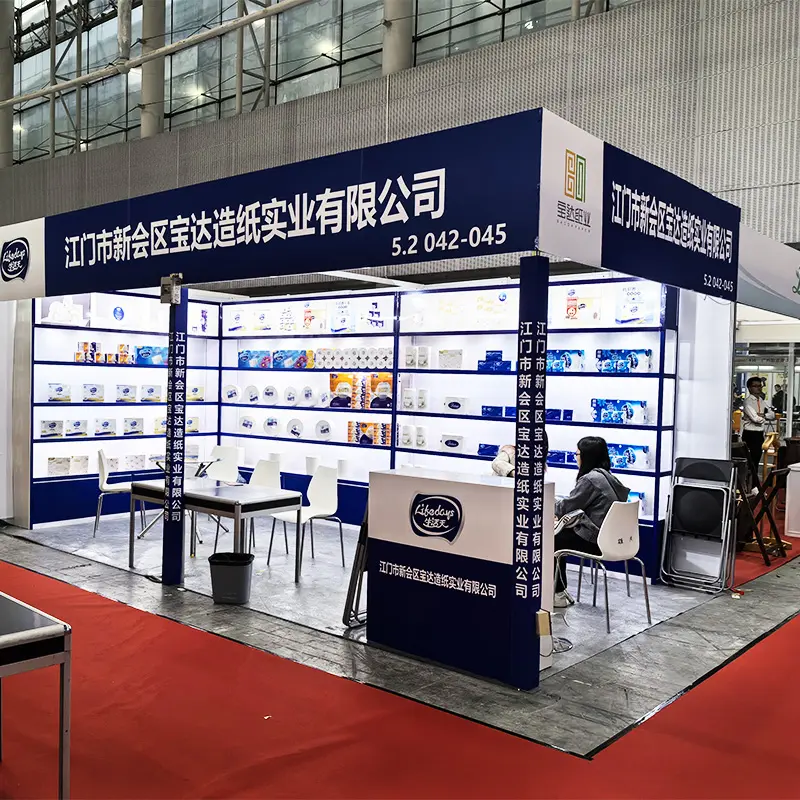
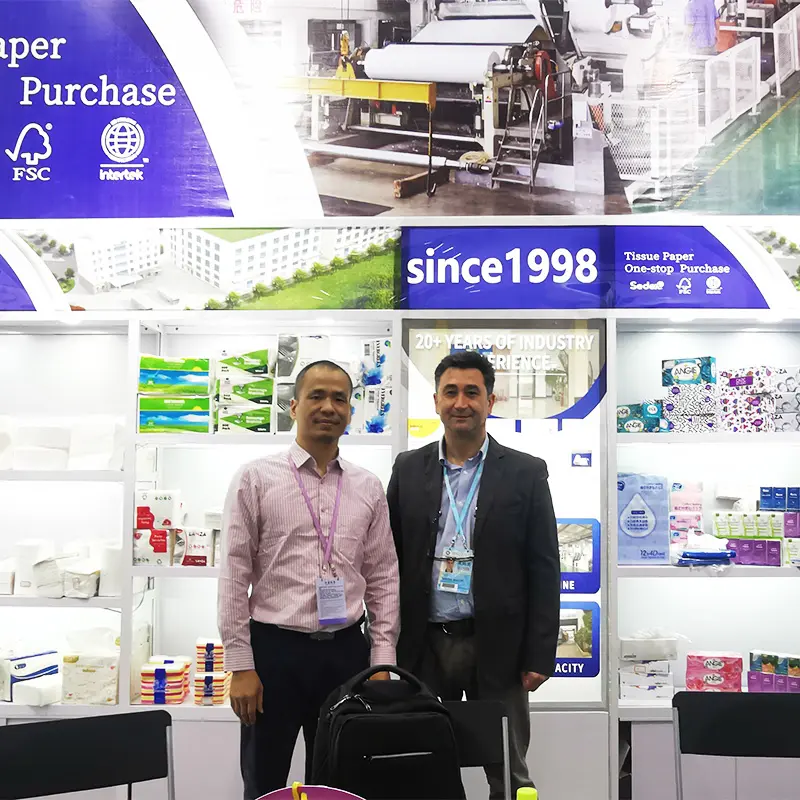
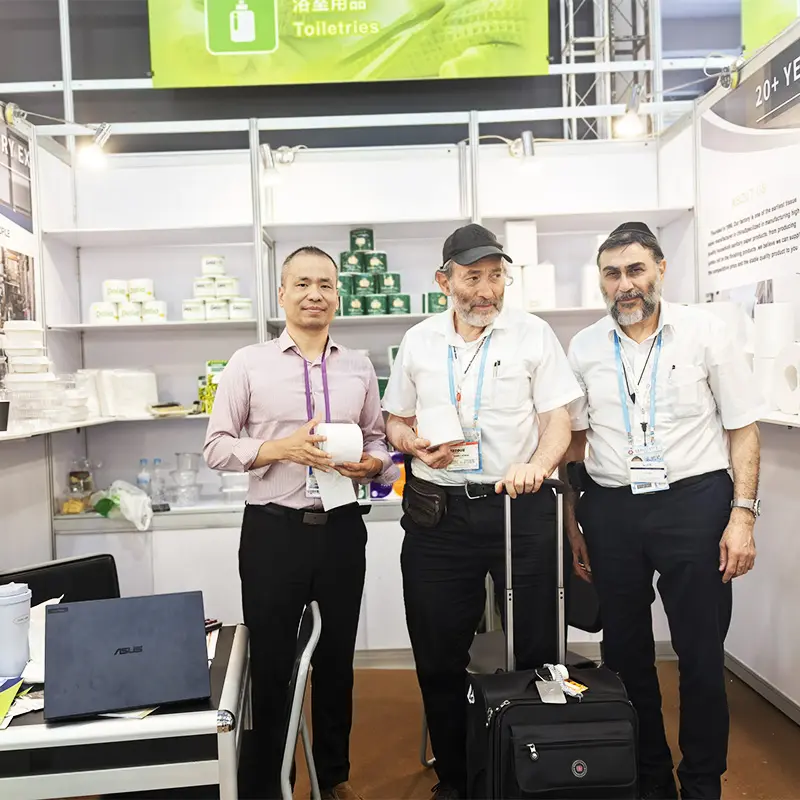
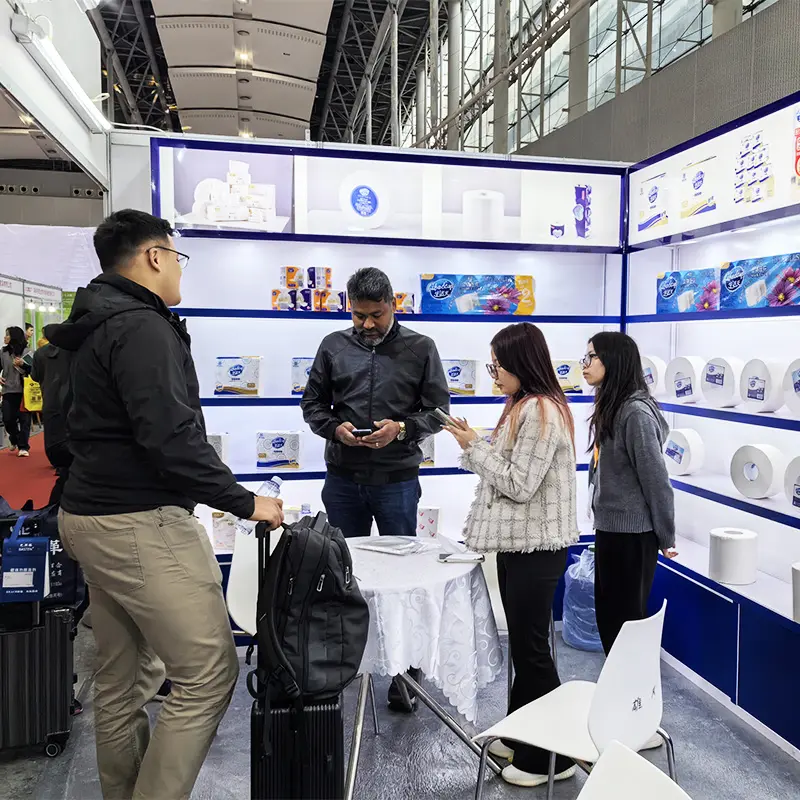
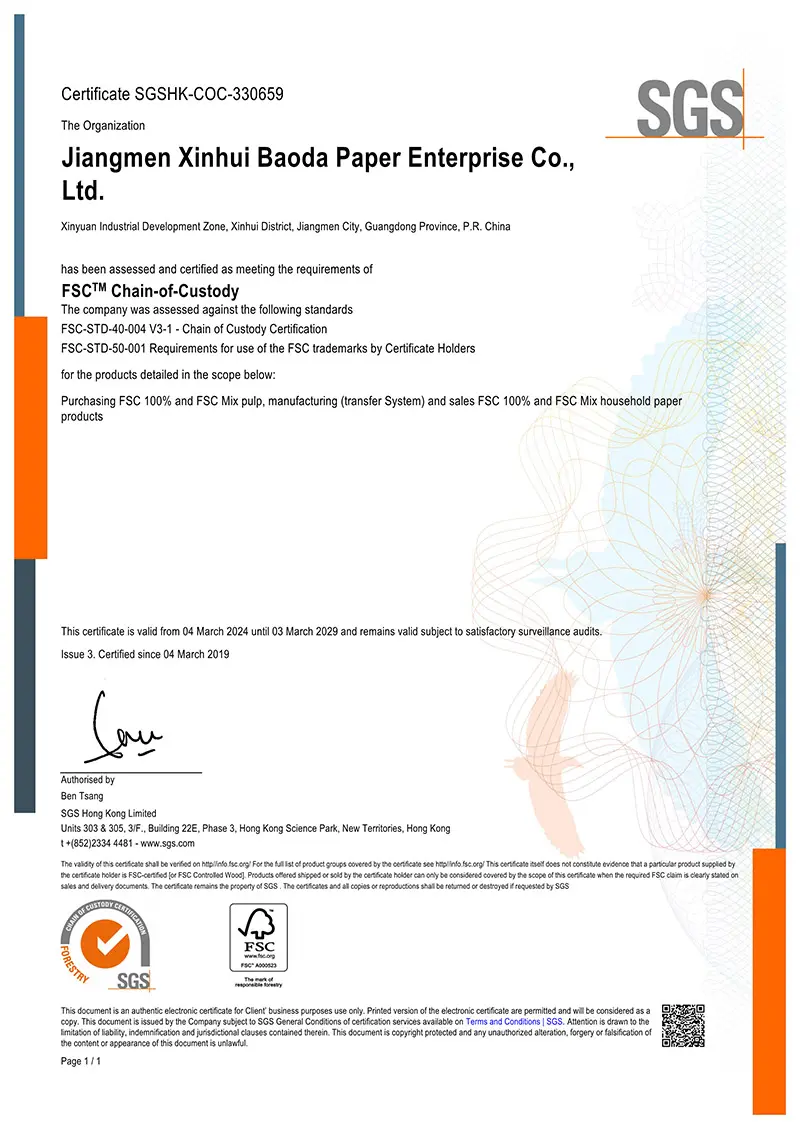
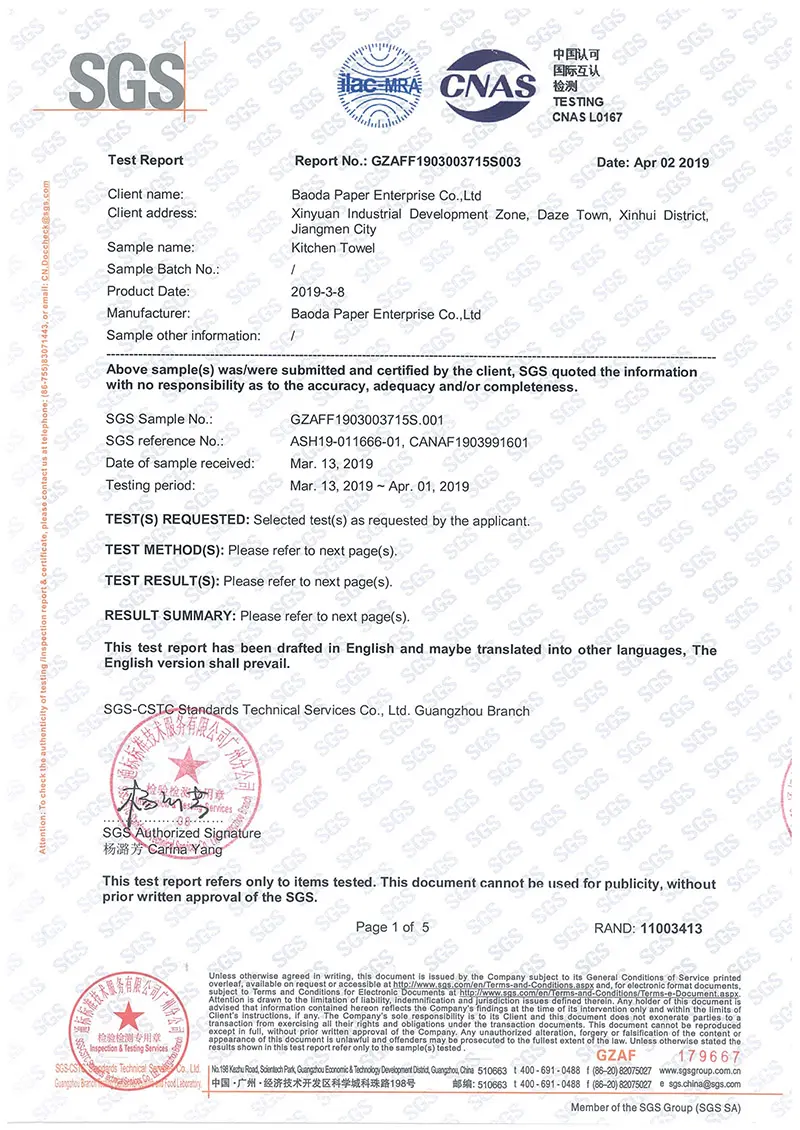
We meet global quality and environmental standards, ensuring compliance in target export markets.
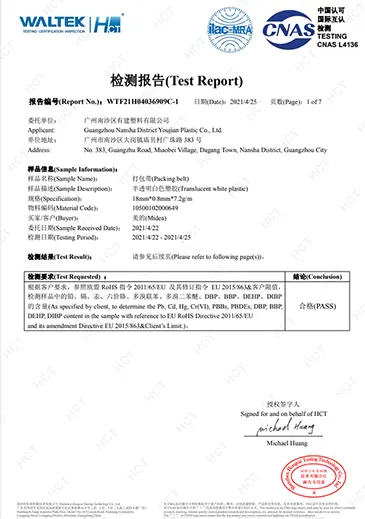
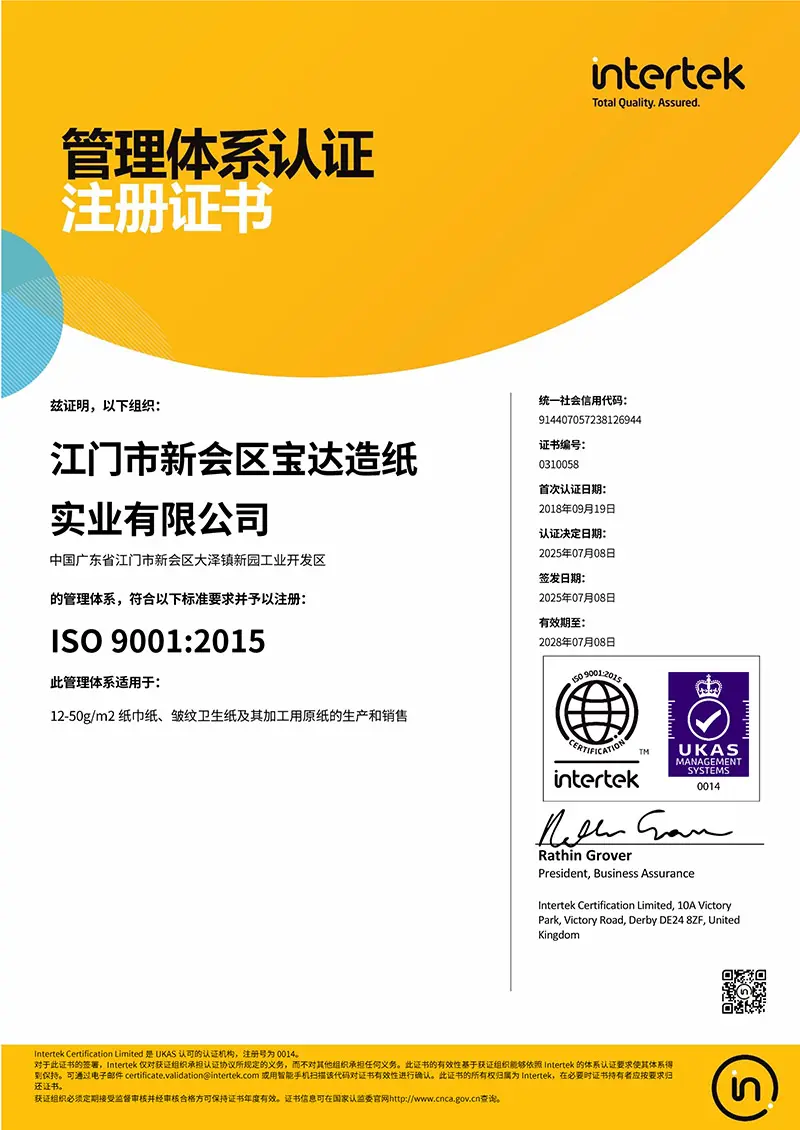
Understanding fiber matrix design and tensile structures for custom emergency sanitization tissue.
A primary technical challenge when engineering emergency toilet paper is balance: achieving sufficient dry tensile strength while ensuring the tissue dissolves quickly in water. If the tissue is too strong, it will clog marine toilets, temporary septic tanks, and municipal wastewater treatment lines. If it dissolves too fast, it becomes unusable when handled. We manage this through careful fiber matrix configuration:
By blending long-fiber pulp (which provides structure and strength) with short-fiber pulp (which provides softness and absorption) in a precise 30:70 ratio, we create a strong, highly absorbent tissue. This method ensures the paper remains durable during use, yet degrades rapidly once fully submerged and agitated in septic systems.
Our automated production lines use dual-embossing steel rollers to apply micro-patterns. This creates air pockets within the layers, significantly increasing absorption rates without needing extra raw material. This structure provides high performance while keeping shipping weights low.
In municipal reserves, paper must often withstand long-term storage in high-humidity climates. We utilize moisture-barrier PE wrapping and double-walled outer corrugated cartons. This packaging protects the products against humidity, dust, and insects, ensuring the tissue is sterile and ready for use when needed.
Technical and logistics answers for procurement specialists and distribution partners.
When wrapped in moisture-resistant PE film and stored in climate-controlled, dry warehouses, our toilet paper has a shelf life of over 10 years. It will not degrade, mold, or lose tensile strength if kept away from direct moisture and pests.
Yes. All of our virgin wood pulp toilet paper products are biodegradable. They are engineered to disperse quickly in water under agitation, preventing clogs in portable facilities, RV tanks, marine toilets, and standard septic systems.
Our standard MOQ for custom logo printing and OEM packaging is one 40-foot HQ container. This configuration maximizes container space, giving you the best per-unit shipping and manufacturing rates.
We hold certifications for ISO 9001 (Quality Management System) and ISO 14001 (Environmental Management System). We can also supply FSC-certified wood pulp products to ensure your procurement meets strict sustainability mandates.
With an annual capacity of over 30,000 tons and relationships with major shipping ports, we prioritize production lines for emergency orders. We also offer options for palletized delivery and coordinated shipping to disaster response hubs worldwide.
Additional commercial products built to meet diverse international trade specifications.
 BAODA PAPER