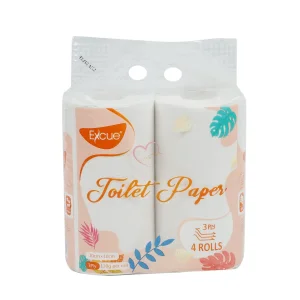
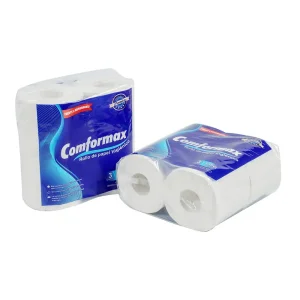
Explore our premium product line manufactured to the highest global quality standards. Click on each product to view custom configurations and wholesale parameters.
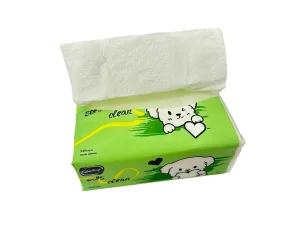
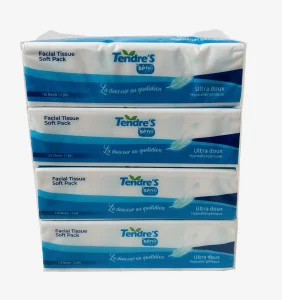
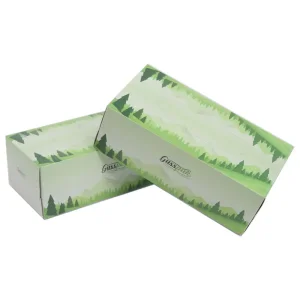
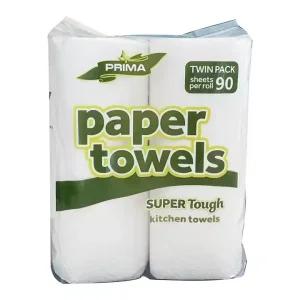
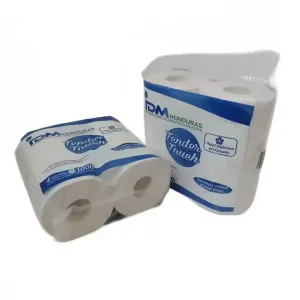
Within the retail and industrial hygiene landscapes, the definition of "Ultra Soft" has evolved from a subjective tactile description into a rigorously measured scientific standard. Modern tissue manufacturing requires a delicate balance of physical chemistry, fiber geometry, and mechanical engineering. Achieving high softness without compromising tensile strength is the primary challenge for OEM manufacturers.
True softness is divided into two distinct tactile inputs: Surface Softness (velvety feel, measured via friction coefficients) and Bulk Softness (pliability, measured through stiffness and compressibility indexes).
To optimize both metrics, the manufacturing process at the factory level relies on several key technical interventions:
The global tissue market is experiencing a profound shift driven by premiumization and sustainability. Commercial purchasers (hotels, hospitals, corporate facilities) and massive retailers (supermarket chains, home goods distributors) are transitioning away from low-cost, harsh single-ply options to sustainable, multi-ply, ultra-soft alternatives to align with consumer demands.
According to recent industry market intelligence, the demand for premium virgin pulp tissue in North America, Western Europe, and Oceania has grown by over 4.8% annually. This growth is heavily concentrated in the private label segment. Retail giants like Walmart, Costco, and regional supermarkets are aggressively expanding their premium tissue portfolios. By offering store brands that equal or surpass the quality of national national brands, they capture higher gross margins while building consumer loyalty.
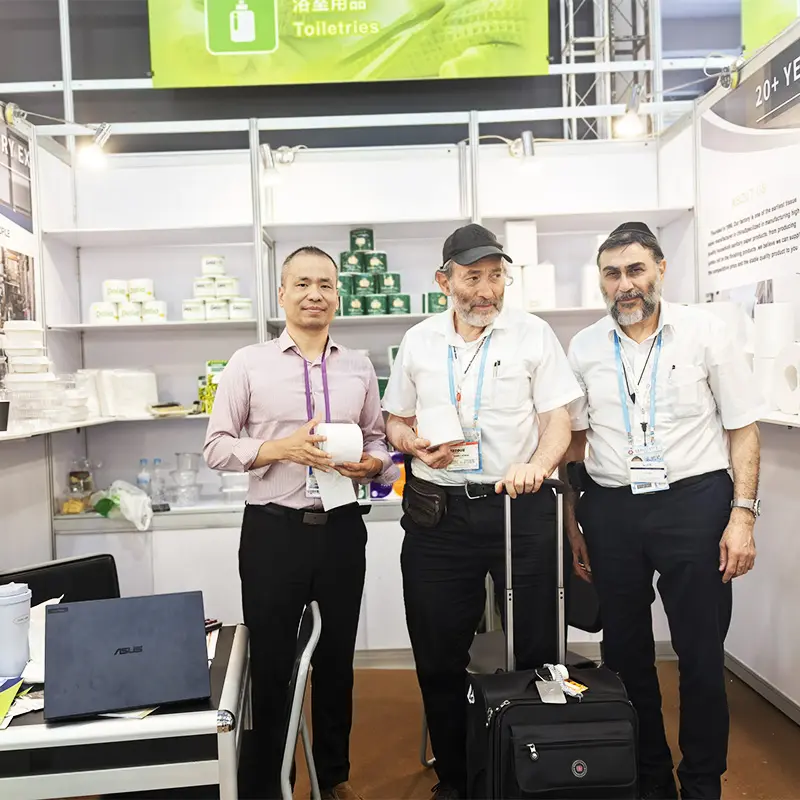
Our global footprint enables us to navigate complex shipping logistics, customs documentation, and supply chain constraints efficiently. With distribution networks extending across more than 60 countries—including primary corridors in the United States, Australia, and Western Europe—our factory acts as a direct growth accelerator for B2B procurement networks.
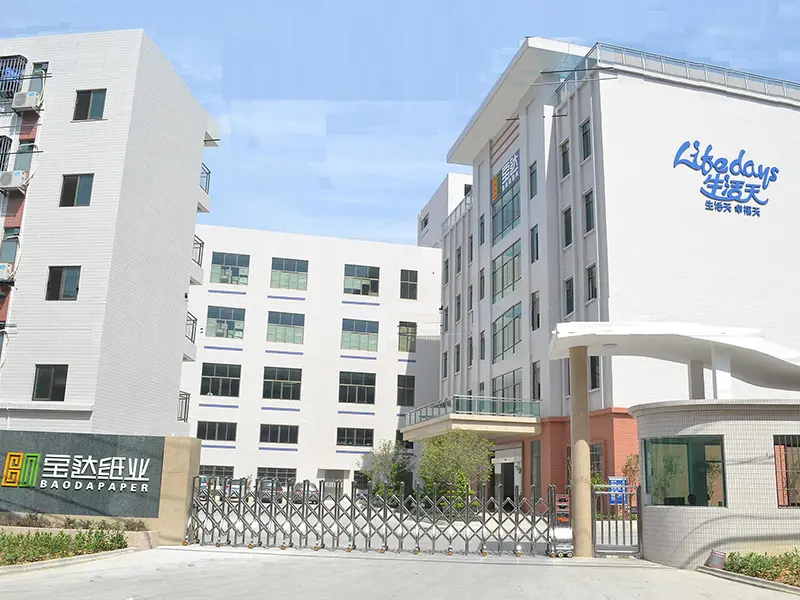
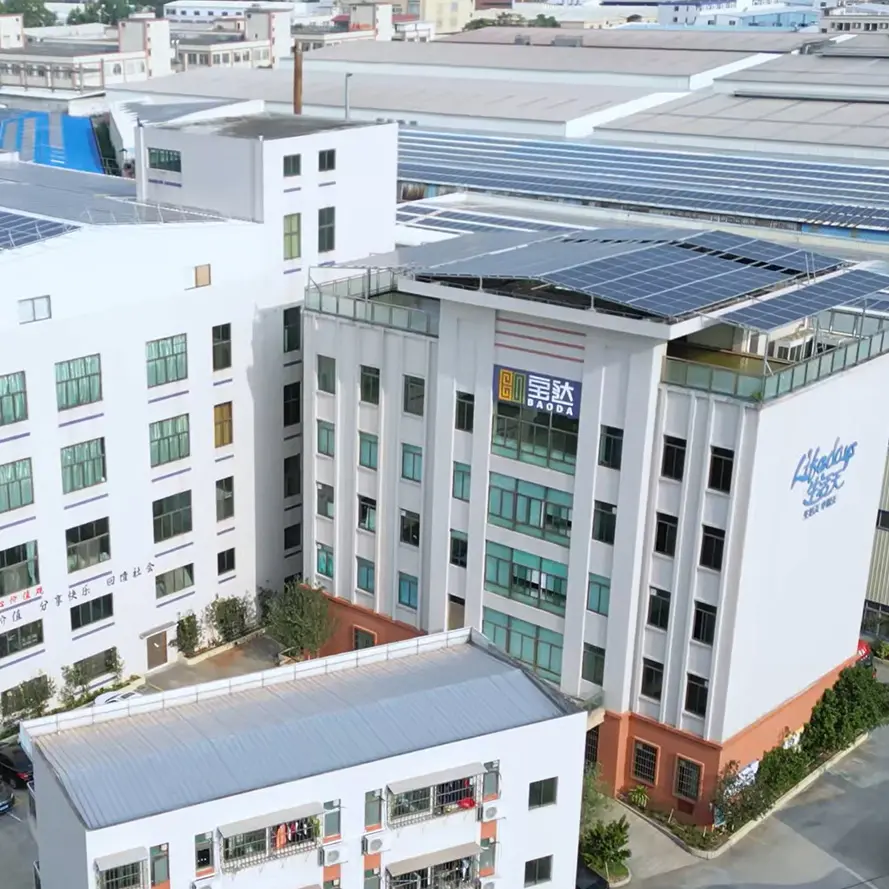
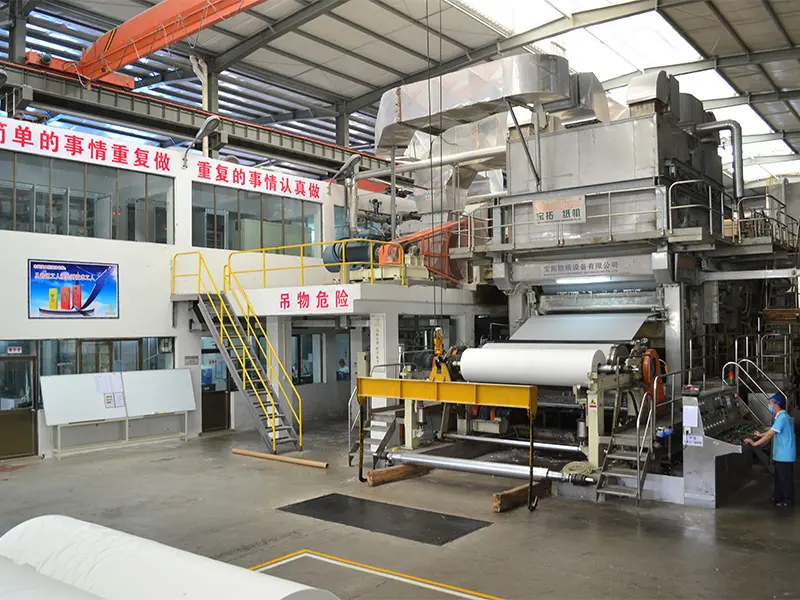
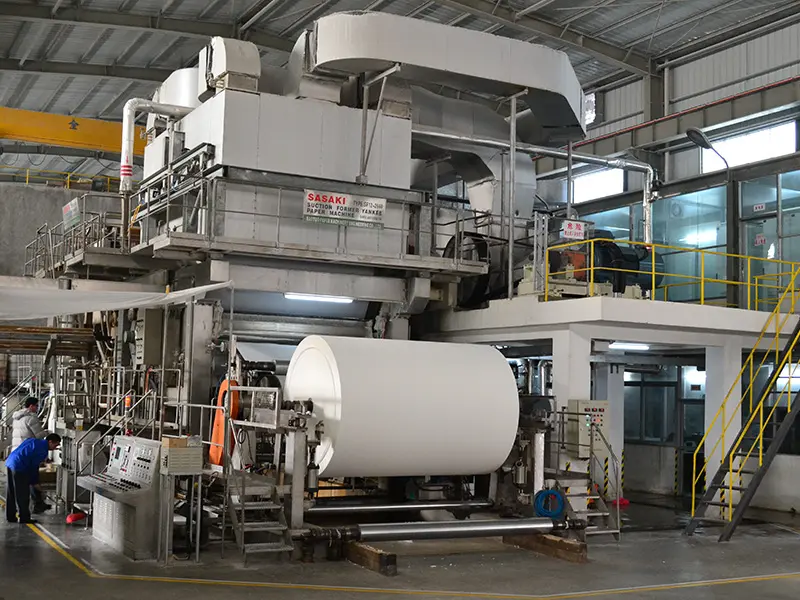
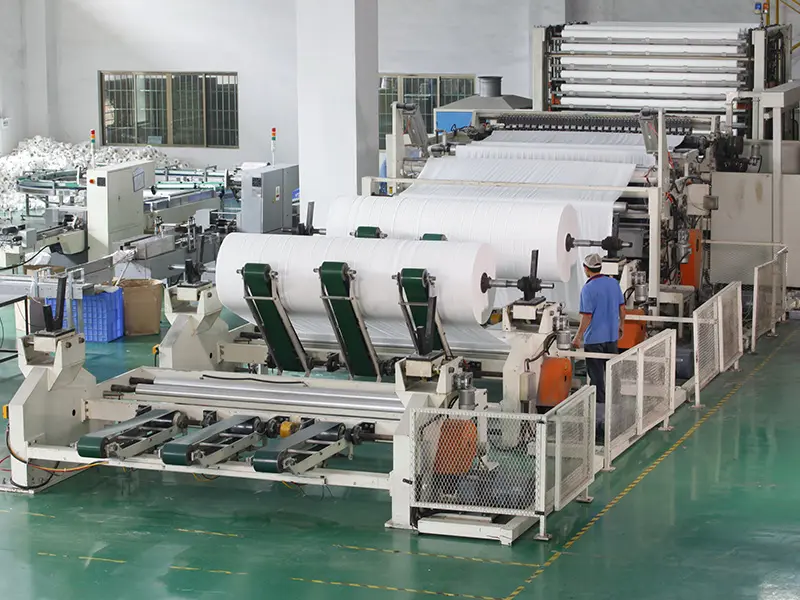
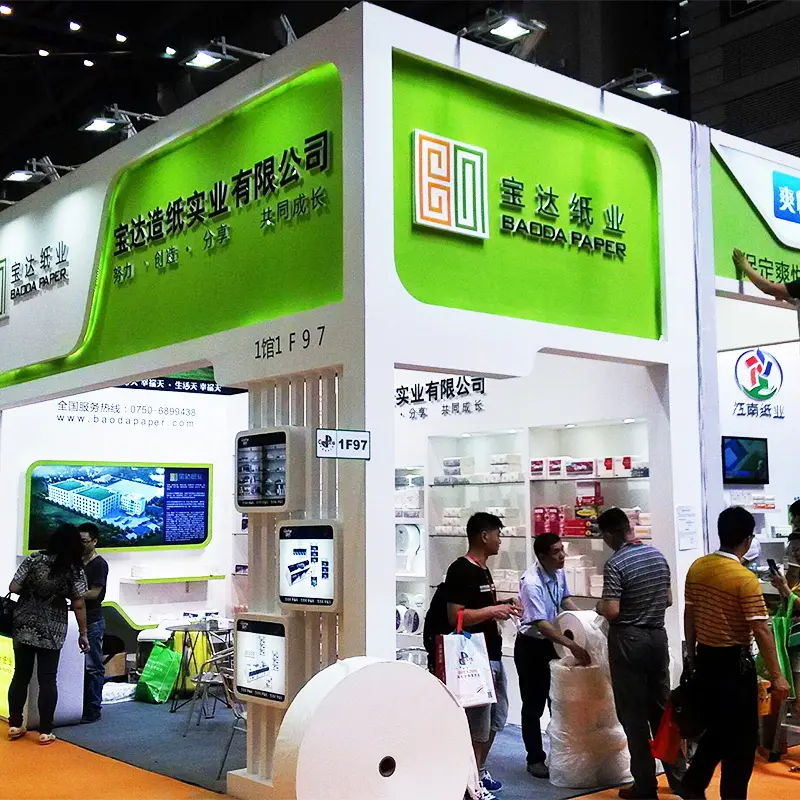
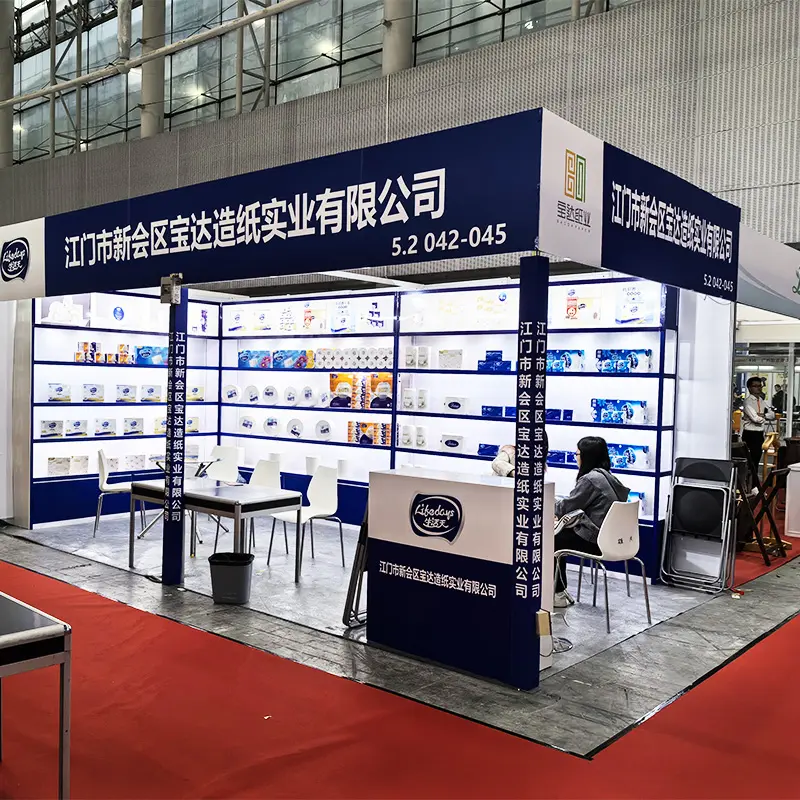
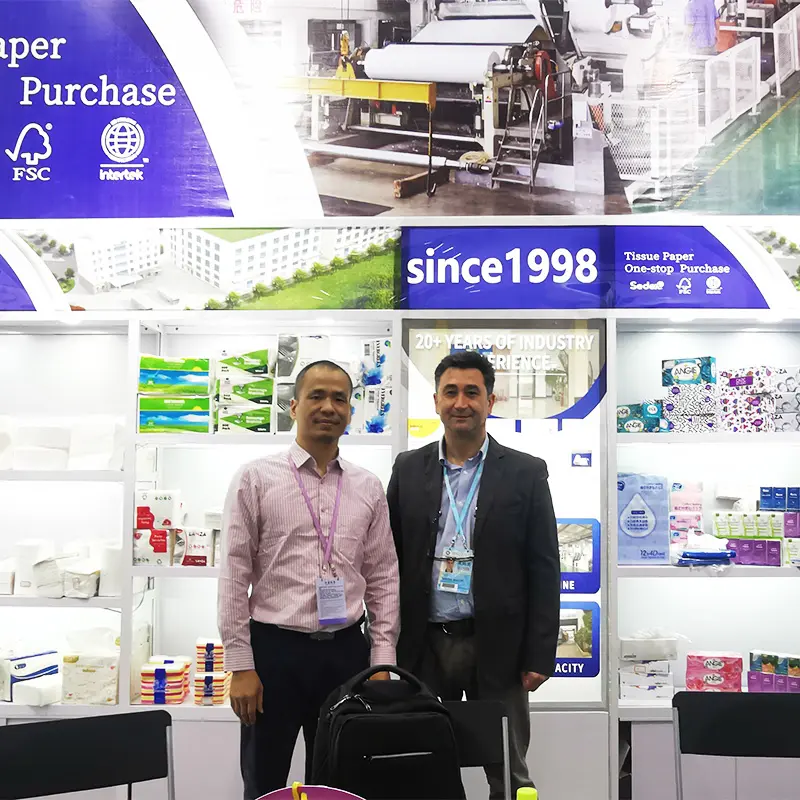
For over 27 remarkable years, since our inception in 1998, Baoda Paper Co., Ltd. has stood as an unwavering cornerstone of China's tissue paper industry, evolving from a domestic manufacturer into a globally recognized force. We have meticulously built our legacy on a formidable foundation of advanced manufacturing excellence and an unwavering commitment to quality. Our modern, sprawling complex, exceeding 20,000 square meters, is a testament to this commitment. Within its walls, we house state-of-the-art, imported high-speed paper machines and sophisticated automated processing lines. This powerful infrastructure is the engine behind our impressive annual production capacity of over 30,000 tons, enabling us to meet large-scale demands without compromising on the consistent quality that defines the Baoda name.
Our comprehensive and curated product portfolio is designed to provide complete one-stop solutions for diverse market needs. We offer an extensive range of products, from essential household items like premium toilet rolls, versatile kitchen towels, and soft facial tissues to convenient and hygienic pocket tissue packs for on-the-go use. Understanding the diverse paths to market success, our business model is both robust and flexible. While we proudly market three successful self-owned brands, we are also a premier partner for clients seeking to build their own product lines. We specialize in tailored ODM (Original Design Manufacturing), OEM (Original Equipment Manufacturing), and OBM (Original Brand Manufacturing) services, working collaboratively to bring our clients' unique visions and brand identities to life with precision and expertise.
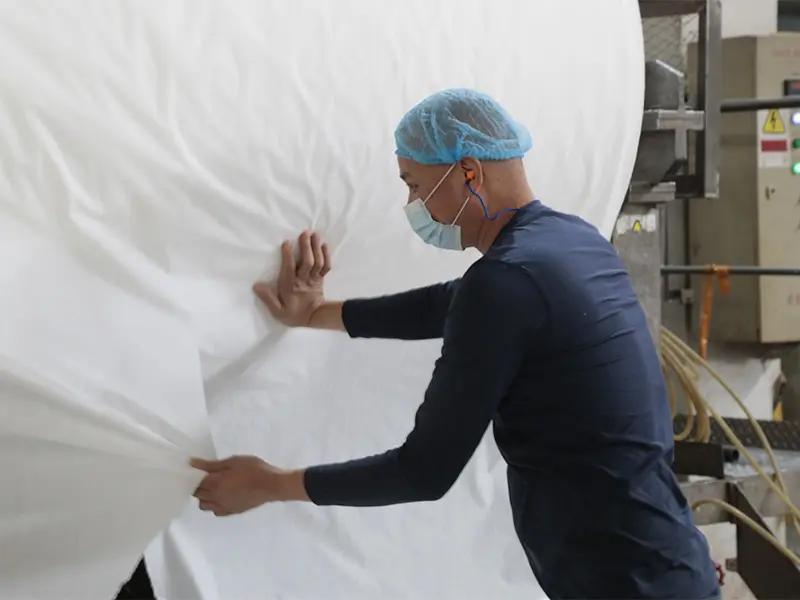
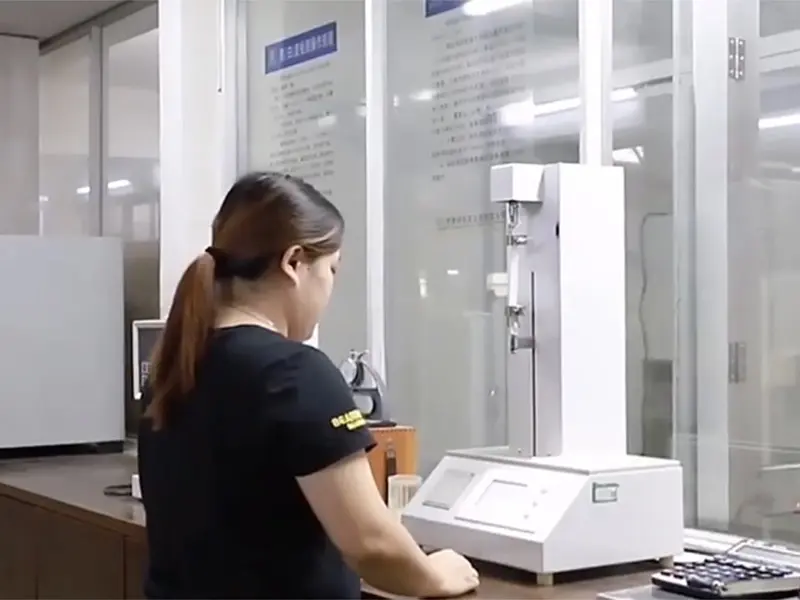
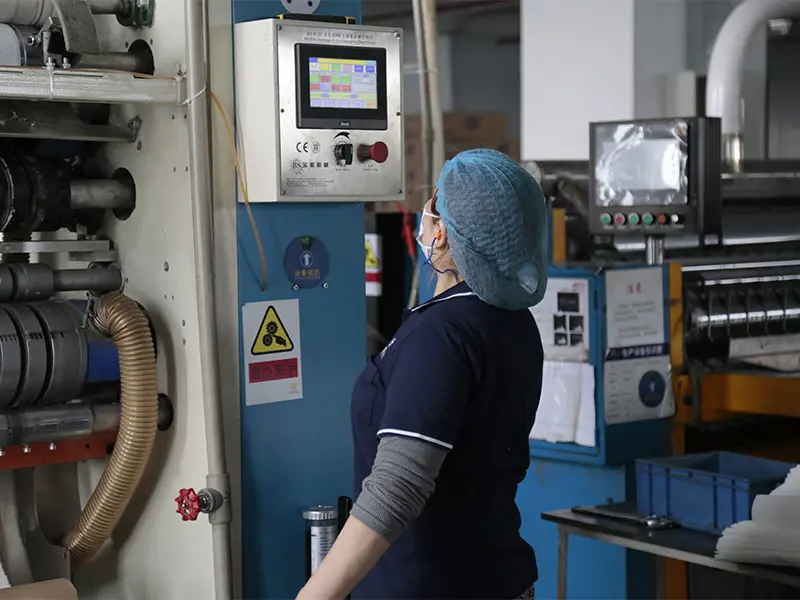
Reliability in B2B supply chains is built on meticulous quality control and corporate responsibility. We have designed a multi-tier audit process that ensures consistency across every production run.
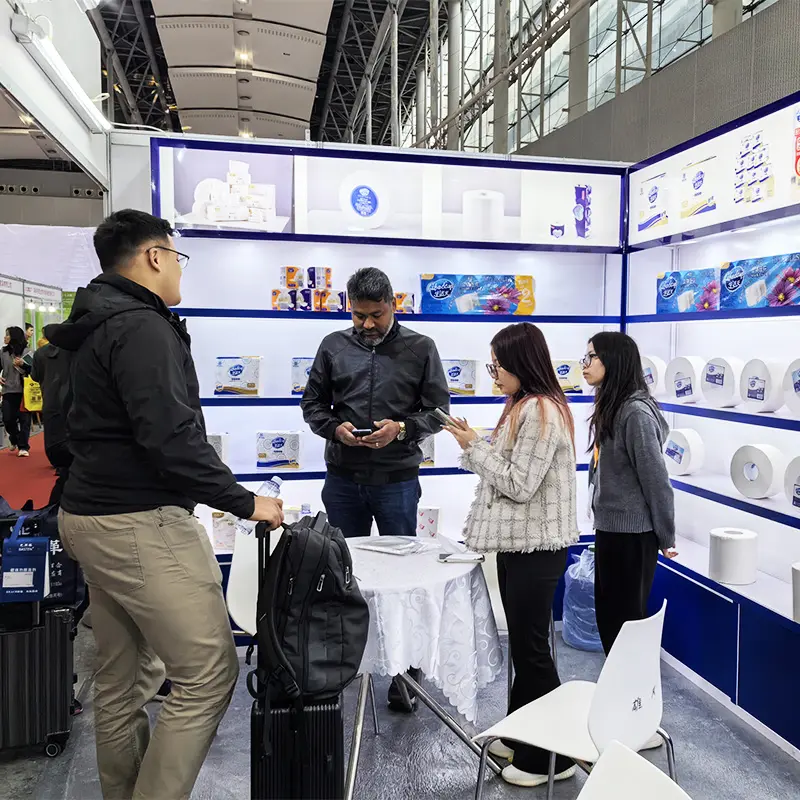
For procurement managers seeking precision, below is the standard configuration matrix offered by our factory. All specifications are completely customizable during the ODM/OEM design phase.
| Parameter | Standard Options | Premium Configurations (Ultra Soft) | Testing Standards & Methodologies |
|---|---|---|---|
| Raw Material | Recycled pulp, Mixed pulp | 100% Virgin Wood Pulp, Bamboo fiber | FSC Chain-of-Custody Certification |
| Ply Count | 1-Ply, 2-Ply | 3-Ply, 4-Ply, multi-layered laminating | ISO 12625-3 (Thickness & Bulking) |
| Basis Weight (GSM) | 13 - 15 g/m² per ply | 16 - 18 g/m² per ply | ISO 12625-6 (Grammage determination) |
| Embossing Patterns | No embossing, border embossed | Full micro-embossing, double-nested 3D embossing | Visual definition & tactile profiling |
| Tensile Strength (MD) | ≥ 120 N/m | ≥ 200 N/m (with softeners) | ISO 12625-4 (Tensile testing) |
| Water Absorption | ≤ 10 seconds | ≤ 2.5 seconds (high-capacity absorption) | ISO 12625-8 (Water-absorption rate) |
| Core Diameter | 35mm, 40mm, 45mm | Fully custom cardboard or coreless configurations | Caliper measurement |
| Packaging Designs | Standard OPP shrink wrap | Biodegradable paper wraps, custom retail gift boxes | Drop test compliance (ASTM D5276) |
Our commitment to excellence is validated by recognized auditing boards. We maintain rigorous standards to ensure smooth market access for your private label lines.
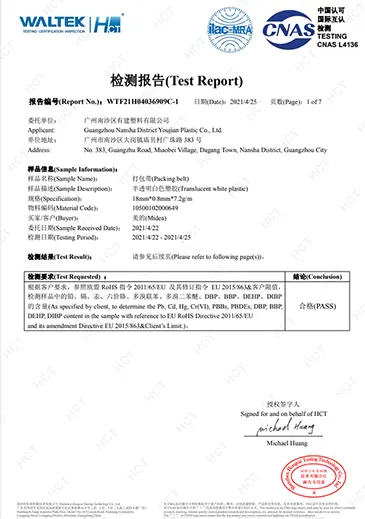
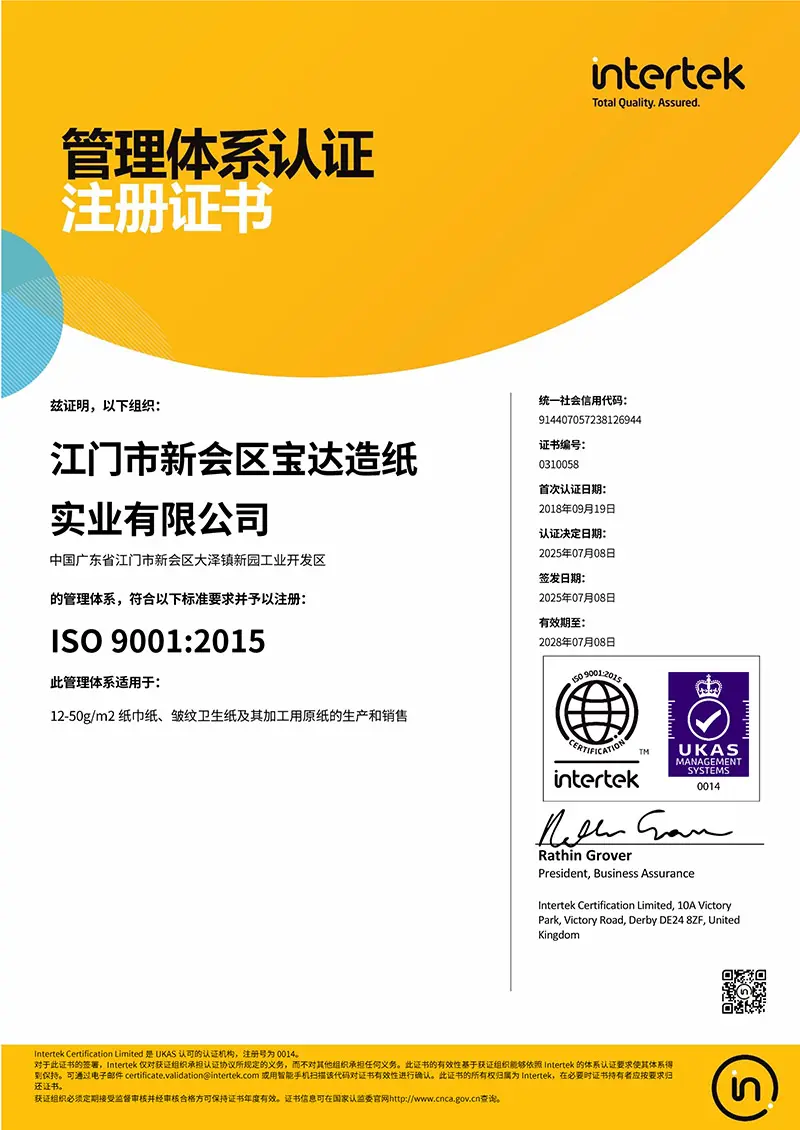
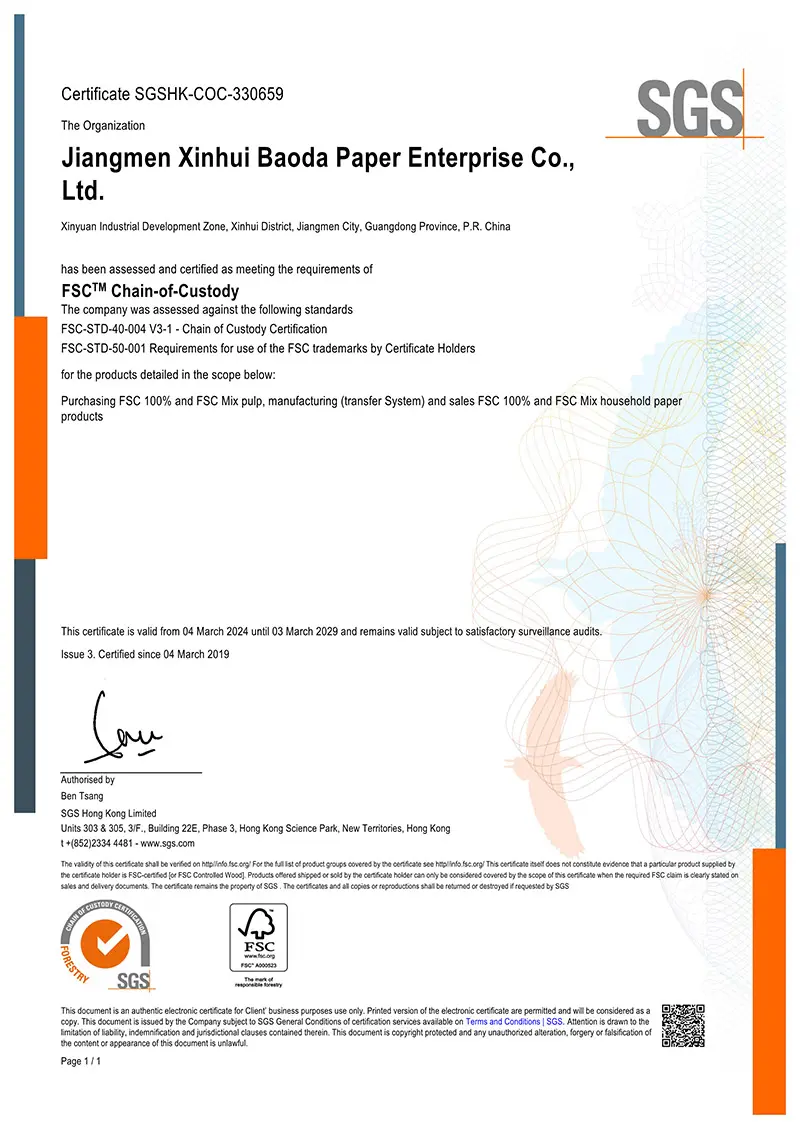
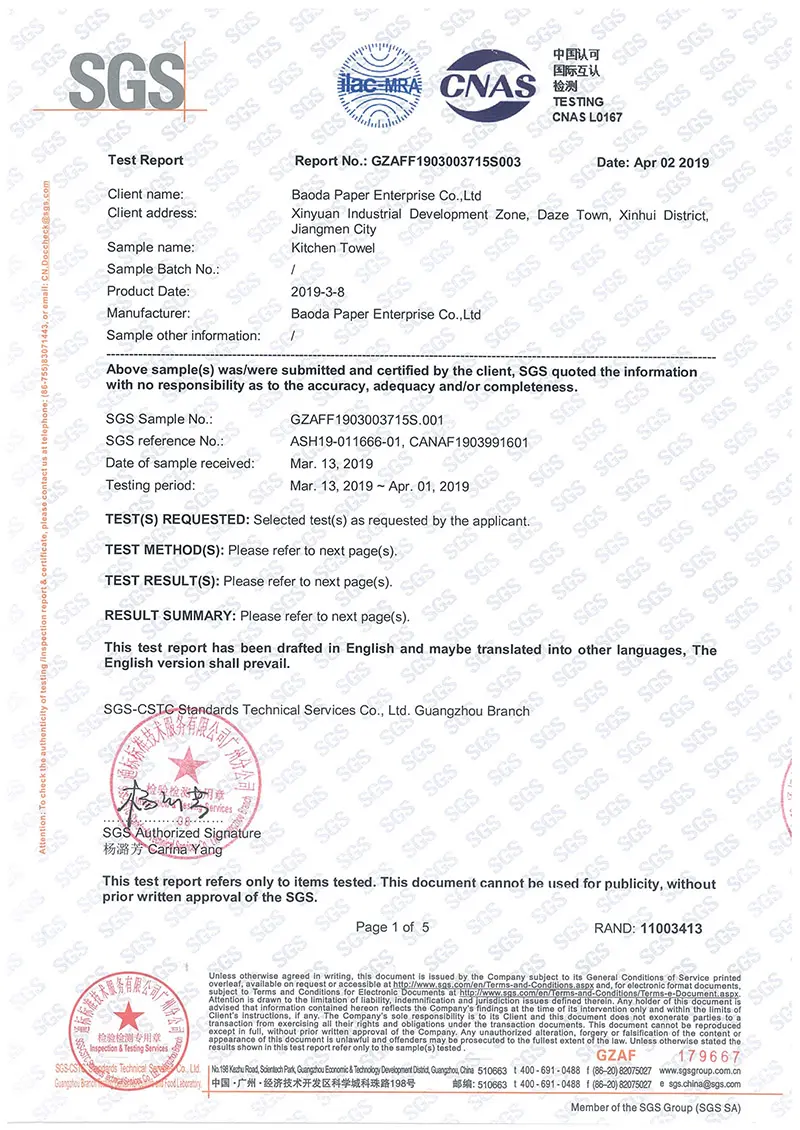
Looking to the next decade, tissue manufacturing must adapt to twin goals: lowering carbon footprint and introducing smart technological controls. Our R&D division has laid down a clear roadmap to meet these demands:
While virgin wood pulp remains the benchmark for premium soft tissue, we are incorporating alternative fibers such as rapidly renewable bamboo and agricultural residues (wheat straw). These fibers are processed through customized enzymatic treatments to break down harsh lignin matrices, yielding high softness metrics while maintaining their structural integrity. Furthermore, all our products are tested to ensure rapid dispersion in water, making them completely septic-safe and protecting municipal wastewater networks.
In response to global legislation curbing single-use plastics, Baoda is transitioning packaging designs toward sustainable alternatives. We offer OEM partners options like water-soluble poly-materials, post-consumer recycled (PCR) plastics, and FSC-certified kraft paper wraps. By reducing structural excess weight, we optimize shipping densities, reducing secondary environmental impact during cargo transport.
Expert answers addressing regulatory, chemical, and operational aspects of private label toilet tissue procurement.
Select from our bulk-buy options and professional institutional packs. Every SKU is backed by our full 27-year quality guarantee.
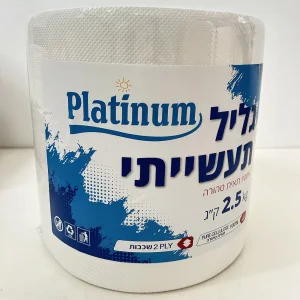
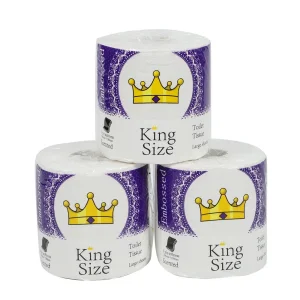
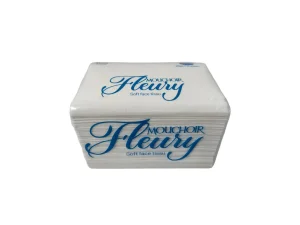
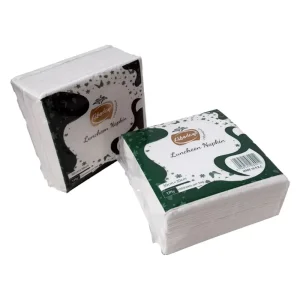
 BAODA PAPER