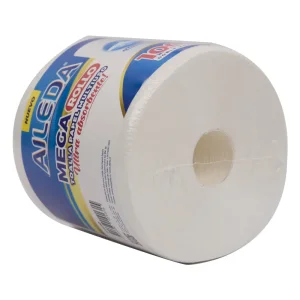
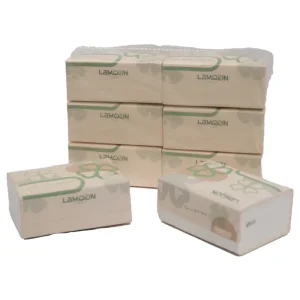
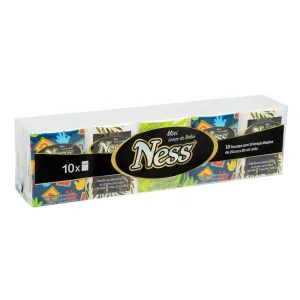
High-absorbency, pure pulp products customized to withstand the demanding, high-traffic commercial environments of the CDMX Metropolitan Area.
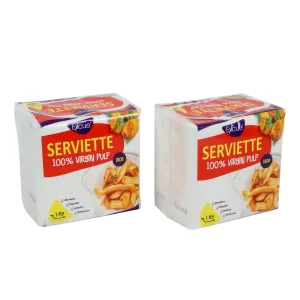
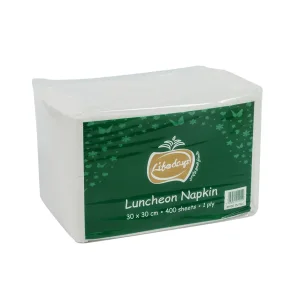
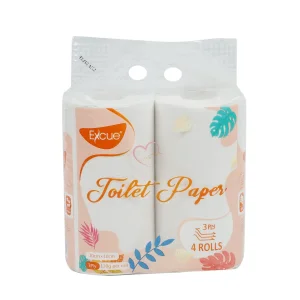
In the wake of global supply chain transformations, Mexico City (CDMX) has solidified its position not only as the political and cultural heart of Mexico but also as a critical hub for commerce, logistics, and high-volume procurement in Latin America. The rapid expansion of premium hotels, corporate offices, retail giants, and institutional food service providers in areas like Polanco, Santa Fe, and Paseo de la Reforma has driven an unprecedented demand for high-utility, hygienic paper products. To remain competitive, local procurement directors are prioritizing suppliers that balance cost-effectiveness with world-class quality standards, certified sustainability, and structural supply chain resilience.
Mexico City’s unique status as a megacity comes with substantial logistical and distribution complexities. With a metropolitan population exceeding 22 million, the supply chain for FMCG (Fast-Moving Consumer Goods) requires decentralized regional distribution hubs. Traditional local manufacturers often face capacity bottlenecks, water-scarcity regulations within the Valley of Mexico, and rising energy costs that impact production margins. Consequently, smart businesses are turning to a hybrid sourcing model—integrating highly efficient international direct-factory manufacturing with local warehouse hubs in surrounding industrial zones like Tlalnepantla, Vallejo, and Cuautitlán Izcalli. This enables continuous replenishment of essential goods, preventing stockouts in highly volatile retail environments.
Globally, the tissue manufacturing sector is undergoing a profound structural pivot. Raw material procurement is increasingly constrained by environmental mandates and supply chain disruptions. High-quality virgin wood pulp remains the benchmark for premium commercial tissue due to its long, robust fibers, which translate directly into superior wet strength and soft texture. Concurrently, there is a mounting global mandate for FSC (Forest Stewardship Council) certified products, as corporate social responsibility (CSR) programs dictate that hospitality and corporate offices must reduce their carbon footprint. Sourcing tissue from manufacturers that utilize state-of-the-art energy recovery loops and closed-circuit water systems is no longer optional—it is a core procurement requirement.
While recycled fiber serves low-tier industrial needs, virgin wood pulp provides the essential tensile strength, high absorbency, and hypoallergenic characteristics required for luxury hotels, medical facilities, and fine dining establishments. The long fibers in virgin pulp create a structural matrix that prevents premature tearing when wet, drastically reducing overall product consumption per user.
Advanced mechanical embossing patterns are not merely decorative. They create micro-chambers within the sheet, multiplying the surface area and increasing capillary action for rapid liquid absorption. In high-traffic environments, a high-quality embossed 1-ply napkin often outperforms a standard flat 2-ply napkin, lowering operational costs.
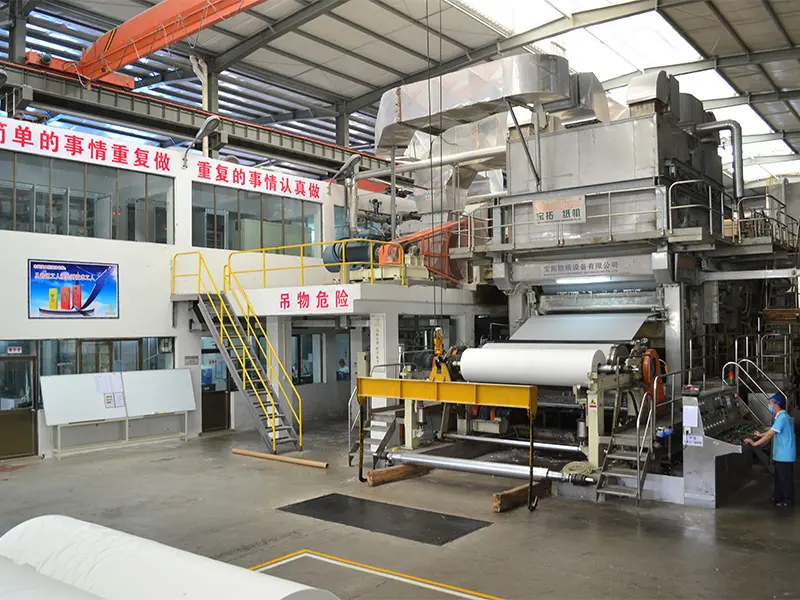
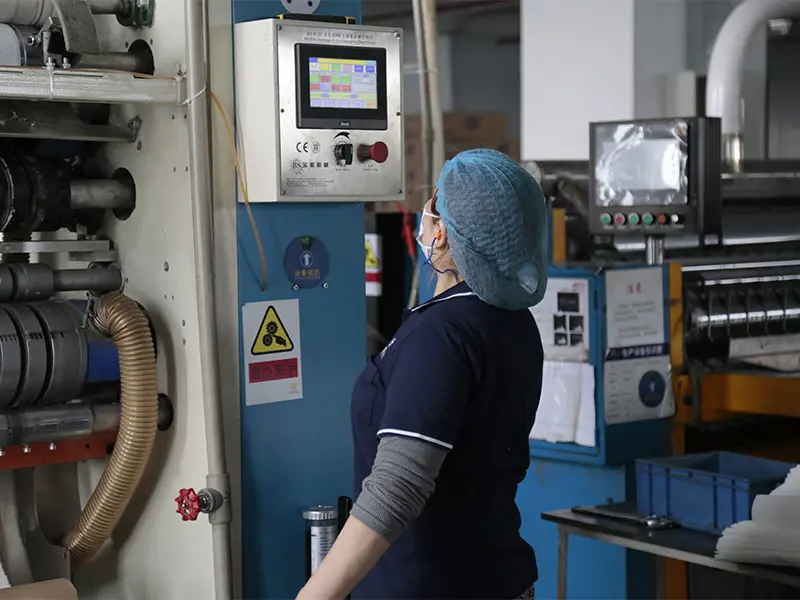
Why do global enterprises turn to China-based manufacturing hubs like Baoda Paper Co., Ltd.? The answer lies in advanced manufacturing scale and process automation. Chinese factories have pioneered the implementation of high-speed Crescent Former paper machines, automated tension control rewinding systems, and robotic packaging lines. This high degree of automation ensures:
Engineered to support corporate sustainability mandates and high-volume distribution networks without compromising performance.
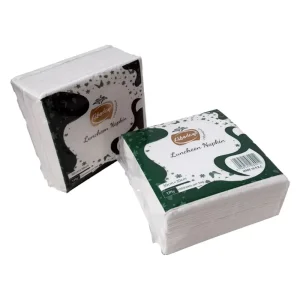
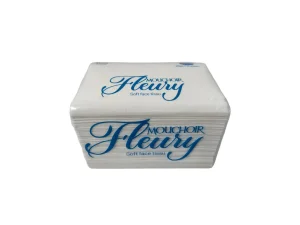
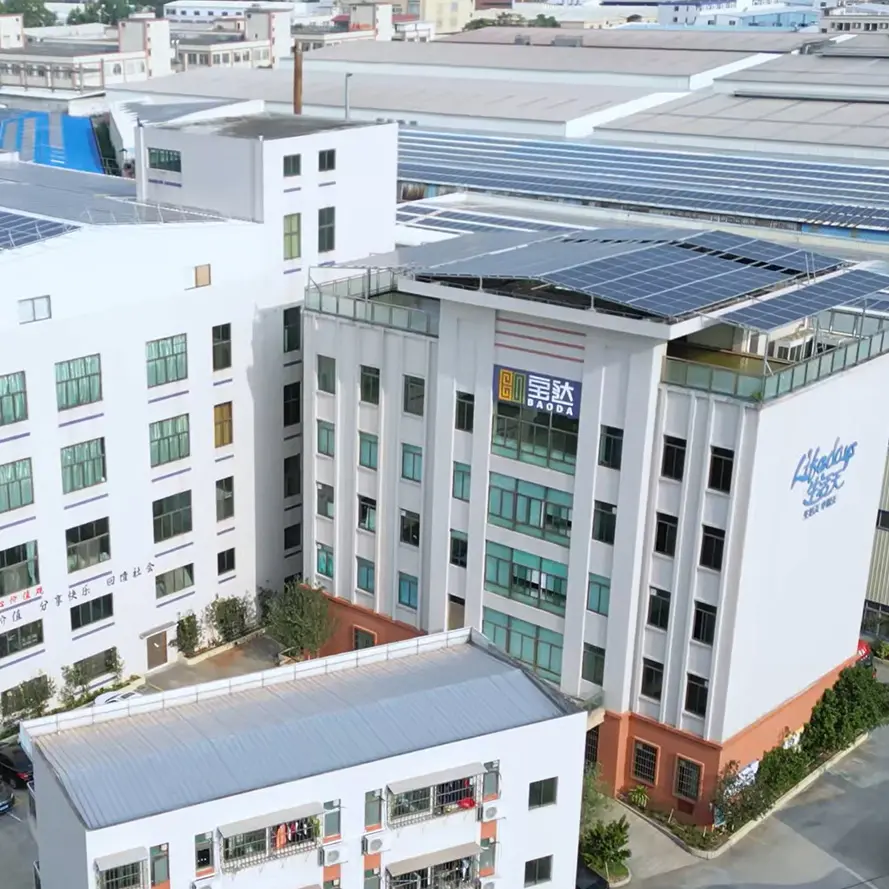
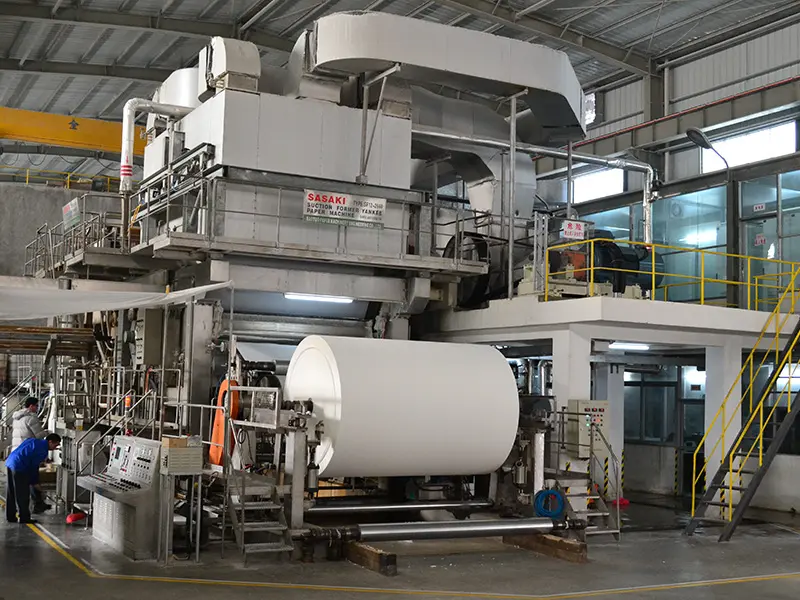
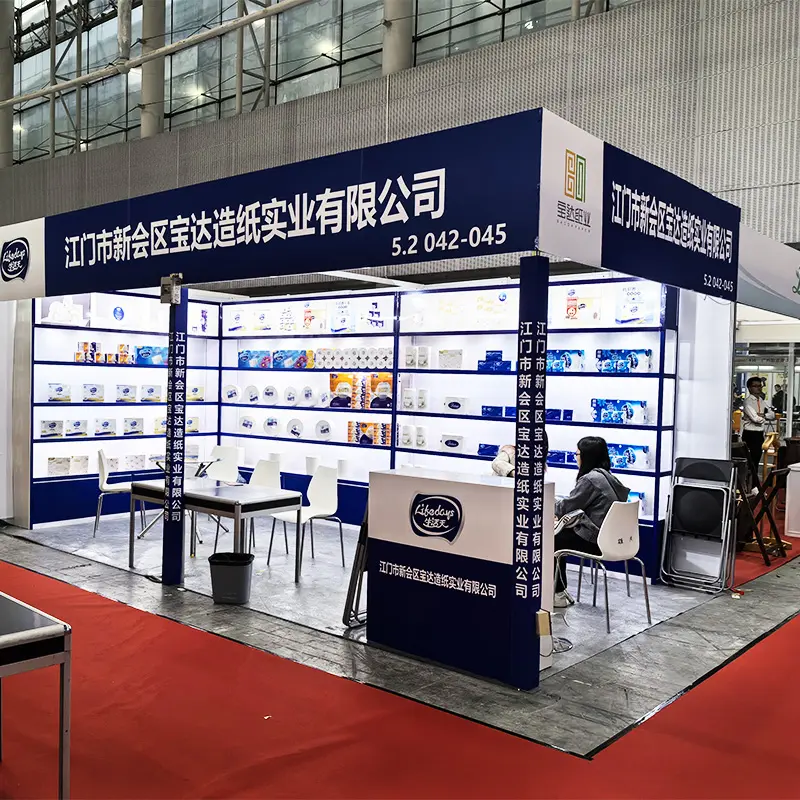
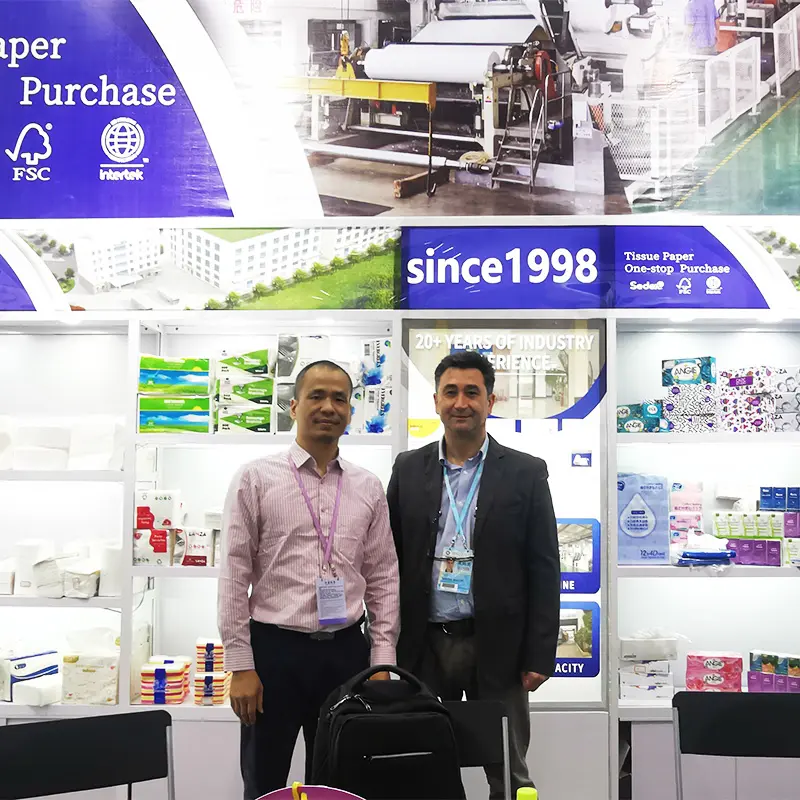
For over 27 remarkable years, since our inception in 1998, Baoda Paper Co., Ltd. has stood as an unwavering cornerstone of China's tissue paper industry, evolving from a domestic manufacturer into a globally recognized force. We have meticulously built our legacy on a formidable foundation of advanced manufacturing excellence and an unwavering commitment to quality. Our modern, sprawling complex, exceeding 20,000 square meters, is a testament to this commitment. Within its walls, we house state-of-the-art, imported high-speed paper machines and sophisticated automated processing lines. This powerful infrastructure is the engine behind our impressive annual production capacity of over 30,000 tons, enabling us to meet large-scale demands without compromising on the consistent quality that defines the Baoda name.
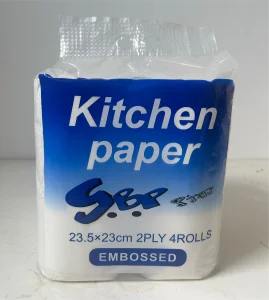
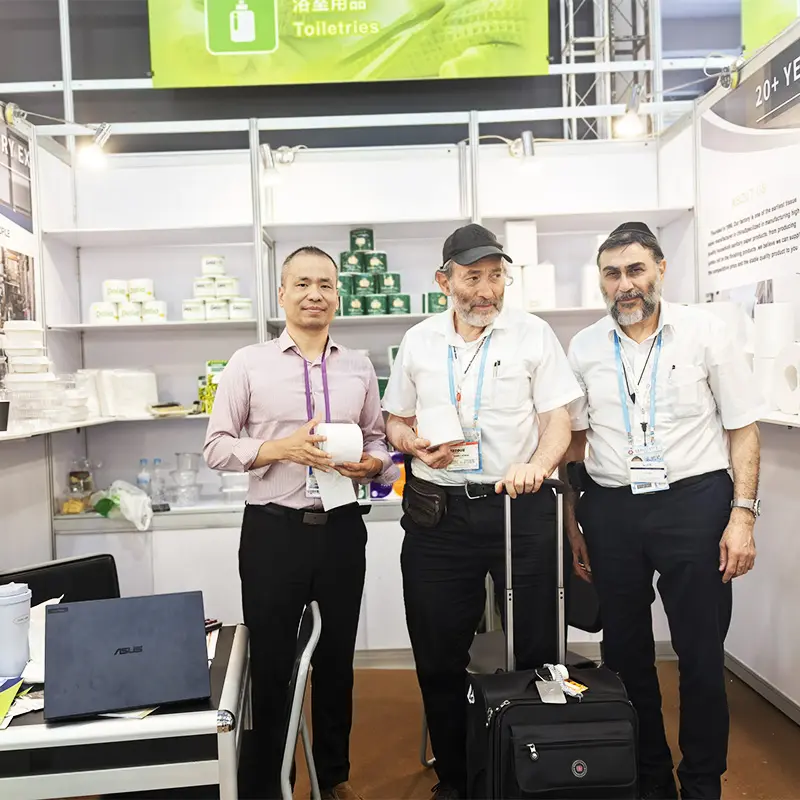
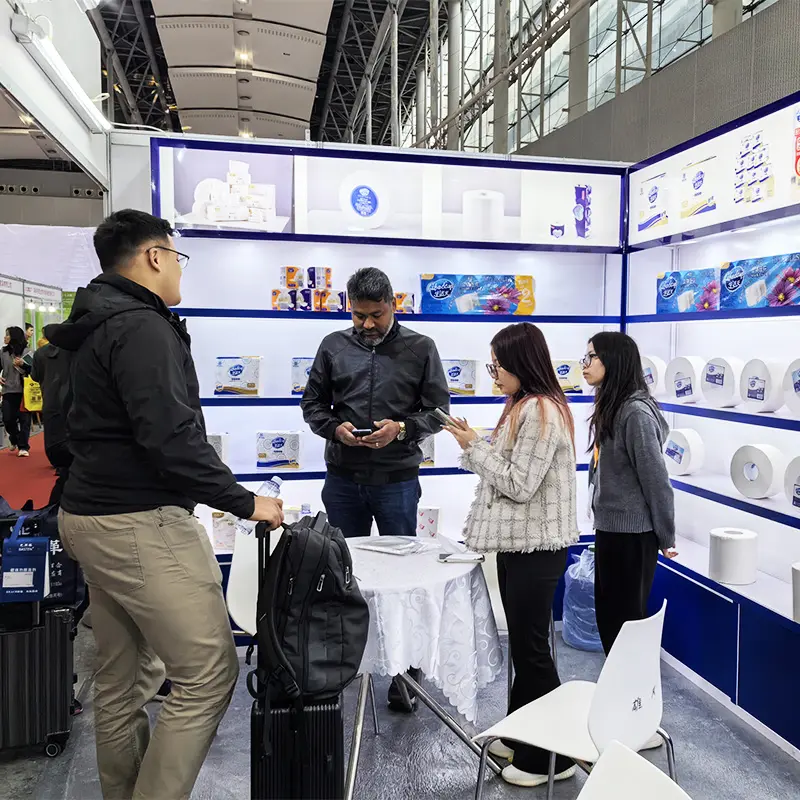
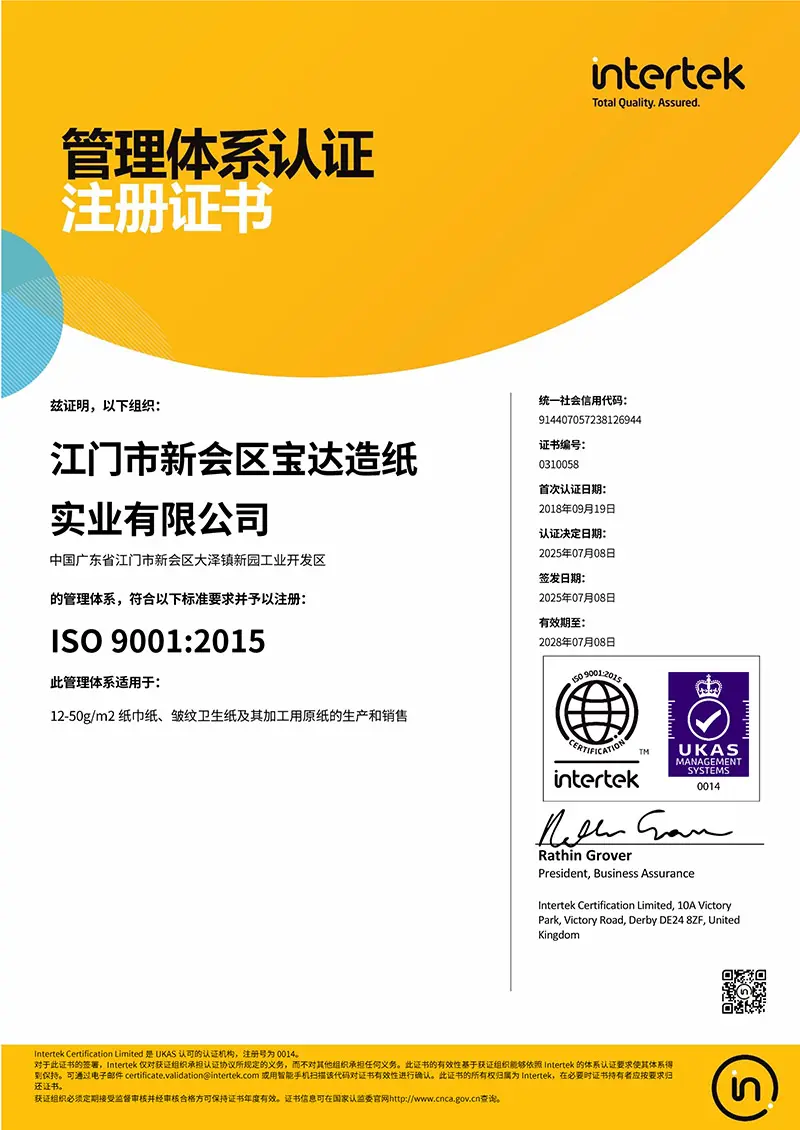
Our comprehensive and curated product portfolio is designed to provide complete one-stop solutions for diverse market needs. We offer an extensive range of products, from essential household items like premium toilet rolls, versatile kitchen towels, and soft facial tissues to convenient and hygienic pocket tissue packs for on-the-go use. Sourcing directly from us gives you structural cost protection, rapid product customization capabilities, and the certainty of working with a factory audited by third-party global bodies.

Years of Manufacturing Excellence
Annual Production Capacity
Factory Floor Area
Decades of innovation and consistent execution have built an international distribution network spanning more than 60 countries.
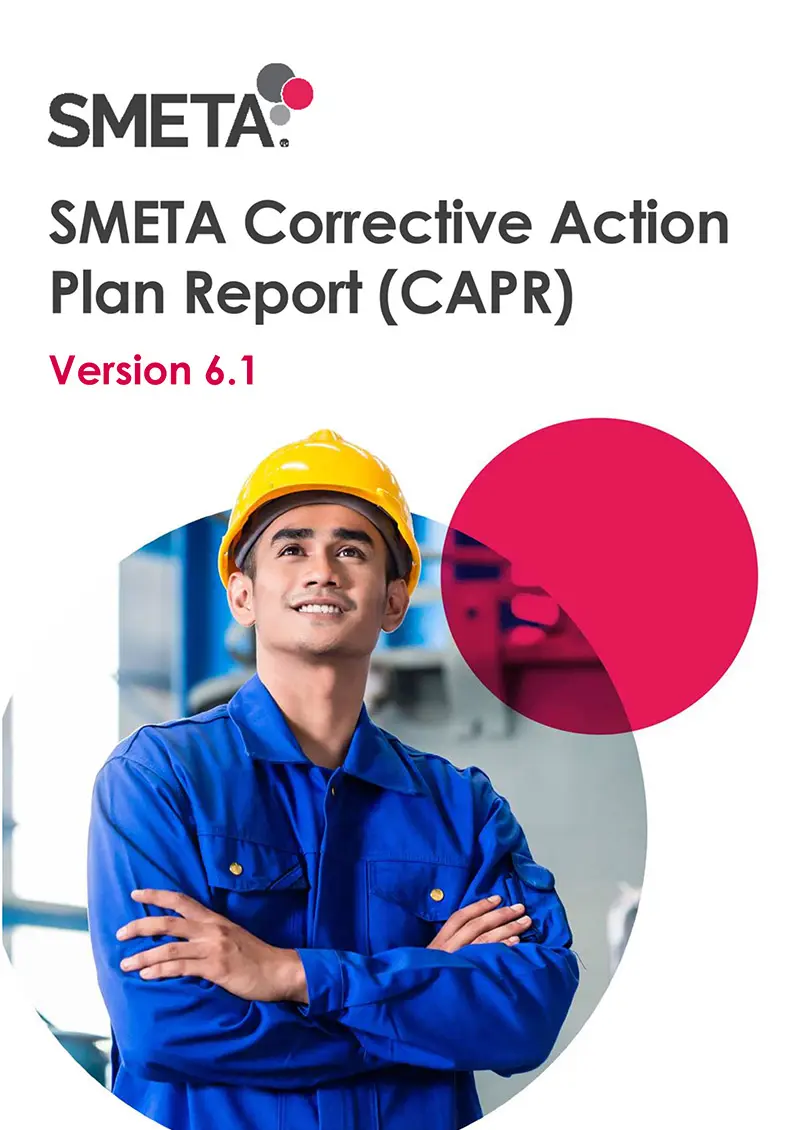
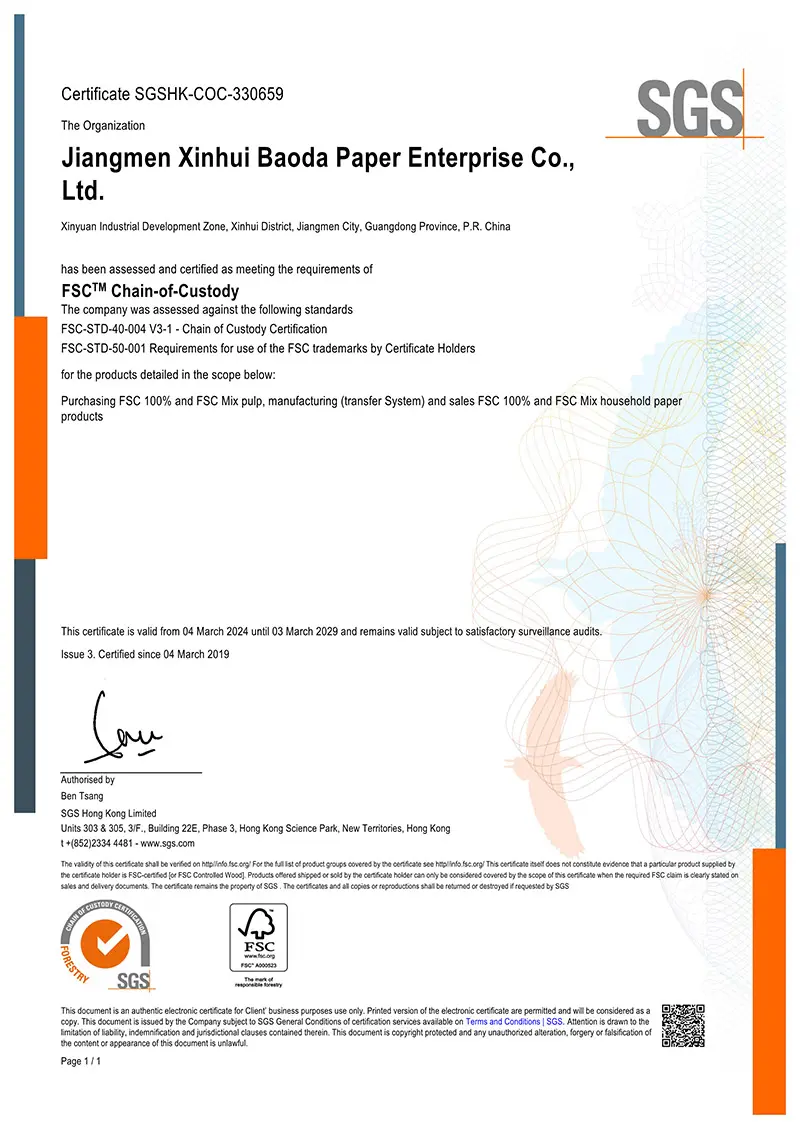
Our commitment to ethical labor, circular waste reduction, and FSC chain-of-custody sourcing has earned us the trust of over 10,000 global retail leaders, including Walmart and Watsons.
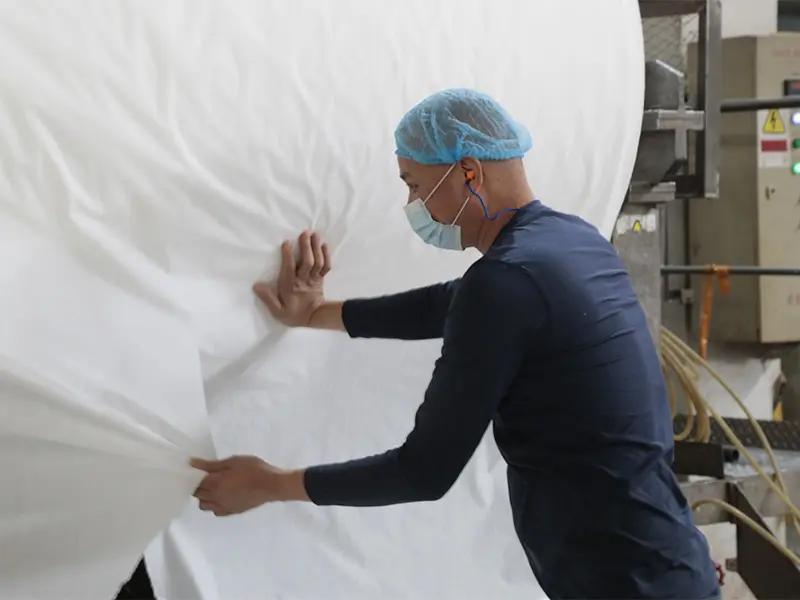
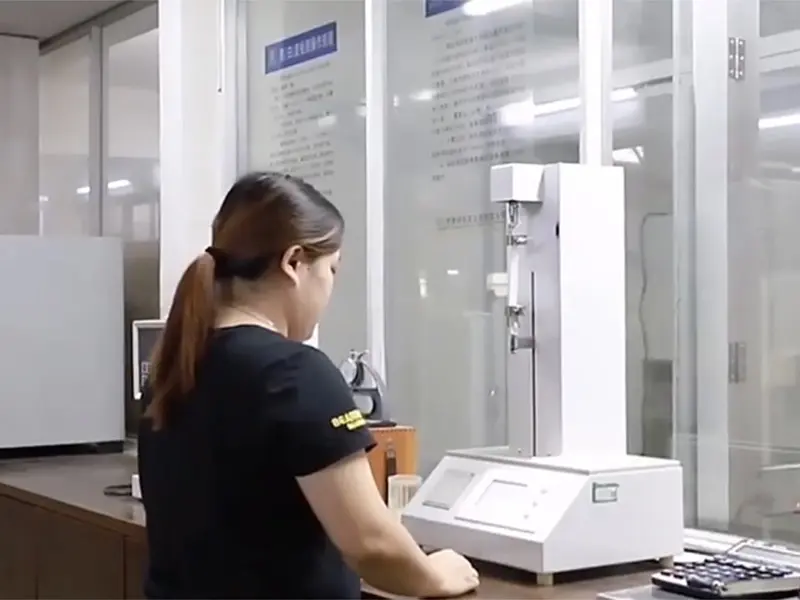
Every batch of raw pulp undergoes rigorous moisture control, fiber length analysis, tensile strength tests, and microbiological screening in our dedicated testing facility.
We provide full-spectrum logistics monitoring, localized customs clearance documentation support, and structural product replacement guarantees if quality specifications deviate.
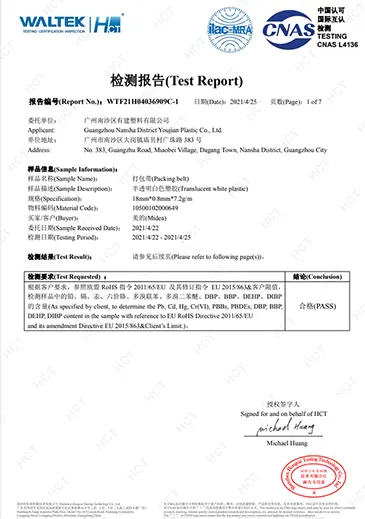
Our manufacturing system is certified under international standards to ensure frictionless import and safety compliance.
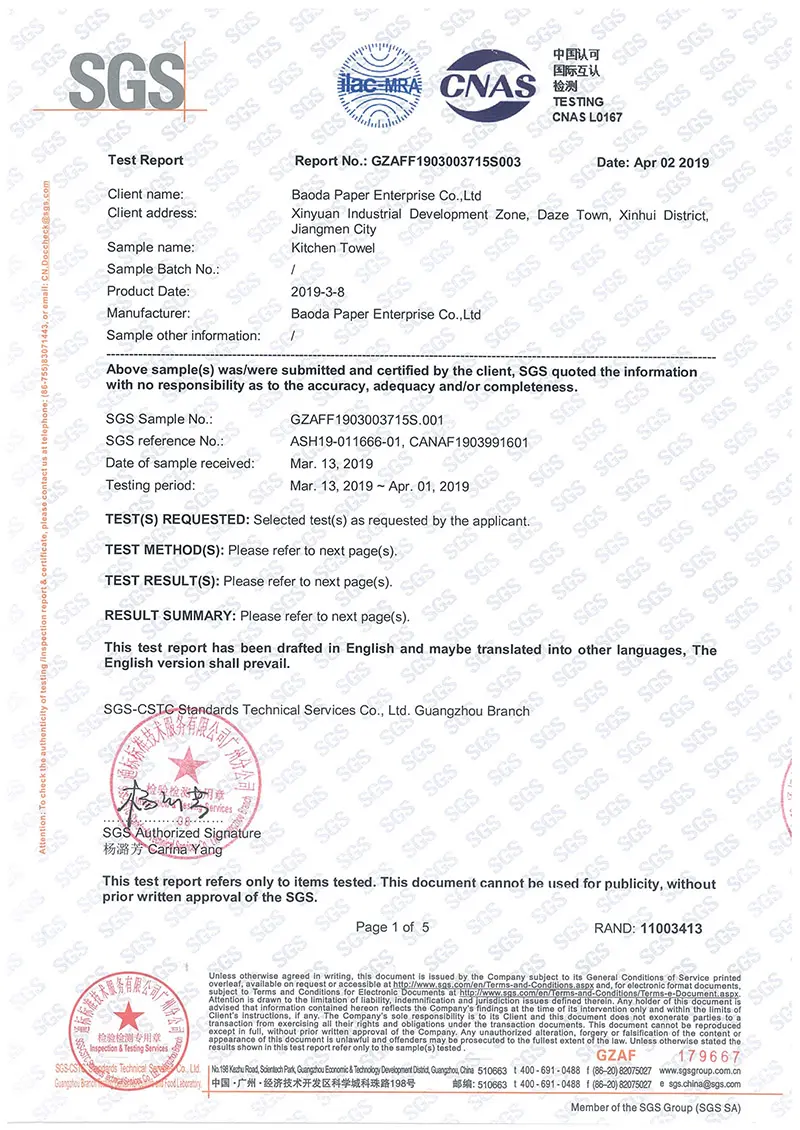
Explore our full selection of institutional and retail tissue items. Direct shipments optimized for Mexico City commercial routes.
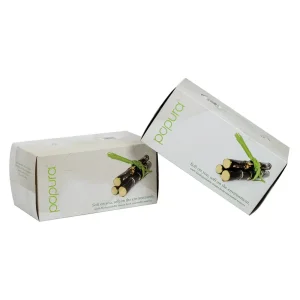
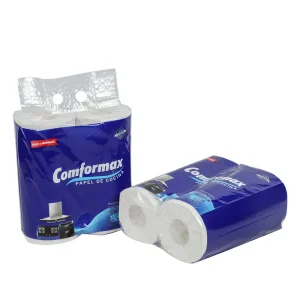
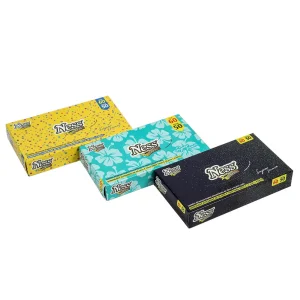
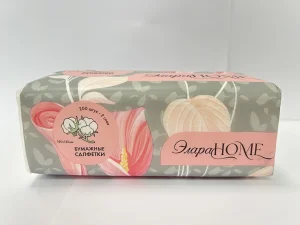
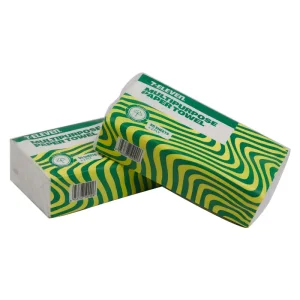
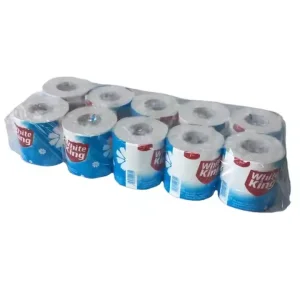
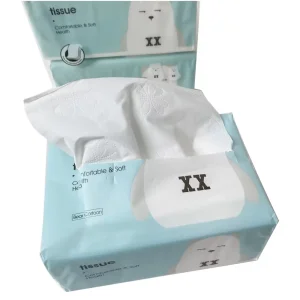
Across the Latin American market, particularly within Mexico City’s strict environmental framework, sustainability is no longer a secondary consideration. Modern procurement criteria assess the carbon footprint of products from pulp raw material cultivation down to final sea freight. Sourcing virgin pulp from sustainably managed FSC plantations guarantees that reforestation is structurally matched to consumption. Furthermore, advanced water recovery loops in our paper manufacturing process reduce freshwater intake by up to 45% compared to traditional mills, directly mitigating environmental impacts in global production chains.
A key success driver in the retail shelf space of Mexico is product differentiation. Generic private labels face downward pricing pressure. In contrast, specialized packaging formats (such as space-saving soft pack facial tissues, color-themed box designs, and bespoke napkin embossing featuring corporate logos) elevate brand equity. Our technical design office works hand-in-hand with brand managers to adapt sheets per roll, ply counts, grammage (GSM), and outer carton designs to fit specific shelf profiles and warehouse layouts.
Navigating global shipping routes is critical for preserving margin structure. Direct factory shipments from Chinese ports to Mexico's western maritime hubs, such as the Port of Manzanillo and the Port of Lázaro Cárdenas, provide the fastest transit times. From these entry points, secure intermodal rail networks carry shipments directly into the Valley of Mexico's primary customs yards. To streamline clearance, our logistics division ensures all import documentation—including Certificate of Origin, Bill of Lading, and commercial invoices—are prepared in strict accordance with Mexican Customs rules (Aduanas de México).
Answers to critical technical, regulatory, and supply chain queries raised by procurement teams.
 BAODA PAPER